Concrete4U | Concrete Admixtures, Tools, and Production Machines

PORTLAND CEMENT
PRODUCT PARAMETERS
Description
Overview of PORTLAND CEMENT
PORTLAND CEMENT is a cementitious material manufactured using specialized materials, formulation techniques, and production technologies to meet specific engineering performance requirements. Compared to general-purpose Portland cement, specialty cement offers distinct advantages in particular properties, enabling it to withstand extreme environments, satisfy specialized process demands, and enhance the durability and functionality of building structures. It serves as a critical material for resolving major complex engineering challenges.
Features of PORTLAND CEMENT
1. Specialized Performance, Targeted Solutions: Provides professional solutions for specific engineering challenges (such as corrosion, shrinkage, extreme temperatures, etc.).
2. Enhanced Durability, Extended Lifespan: Fundamentally increases the service life of structures in harsh environments, resulting in lower total lifecycle costs.
3. Simplified Construction Processes, Improved Efficiency: Examples include fast-setting cement significantly reducing project timelines, and expansive cement enabling self-waterproofing structures while streamlining procedures.
4. Enables Special Functions, Expands Design Boundaries: Empowers architects and engineers to realize more complex design concepts, such as large-span structures, super-tall buildings, and unique decorative effects.
5. Green and Energy-Efficient: Certain products utilize industrial waste materials as raw ingredients, aligning with sustainable development principles. Simultaneously, enhanced structural durability reduces future maintenance resource consumption.

Specifications of PORTLAND CEMENT
Portland concrete is a basic building product. It works as the glue in concrete, mortar, and cement. Knowing its specifications is vital for home builders and engineers. These specs make certain the cement works right for the task.
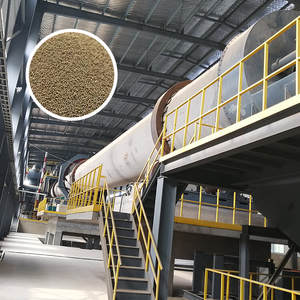
The cornerstones are limestone and clay. They are warmed really hot in a kiln. This makes clinker. Gypsum is included in the clinker. The plaster regulates just how fast the cement sets. The entire mix is ground right into a fine powder. That powder is Rose city cement.
Excellence matters a great deal. Better concrete powder reacts quicker with water. It makes stronger concrete beforehand. Yet extremely great cement can get too warm too quickly. Concrete excellence is determined by just how much passes through a fine filter. It is likewise determined by area.
Setting time is critical. Building contractors need adequate time to position concrete. The concrete has to not harden as well swiftly. First collection offers time for mixing and putting. Final collection implies it has actually solidified enough. Typical tests inspect these times. The tests use an unique needle in cement paste.
Strength is essential. Cement strength is gauged in compression. Tests make use of cement mortar cubes. They are squashed after details ages. Usual test ages are 3 days, 7 days, and 28 days. The 28-day toughness is commonly the main rating. Higher toughness cement is offered.
Warmth generation occurs when cement and water mix. Some tasks need low warmth cement. This is very important for large concrete frameworks. Thick concrete can crack from way too much warm. Reduced warm cement creates much less warmth during setting.
Stability means the concrete stays secure. Unsound cement can crack or crumble after solidifying. This is bad. The autoclave test checks for strength. It reveals cement paste to steam stress. Excellent cement passes this test without fracturing.
Applications of PORTLAND CEMENT
Portland cement is one of the most usual concrete kind. Building contractors utilize it anywhere. It makes strong concrete when combined with water, sand, and gravel. This concrete is the backbone of modern-day building. You discover it in developing foundations. These structures sustain the whole framework. They need to be strong. Rose city cement concrete does that job well. Contractors pour it for slabs and floors inside homes and manufacturing facilities. These surfaces manage day-to-day damage. They need to be sturdy. This cement offers that stamina. Architectural elements rely on it also. Consider beam of lights and columns. These components stand up structures. They carry heavy loads. Rose city cement concrete is strong sufficient for this. Roadways and pavements require tough products. Rose city cement concrete is used below. It creates driveways, highways, and flight terminal paths. These surfaces encounter continuous traffic and weather condition. The concrete helps them last. Mortar is an additional crucial use. Masons mix Rose city concrete with sand and water. They use this mortar to bind blocks or blocks together. It holds wall surfaces securely. Plaster and stucco also use this cement. Employees use it to wall surfaces and ceilings. It offers a smooth or distinctive surface. This secures the surface areas below. It likewise improves the building’s appearance. Precast concrete products are made with Rose city cement. Factories create things like pipelines, obstructs, and panels. These things are formed off-site. Builders then install them swiftly. This conserves time on the construction site. Some specialized applications exist too. Portland cement helps grouting. Building contractors pump it right into spaces or around supports. This fills up spaces and includes toughness. Soil stablizing in some cases utilizes it. It can assist firm up loose ground before structure. Portland concrete is vital for infrastructure. Bridges, dams, and tunnels need its toughness. These structures face huge pressures. The concrete assists them stay intact. Water storage tanks and pipelines frequently have it. The material is generally immune to water. This makes it suitable for holding liquids. Its flexibility is unmatched. Home builders trust it for numerous tasks. It forms the basis of our developed atmosphere.
Company Profile
We are the global leader in lightweight concrete and advanced engineered foam solutions. Known globally for its commitment to research, innovation, and applied expertise, we have been providing engineered foam solutions since the early 2012’s.
We can supply high-quality concrete admixture and foam concrete related products all over the world.
The company has a professional technical department and quality supervision department, a well-equipped laboratory, and equipped with advanced testing equipment and after-sales customer service center.
If you are interested, please feel free and contact us.
Payment
T/T, Western Union, Paypal, Credit Card etc.
Shipment
By air, by sea, by express, as customers request.
5 FAQs of PORTLAND CEMENT
What is Portland cement? Portland cement is a common building material. It is a fine powder. You mix it with water and sand or gravel. This mixture forms concrete. Portland cement acts as the glue. It binds everything together. It is named after Portland stone. It looks similar.
How does Portland cement harden? Portland cement hardens through a chemical reaction. You add water. This process is called hydration. The cement particles react with the water molecules. They form new compounds. These compounds interlock. They create a hard, solid mass. The reaction needs water. It continues for a long time.
How long does Portland cement take to cure? Portland cement needs time to reach full strength. It gains strength quickly initially. It achieves much strength in the first week. It continues hardening for weeks or months. The curing process depends on temperature and moisture. Keep it damp for the first few days. This helps it cure properly.
What is the difference between cement and concrete? People often confuse cement and concrete. Cement is an ingredient. Concrete is the finished material. Cement is the powder. You combine cement with water, sand, and gravel. This mixture is concrete. Cement binds the sand and gravel. Think of cement like flour. Concrete is like the baked bread.
How fast does Portland cement set? Portland cement begins to stiffen soon after mixing. This initial stiffening is called setting. Setting usually happens within a few hours. It depends on the mix and weather. Hot weather speeds up setting. Cold weather slows it down. Setting allows you to shape the concrete. It is not fully strong yet.