Concrete-mesa | Concrete Admixtures, Tools, and Production Machines

Silicone Molds for Concrete When Building Pavements and Roads Concrete Molds for
PRODUCT PARAMETERS
Description
Overview of Silicone Molds for Concrete When Building Pavements and Roads Concrete Molds for
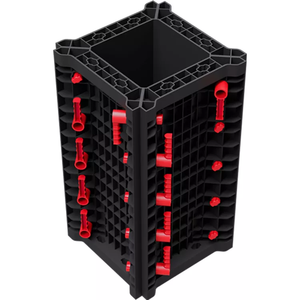
Silicone Molds for Concrete When Building Pavements and Roads Concrete Molds for is essential for shaping concrete into specific forms during construction and manufacturing processes. These molds come in various designs, materials, and sizes to cater to different applications such as decorative elements, structural components, or custom creations. They are commonly used in the production of concrete blocks, paving stones, wall panels, and architectural elements. Available in steel, plastic, silicone, and rubber materials, concrete molds are designed for easy release, providing clean edges and uniform shapes. They are widely used in both large-scale industrial projects and smaller, custom concrete works, offering efficiency, precision, and versatility. By ensuring accurate shapes and smooth finishes, concrete molds help improve production consistency and reduce labor time, making them a valuable tool in construction and manufacturing.
Characteristics of Silicone Molds for Concrete When Building Pavements and Roads Concrete Molds for
High Precision: Concrete molds are crafted with precision to create uniform, accurate shapes, ensuring consistent dimensions and quality in every piece of concrete. This is essential for both structural integrity and aesthetic appeal.
Versatile Designs: Available in various shapes and sizes, concrete molds cater to a wide range of applications, from simple concrete blocks to intricate decorative pieces. Custom molds can also be designed to meet specific project requirements.
Durable Materials: Concrete molds are typically made from robust materials such as steel, plastic, rubber, or silicone, offering strength and durability to withstand the pressure of concrete pouring and curing, ensuring long-term performance.
Easy Release and Cleanliness: Most concrete molds are designed with a non-stick surface or coating, allowing for easy release of the molded concrete without damage. This results in smoother, cleaner finishes and reduces cleanup time.
Reusable: Concrete molds are designed for repeated use, which makes them highly cost-effective for large-scale production runs or ongoing projects. They provide excellent value by reducing the need for new molds with each batch.
Customization Options: Custom concrete molds can be designed to create specific shapes, patterns, or sizes tailored to unique project needs. This flexibility allows for creative and highly specialized concrete products.
Efficient Production: By providing quick and easy molding, concrete molds significantly reduce labor time, increasing production efficiency and allowing for faster project completion.
Consistent Quality: Using molds ensures uniformity in concrete components, reducing variations in shape and size that can occur with manual methods. This leads to more reliable and consistent results.
Cost-Effective: Concrete molds reduce the amount of labor required for shaping and finishing concrete, cutting down on time and labor costs. They also reduce material waste, as they create precise forms and minimize errors during production.
Weather and Chemical Resistance: Depending on the material used, some concrete molds are resistant to harsh weather conditions and chemical exposure, making them suitable for both indoor and outdoor applications, including landscaping, pavements, and structural elements.
Ease of Use: Concrete molds are designed to be user-friendly, allowing for easy setup, pouring, and demolding. This reduces the complexity of the concrete molding process and ensures a smooth workflow for operators.
Enhanced Aesthetic Appeal: When used for decorative purposes, concrete molds help achieve intricate patterns, textures, and shapes, enhancing the visual appeal of architectural elements, garden features, and paving designs.

Specification of Silicone Molds for Concrete When Building Pavements and Roads Concrete Molds for
Silicone molds form concrete for sidewalks and roads. These mold and mildews are made from solid, flexible silicone rubber. The material handles difficult concrete mixes well. It resists tearing and breaking under stress. This sturdiness means the molds last for numerous projects. You conserve cash with time. The molds stand up to severe weather condition also. Warm sunlight or freezing cool won’t damage them easily.
Flexibility is an essential advantage. Concrete sticks to stiff mold and mildews. Silicone bends quickly. You peel off the mold away from the cured concrete piece. This demolding is simple. It occurs quickly. You avoid harming the concrete surface. The style remains sharp and clear. Labor prices go down. Task speed boosts.
The silicone surface area is very smooth. It develops a tidy surface on the concrete. No added texturing work is needed. The mold and mildew releases the concrete normally. You don’t require messy chemical release representatives. This keeps the job website cleaner. It’s more secure for workers also.
These molds duplicate elaborate patterns flawlessly. You get constant outcomes every put. Think rock, brick, or custom-made layouts. The information stay crisp. The mold and mildews are light. Moving them around the job website is simple. Setting them up takes little initiative. Storing them needs very little space. This performance matters on large road work.
Silicone mold and mildews work for lots of concrete items. Utilize them for tipping rocks, edging blocks, or big sidewalk slabs. They deal with different concrete thicknesses. The material stays steady. It does not warp or diminish. Your ended up concrete items fit together correctly. The result is a professional-looking sidewalk or roadway surface area.
Applications of Silicone Molds for Concrete When Building Pavements and Roads Concrete Molds for
Silicone molds for concrete change just how individuals develop sidewalks and roads. These versatile molds develop ornamental surfaces conveniently. Employees press the mold into fresh concrete. This leaves a clear pattern behind. The pattern appears like stone, block, or timber. Individuals utilize these molds on driveways, pathways, outdoor patios, and public plazas. They add appeal to ordinary concrete slabs. The mold and mildews are prominent for home jobs too. DIY lovers make their own stepping rocks or yard paths.
The molds are really strong. Silicone deals with the rough concrete mix well. It doesn’t tear easily. Workers recycle the exact same mold and mildew many times. This saves money over getting great deals of private stamps. The flexibility is vital. Silicone flexes to launch the pattern cleanly. It pulls away from detailed structures without sticking. This keeps the design sharp whenever. Making use of mold and mildews is much faster than hand-carving styles. Workers lay large areas of patterned concrete promptly. This quicken the entire paving work. It decreases labor expenses considerably.
Various mold shapes produce different impacts. Usual options are cobblestone, slate, or herringbone patterns. Some molds make huge floor tile looks. Others create complex geometric designs. Home builders choose the design matching the job. The mold and mildews help both brand-new concrete slabs and resurfacing old ones. They develop a non-slip surface crucial for security on sidewalks. The distinctive surface is less complicated to stroll on than smooth concrete. It includes visual rate of interest to roadsides and city areas. These molds use a sensible method to upgrade normal pavement.
Company Profile
We are the global leader in lightweight concrete and advanced engineered foam solutions. Known globally for its commitment to research, innovation, and applied expertise, we have been providing engineered foam solutions since the early 2012’s.
We can supply high-quality concrete admixture and foam concrete related products all over the world.
The company has a professional technical department and quality supervision department, a well-equipped laboratory, and equipped with advanced testing equipment and after-sales customer service center.
If you are interested, please feel free and contact us.
Payment
T/T, Western Union, Paypal, Credit Card etc.
Shipment
By air, by sea, by express, as customers request.
5 FAQs of Silicone Molds for Concrete When Building Pavements and Roads Concrete Molds for
Use silicone molds for concrete pavements and roads. People ask questions. Here are answers.
What type of silicone mold works best?
Choose heavy-duty silicone. It needs thick walls. Thick walls hold the concrete shape firmly. This prevents bulging. Look for molds labeled industrial or professional grade. Avoid thin craft silicone. It breaks too easily.
Why pick silicone over plastic molds?
Silicone bends easily. You can peel it off cured concrete without damage. Plastic molds are rigid. They often crack the concrete edges during removal. Silicone also copies fine texture details better. This gives a nicer finish. Plus, silicone doesn’t stick to concrete like plastic sometimes does.
How long do these silicone molds actually last?
Good silicone molds last many uses. Expect 50 to 100 pours with proper care. This depends on the concrete mix. Harsh chemicals or sharp stones in the mix wear them out faster. Handle them gently. Avoid dragging them over rough surfaces. Store them flat. Don’t stack heavy things on top.
Do I need mold release spray?
Using release spray helps. Apply a light coat inside the mold before pouring concrete. This makes removal much easier. It stops the concrete from sticking. It also helps the mold last longer. Some people use vegetable oil. Special concrete release sprays work best. Don’t skip this step.
How do I clean the mold after use?
Clean the mold soon after removing the concrete. Don’t let concrete harden inside. Rinse off loose concrete with water immediately. Use a soft brush if needed. Avoid harsh scrubbing or sharp tools. They tear the silicone. Let the mold dry completely before storing it. Keep it out of direct sun when stored. Sunlight weakens silicone over time.