Concrete-mesa | Concrete Admixtures, Tools, and Production Machines

Foaming Agent for Cellular Lightweight Concrete
PRODUCT PARAMETERS
Description
Overview of Foaming Agent for Cellular Lightweight Concrete
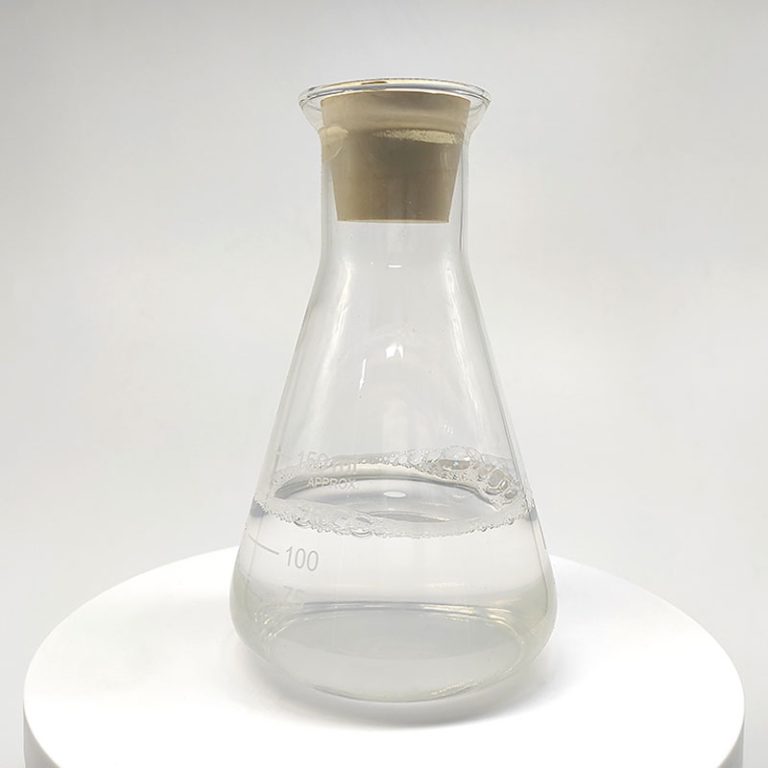
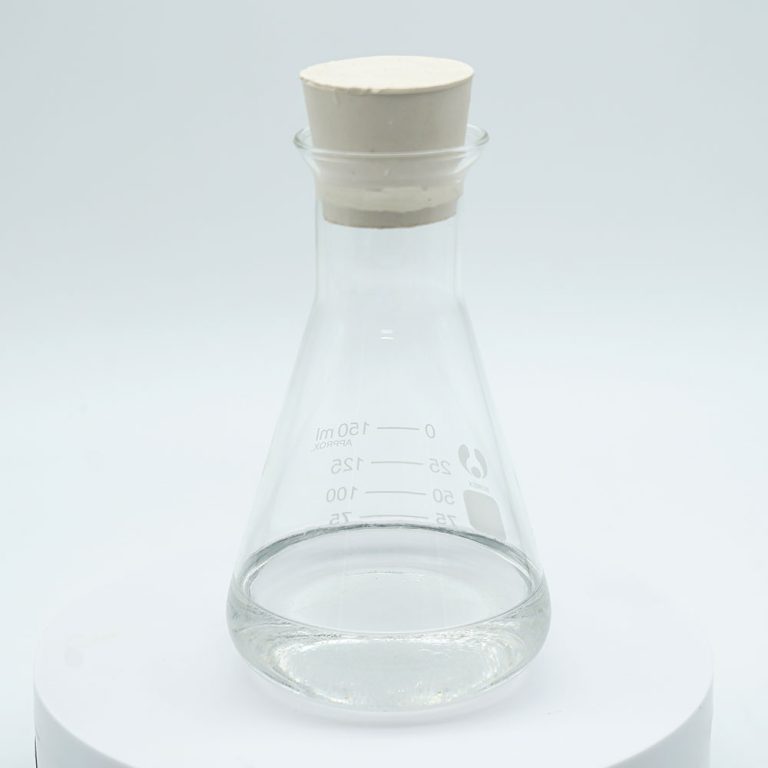
Foaming Agent for Cellular Lightweight Concrete is a surfactant that generates large quantities of uniform, stable foam through physical or chemical means. When this foam is thoroughly mixed with cement-based slurry (cement, fly ash, etc.) and cured naturally or with steam, it forms a novel lightweight material—foam concrete—internally filled with numerous closed air cells.
Features of Foaming Agent for Cellular Lightweight Concrete
1. High Foam Multiplication Ratio: High foam multiplication ratio allows for dilution before use. One kilogram of concentrate generates a large volume of uniform foam, delivering significant cost savings.
2. Strong Foam Stability: Produces resilient, uniformly fine foam walls that resist collapse or breakage. Effectively withstands pressure from cement slurry, ensuring independent and sealed air cells within the finished product.
3. Uniform and Fine Pore Structure: The foam concrete exhibits an ideal internal structure of closed spherical micro-pores, guaranteeing superior physical properties.
4. Low Material Consumption: Achieves equivalent density and strength grades with lower dosage than standard market products, reducing costs.
5. Eco-friendly and safe: Neutral formulation, non-toxic, odorless, and non-corrosive, posing no harm to the environment or human health. Classified as a green building material.
6. Wide adaptability: Excellent compatibility with various cements (including ordinary Portland cement and aluminate cement) and admixtures. Rapid foaming action with extended foam stability.

Specifications of Foaming Agent for Cellular Lightweight Concrete
This foaming agent makes lightweight concrete. It creates stable air bubbles in the mix. This reduces the concrete’s weight significantly. The concrete stays strong enough for building.
The agent comes as a liquid concentrate. You must dilute it with water before use. The dilution ratio is important. Follow the supplier’s instructions exactly. Common ratios range from 1:30 to 1:50 parts agent to water. Use clean water. Dirty water ruins the foam.
Good foam stability is crucial. The bubbles must last during mixing and pouring. They shouldn’t collapse too soon. Stable foam ensures even air pockets throughout the concrete. This gives consistent strength and low density. The agent creates very small bubbles. Fine bubbles make the concrete stronger. Bigger bubbles weaken the structure.
The agent works well with Portland cement. It shouldn’t interfere with cement setting. It must be compatible with common concrete additives. Check this before using other chemicals. The agent itself should not corrode mixing equipment.
Concentrate shelf life matters. Stored properly, it lasts at least 6 months. Keep it in a cool, shaded place. Seal the container tightly. Avoid freezing temperatures. Avoid extreme heat. Proper storage prevents the agent from going bad.
The diluted foam solution is ready for immediate use. Don’t let it sit too long. Use it within a few hours. Old foam solution loses its effectiveness. The agent is generally safe to handle. Wear gloves and eye protection. Avoid skin contact. Avoid breathing mist. Good ventilation is recommended when mixing. The agent is often non-toxic after curing in the concrete. Check the specific product’s safety data sheet. Environmental impact is usually low.
Applications of Foaming Agent for Cellular Lightweight Concrete
Foaming agents make cellular lightweight concrete special. They create many tiny air bubbles inside the concrete mix. This trapped air makes the concrete much lighter than regular concrete. It also changes how the concrete works. Builders use this lightweight concrete in many smart ways.
Its lightness is a big advantage for filling spaces. Workers pump it into old tunnels, unused pipes, or under floors needing support. It flows easily into these tricky spots. It hardens without shrinking much. This makes a strong, stable fill. It saves time and labor compared to other methods.
The air bubbles make this concrete a good heat blocker. Walls made with it keep heat in during winter and out during summer. This improves building energy efficiency. Builders use it for insulating walls, roofs, and floor slabs. It cuts heating and cooling costs.
Its light weight helps structures too. Builders use it for floors and roofs in buildings. It puts less heavy load on the walls and foundations below. This is important for tall buildings or weak ground. It allows for thinner supporting structures. This saves materials and money.
This concrete also fights fire well. It doesn’t burn easily. It protects the steel inside buildings from high heat for longer. This gives people more time to escape a fire. It makes buildings safer.
The air pockets inside also block sound. Walls and floors made with it create quieter rooms. This is useful in homes, offices, and hotels. It reduces noise from neighbors or busy streets.
Building with this concrete can be faster. Its lightness makes it easier to move and place. It often needs less heavy equipment. This speeds up construction. It reduces labor costs. Builders get projects done quicker.
Company Profile
We are the global leader in lightweight concrete and advanced engineered foam solutions. Known globally for its commitment to research, innovation, and applied expertise, we have been providing engineered foam solutions since the early 2012’s.
We can supply high-quality concrete admixture and foam concrete related products all over the world.
The company has a professional technical department and quality supervision department, a well-equipped laboratory, and equipped with advanced testing equipment and after-sales customer service center.
If you are interested, please feel free and contact us.
Payment
T/T, Western Union, Paypal, Credit Card etc.
Shipment
By air, by sea, by express, as customers request.
5 FAQs of Foaming Agent for Cellular Lightweight Concrete
What is a foaming agent for cellular lightweight concrete?
This agent is a special liquid chemical. It creates stable air bubbles when mixed with water. These bubbles form inside the concrete mix. The result is lightweight concrete with many tiny air pockets. This makes the concrete much lighter than regular concrete.
How does the foaming agent work?
You dilute the concentrated liquid agent with water first. Then, you generate foam using a foam generator machine. This foam gets mixed into the cement slurry. The agent’s chemicals stabilize the air bubbles. The bubbles hold their shape during mixing and curing. This creates the lightweight structure.
Why use a foaming agent?
It makes concrete significantly lighter. This reduces the dead load on structures. It provides good thermal insulation properties. It improves workability compared to other lightweight aggregates. It can lower material costs overall. It creates consistent, predictable bubble structures.
How do you use this foaming agent?
First, dilute it correctly with clean water. Use the ratio specified by the manufacturer. Generate foam using a dedicated foam generator. Control the foam density carefully. Then, blend this foam thoroughly into the cement slurry. Mixing time and speed are critical. Follow the supplier’s instructions precisely for best results.
Is the foaming agent safe to handle?
Generally, it is safe when used properly. Wear basic protective gear like gloves and safety glasses. Avoid prolonged skin contact. Work in areas with good ventilation. Rinse skin immediately if contact occurs. Store it away from extreme heat or cold. Keep it out of reach of children.