Concrete4U | Concrete Admixtures, Tools, and Production Machines

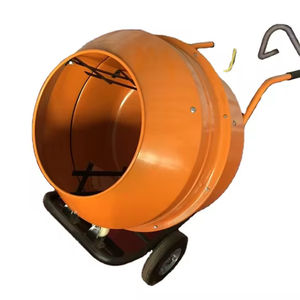
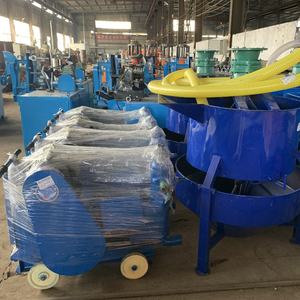
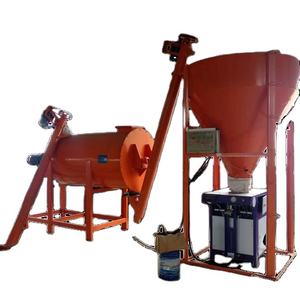
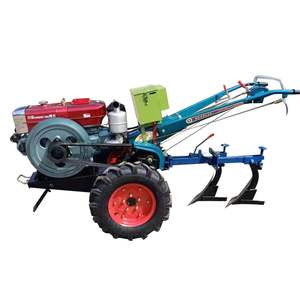
Foam concrete block making machine for clc foam concrete
PRODUCT PARAMETERS
Description
Overview of Foam concrete block making machine for clc foam concrete
Foam concrete block making machine for clc foam concrete is essential tools for surface preparation in construction and renovation projects. They are used to smooth, level, and polish concrete floors by removing imperfections, stains, adhesives, and coatings. With varying sizes and configurations, they cater to different grinding needs, whether for light-duty residential tasks or heavy-duty industrial applications. Equipped with multiple grinding attachments, dust control systems, and adjustable settings, concrete grinders provide a versatile and effective solution for achieving high-quality, durable floor finishes. Available in both manual and electric models, these grinders are designed to deliver superior results, reducing time and labor costs while ensuring the safety and cleanliness of the worksite.
Characteristics of Foam concrete block making machine for clc foam concrete
Efficient Grinding Performance: Concrete grinders are designed for high-speed, efficient grinding and polishing of concrete surfaces, allowing for faster completion of projects while maintaining high-quality finishes.
Versatile Applications: Whether you’re preparing surfaces for new flooring, polishing existing concrete, or removing coatings like epoxy and adhesives, these grinders can handle it all. They are suitable for both residential and commercial use.
Dust-Free Operation: Many concrete grinders come with built-in dust collection systems that capture dust during operation, ensuring a cleaner and safer work environment by reducing airborne particles.
Adjustable Grinding Settings: With customizable settings, operators can adjust the grinder to suit specific surface conditions and desired outcomes, ensuring precision in depth control and uniformity.
Multiple Grinding Attachments: Concrete grinders often feature interchangeable diamond and abrasive discs, providing flexibility to tackle different types of surface work, such as light grinding, heavy grinding, or polishing.
Ergonomic Design: Designed with user comfort in mind, these grinders are equipped with ergonomic handles and adjustable heights, reducing operator fatigue and making it easier to handle during extended use.
Durability and Reliability: Constructed from high-quality, durable materials, concrete grinders are built to withstand the rigors of industrial use, offering long-lasting performance with minimal maintenance.
Compact and Portable: Many models are compact and lightweight, making them easy to transport and maneuver around job sites, even in tight spaces or for small-scale projects.
Safety Features: To ensure safe operation, these grinders include essential safety features such as overload protection, automatic shut-off, and sturdy, non-slip handles, reducing the risk of accidents.
Cost-Effective: With low maintenance requirements and long service life, concrete grinders offer an excellent return on investment, making them a cost-effective solution for contractors and flooring professionals.

Specification of Foam concrete block making machine for clc foam concrete
This foam concrete block making machine makes CLC blocks automatically. It handles the whole process. You get consistent, high-quality blocks every time.
The machine makes a lot of blocks fast. It produces between 10 to 50 cubic meters of foam concrete per hour. This depends on the block density you choose. The machine forms blocks in many sizes. Standard sizes are common, like 24x24x8 inches or 60x60x20 centimeters. Custom sizes are possible too. The machine uses molds to shape the wet foam concrete mix. It holds the shape until the blocks set.
This machine uses a PLC control system. This means it’s easy to run. Workers learn it quickly. The system manages the mixing, foaming agent dosing, and pouring into molds. Accuracy is key for good foam concrete. The machine gets the density right. Blocks come out uniform. This makes building walls faster later.
The machine needs power. It runs on standard industrial electricity, usually 380 volts. The power needed changes with the model size. Bigger machines use more power. The machine itself isn’t tiny. It needs factory space. Its size depends on the output capacity. You need room for the machine, molds, and curing area.
Using this machine saves money. It reduces labor costs significantly. Less waste happens because the mix is precise. You get strong, lightweight blocks good for insulation. The machine runs reliably for years with proper care. It’s built tough for daily use. This machine is essential for serious CLC block production.
Applications of Foam concrete block making machine for clc foam concrete
Foam concrete block making machines build special lightweight blocks. These blocks use CLC foam concrete. CLC means Cellular Lightweight Concrete. The machine mixes cement, water, foam, and sometimes sand. This creates a bubbly, light mixture. The machine pours this mixture into molds. The blocks harden inside the molds. Workers remove the finished blocks later.
Builders use these lightweight blocks for many things. They are perfect for building walls. The blocks are much lighter than regular concrete blocks. This makes building walls faster and easier. Workers handle them easily. Trucks can carry more blocks at once. This saves transport costs. Foundations need less strength too. The blocks are also good insulators. They keep heat inside buildings in winter. They keep heat outside buildings in summer. This saves energy costs for heating and cooling.
These blocks are excellent for filling empty spaces. Builders fill old tunnels or unused pipes. They fill gaps under roads or floors. The lightweight foam concrete flows easily into tight spots. It hardens solidly without putting heavy weight on old structures. It stops water from leaking through these areas too. The blocks are fire resistant. They help stop fires spreading in buildings. They are also good for soundproofing. Walls made from these blocks reduce noise from outside or other rooms. This is useful for houses, offices, and factories.
Repair work often needs these blocks. Builders fix damaged walls or structures. The lightweight blocks put less stress on existing buildings. They are easy to cut and shape on site. This makes fitting them simpler. Landscapers use them too. They build lightweight garden walls or decorative features. The machines make different block sizes and strengths. Builders choose the right block for each job. Using a foam concrete block machine makes construction cheaper, faster, and more efficient.
Company Profile
We are the global leader in lightweight concrete and advanced engineered foam solutions. Known globally for its commitment to research, innovation, and applied expertise, we have been providing engineered foam solutions since the early 2012’s.
We can supply high-quality concrete admixture and foam concrete related products all over the world.
The company has a professional technical department and quality supervision department, a well-equipped laboratory, and equipped with advanced testing equipment and after-sales customer service center.
If you are interested, please feel free and contact us.
Payment
T/T, Western Union, Paypal, Credit Card etc.
Shipment
By air, by sea, by express, as customers request.
5 FAQs of Foam concrete block making machine for clc foam concrete
People have questions about foam concrete block machines. Here are common ones answered.
How does this machine make foam concrete blocks?
It mixes cement, sand, water, and foam agent together. The foam creates tiny air bubbles. This mixture pours into molds. The molds shape the wet mixture into blocks. The blocks then cure and harden.
What materials do I need?
You need cement, sand, and water. You also need a special foam agent. The machine mixes these. Sometimes fly ash is used too. It depends on the block strength needed.
What block sizes can it make?
The machine makes different block sizes. Common sizes are 600x200x100mm or 600x240x150mm. You change the molds. The machine adjusts for different thicknesses easily. You choose the size you need.
How long before blocks are ready?
Fresh blocks need time to harden. They cure for 24 to 48 hours usually. Then you remove them from the molds. They continue drying. Full strength takes about 28 days. Keep them moist during the first week.
Is the machine hard to maintain?
Basic maintenance is simple. Clean the mixing parts daily. Lubricate moving parts regularly. Check hoses and fittings. Follow the manual for oil changes and filter checks. Proper care prevents problems.