Concrete4U | Concrete Admixtures, Tools, and Production Machines

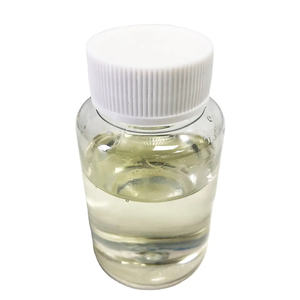
Concrete polycarboxylic acid water reducing agent PCE for premixed concrete
PRODUCT PARAMETERS
Description
Overview of Concrete polycarboxylic acid water reducing agent PCE for premixed concrete
Concrete polycarboxylic acid water reducing agent PCE for premixed concrete represents the third generation of water-reducing agents following lignin and naphthalene-based types, embodying the pinnacle of modern concrete admixture technology. This product employs advanced molecular structure design and is synthesized through polymerization processes, resulting in a high-performance water-reducing agent with a comb-like molecular structure. It achieves dispersion of cement particles through a powerful steric hindrance effect, significantly enhancing concrete’s workability and construction properties. It is the preferred core material for formulating high-performance, high-strength, and high-durability concrete.
Features of Concrete polycarboxylic acid water reducing agent PCE for premixed concrete
1. High Water-Reducing Rate: Achieves up to 40% water reduction, significantly lowering water consumption per unit volume of concrete and providing a solid foundation for producing high-strength and ultra-high-strength concrete (C60 and above).
2. Excellent Slump Retention: Unique slow-release slump retention technology effectively controls slump loss, maintaining good workability and pumpability for 1-2 hours. This meets the demands of long-distance transportation and construction during high-temperature seasons.
3. Low dosage, high efficiency: Compared to traditional water reducers, it requires lower dosage (typically 0.15%-0.3% by weight of cementitious materials) while delivering significant performance, offering superior economic and environmental benefits.
4. Superior Adaptability: Compatible with various cement brands and mineral admixtures (e.g., fly ash, mineral powder, silica fume), effectively addressing common issues like bleeding and segregation in concrete.
5. Green and Eco-Friendly: Free from harmful substances like formaldehyde and nitrites during production, harmless to humans, environmentally friendly, and compliant with green building and sustainable development requirements.
6. Significant Strength Enhancement: Achieves a 10%-15% reduction in cement usage for equivalent strength, or substantially increases concrete strength at all ages with the same cement content.
7. Enhanced Concrete Durability: Effectively lowers chloride diffusion coefficient, reduces shrinkage and creep, and markedly improves concrete impermeability, freeze-thaw resistance, and carbonation resistance, extending structural service life.

Specification of Concrete polycarboxylic acid water reducing agent PCE for premixed concrete
This product is a concrete polycarboxylic acid water reducing agent, called PCE for short. It is a high-performance chemical admixture for premixed concrete. The main purpose is to allow less water in the concrete mix while keeping it easy to work with. This results in stronger, more durable concrete. PCE works differently from older types of water reducers. It uses a specific polymer structure to disperse cement particles effectively. This dispersion stops the cement particles from clumping together too much. Less clumping means the mix flows better without needing extra water. Using less water directly improves the concrete’s final strength. It also reduces porosity, making the concrete denser. A denser concrete is better at resisting water penetration. It also stands up better to freeze-thaw cycles and chemicals. Premixed concrete plants benefit significantly from PCE. It provides reliable water reduction and slump retention over longer periods. Slump retention means the concrete stays workable for the time needed for transport and placement. This predictability helps batch plants manage their production schedules. Builders and contractors appreciate the improved workability it offers. PCE allows for easier pumping, placing, and finishing of the concrete. The high water reduction capability enables the production of high-strength concrete mixes. It also supports the creation of self-consolidating concrete. Self-consolidating concrete flows easily into complex forms without vibration. This admixture is compatible with other common concrete additives like air-entraining agents. Compatibility is important for achieving desired concrete properties. PCE helps optimize mix designs for cost and performance. It contributes to sustainable construction by potentially reducing cement content. Less cement means a lower carbon footprint for the concrete. This product is a key tool for modern concrete production.
Applications of Concrete polycarboxylic acid water reducing agent PCE for premixed concrete
Concrete polycarboxylic acid water reducing agent PCE is a modern chemical admixture. It is widely used in premixed concrete production. This material helps make concrete better. It makes the concrete mix flow more easily without needing extra water. This is very important for premixed concrete. Premixed concrete is made at a factory. It is then delivered to construction sites ready to use. The PCE admixture ensures this concrete stays workable during transport and placing.
Adding PCE to the concrete mix reduces the amount of water needed. This is the main job of a water reducer. Less water in the mix means stronger concrete. The concrete becomes more durable. It also hardens with fewer cracks. Builders get a better final product. The concrete is easier to pump and finish on site. Workers can place it faster. This saves time and labor costs.
PCE also helps the concrete stay fluid for longer. Premixed concrete often travels long distances. The mix must not stiffen too quickly. PCE improves slump retention. This means the concrete keeps its workability. The concrete arrives at the site still easy to use. This reliability is crucial for large projects.
Using PCE can mean using less cement. Achieving the same strength requires less cement when using PCE. This lowers material costs. It is also better for the environment. Less cement production means lower carbon emissions. Factories and contractors like this saving.
The admixture also makes concrete more resistant to weather. It helps fight against freeze-thaw damage. The concrete lasts longer outdoors. This is vital for structures like bridges and roads. Builders get a high-performance material. Premixed concrete producers rely on PCE for consistent quality. It helps them meet tough project specifications. The result is reliable, strong concrete.
Company Profile
We are the global leader in lightweight concrete and advanced engineered foam solutions. Known globally for its commitment to research, innovation, and applied expertise, we have been providing engineered foam solutions since the early 2012’s.
We can supply high-quality concrete admixture and foam concrete related products all over the world.
The company has a professional technical department and quality supervision department, a well-equipped laboratory, and equipped with advanced testing equipment and after-sales customer service center.
If you are interested, please feel free and contact us.
Payment
T/T, Western Union, Paypal, Credit Card etc.
Shipment
By air, by sea, by express, as customers request.
5 FAQs of Concrete polycarboxylic acid water reducing agent PCE for premixed concrete
What is a PCE water reducer for premixed concrete?
It is a chemical admixture. You add it to premixed concrete. It makes the concrete flow better without adding extra water. This type uses polycarboxylic acid technology. It is very effective.
How does PCE work in concrete?
PCE molecules attach to cement particles. This creates a negative charge. The particles repel each other. This breaks up clumps. The cement paste flows more freely. You need less water for the same consistency. This makes the concrete stronger and more durable.
What benefits does PCE offer?
PCE gives high water reduction. This leads to much stronger concrete. It improves workability significantly. The concrete is easier to place and finish. It gives good slump retention. The concrete stays workable longer. It can help reduce shrinkage and cracking. It often allows using less cement. This saves money.
How much PCE should I use?
The right amount depends on many things. Consider your cement type. Look at the aggregate properties. Think about the desired slump and strength. Typical dosages range from 0.1% to 2.0% by weight of cement. Start with the supplier’s recommendation. Adjust based on trial mixes. Test it first.
Is PCE compatible with other admixtures?
PCE generally works well with most other admixtures. These include retarders and air-entrainers. Always check compatibility beforehand. Do small tests. Mixing with some admixtures might cause problems. Problems include less effectiveness or strange setting times. Follow the supplier’s advice.