Concrete4U | Concrete Admixtures, Tools, and Production Machines

Construction Grade RDP/VAE with Film Formation Concrete Additives for Tile Adhesive
PRODUCT PARAMETERS
Description
Overview of Construction Grade RDP/VAE with Film Formation Concrete Additives for Tile Adhesive
Construction Grade RDP/VAE with Film Formation Concrete Additives for Tile Adhesive is chemical compounds added to concrete mixtures to improve various properties of the material, such as workability, strength, durability, and curing time. These additives include plasticizers, retarders, accelerators, waterproofing agents, and air-entraining agents, each designed to meet specific needs in concrete production. Concrete additives are commonly used in both commercial and residential construction, as well as in the production of precast and ready-mix concrete. By enhancing the performance and quality of concrete, these additives help improve the overall efficiency of construction projects while ensuring the durability and longevity of the finished structure. They are easy to incorporate into the mix and provide cost-effective solutions for optimizing concrete properties in a wide range of applications.
Characteristics of Construction Grade RDP/VAE with Film Formation Concrete Additives for Tile Adhesive
Enhanced Strength: Concrete additives can significantly increase the compressive strength of concrete, making it more resilient to pressure and stress. This ensures the longevity and durability of structures, reducing the likelihood of cracking or failure.
Improved Workability: Additives such as plasticizers and superplasticizers improve the flowability and consistency of concrete, making it easier to handle, pour, and finish. This enhances productivity on the construction site and reduces labor costs.
Faster Curing: Accelerators, a type of concrete additive, help speed up the curing process, allowing for quicker setting times and faster completion of projects. This is especially useful in cold weather or when fast-tracking construction timelines.
Increased Durability: Many additives, like water-reducing agents and waterproofing compounds, increase the resistance of concrete to harsh environmental conditions such as freeze-thaw cycles, water ingress, and chemical exposure, ensuring long-term performance.
Better Adhesion and Bonding: Certain additives improve the bonding between the concrete and other materials, such as reinforcing steel or aggregates, enhancing the overall structural integrity and reducing the chances of delamination or separation.
Versatility for Various Applications: Concrete additives are highly versatile and can be used in a wide range of applications, from residential buildings to large-scale infrastructure projects. They are formulated to meet specific needs such as high-strength concrete, self-compacting concrete, or durable concrete for extreme conditions.
Cost-Efficient: By improving the quality and performance of concrete, additives reduce the need for additional maintenance and repairs, leading to significant cost savings in the long term. Additionally, they help optimize the mix design, reducing material waste.
Environmentally Friendly: Many modern concrete additives are formulated with eco-friendly ingredients, contributing to more sustainable construction practices. These additives help minimize the carbon footprint and improve the environmental performance of the concrete.
Enhanced Surface Finish: Additives like air-entraining agents can improve the finish and appearance of concrete by preventing defects like cracking, honeycombing, or surface dusting, ensuring a smooth, professional-grade surface.

Specification of Construction Grade RDP/VAE with Film Formation Concrete Additives for Tile Adhesive
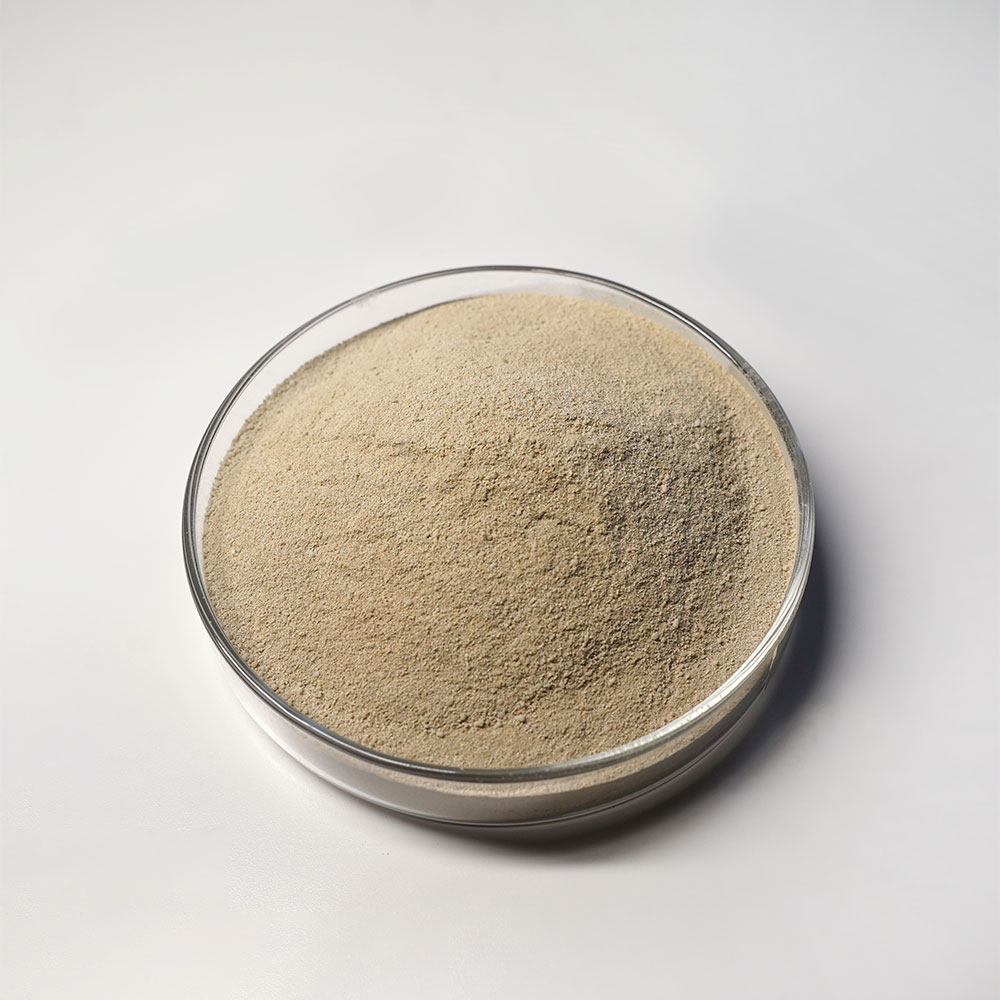
Building quality RDP/VAE powder is essential for tile adhesives. It is a redispersible polymer powder. The powder comes from vinyl acetate ethylene copolymers. Builders utilize it in dry mix mortars. Its major job is to boost the mortar’s efficiency. The powder helps the mortar stick ceramic tiles better. It makes the bond stronger. Water resistance is one more large and also. This powder aids create a movie in the mortar. The film development takes place as the mortar dries. The movie imitates a barrier. This barrier stops water from going through. It shields the sticky beneath. It also safeguards the floor tile.
This RDP/VAE powder provides the adhesive flexibility. Versatility is important. Floor tiles and surface areas relocate slightly occasionally. They expand and contract with temperature adjustments. An inflexible adhesive would certainly crack under this stress and anxiety. Adaptable adhesive remains undamaged. The powder aids stop splits. It makes the adhesive more resilient with time. Building contractors find it much easier to deal with the mortar. The powder boosts workability. The mortar spreads smoothly. It sticks well to the surface area. It sticks well to the tile back. The mix consistency stays great. The mortar doesn’t slump or droop easily.
Including this powder makes tile adhesive much more reputable. It produces a reputable bond. It makes certain tiles stay in area long term. Dampness damages is much less most likely. The movie maintains water out. The adhesive carries out much better in wet locations. Shower rooms and kitchen areas require this security. Exterior tile setups benefit too. Making use of RDP/VAE powder prevails technique. It satisfies sector criteria for top quality. It improves the total performance of ceramic tile adhesive considerably.
Applications of Construction Grade RDP/VAE with Film Formation Concrete Additives for Tile Adhesive
Construction grade RDP and VAE powders are necessary ingredients for contemporary ceramic tile adhesives. These powders combine with cement and sand. They form a flexible, long lasting polymer movie throughout the adhesive. This film formation procedure occurs as the sticky dries. It considerably improves the adhesive’s efficiency. The polymer movie develops a solid bond in between the adhesive and the tile. It likewise bonds well to the substratum beneath. This results in outstanding adhesion stamina. Floor tiles are much less likely to become loosened or fall off.
These additives make the sticky even more versatile. Structures relocate a little in time. Temperature level changes cause expansion and tightening. A flexible adhesive can take in these small activities. It prevents the ceramic tile from breaking. The glue itself remains undamaged. This adaptability is important for huge tiles. It is additionally important for tiles utilized outdoors or on warmed floorings.
The polymer film works as an obstacle against water. It decreases the amount of water the adhesive absorbs. This enhances water resistance substantially. It shields the glue from damaging. It also helps protect against efflorescence spots. Efflorescence is the white, grainy deposit often seen on floor tiles. The movie reduces this issue.
Workability is one more key advantage. Including RDP or VAE makes the glue smoother and simpler to spread. Installers can use it a lot more equally. They can readjust floor tile setting quickly before the adhesive collections. This conserves time and effort on the job website. It additionally makes sure much better insurance coverage under the ceramic tile.
Fracture linking performance is enhanced. Small fractures might establish in the substrate. The flexible polymer film assists the sticky span these fractures. It protects against the crack from moving up right into the ceramic tile surface area. This keeps the tiled area looking great for longer. Making use of these ingredients leads to more reliable installations. It decreases callbacks for fixings.
Company Profile
We are the global leader in lightweight concrete and advanced engineered foam solutions. Known globally for its commitment to research, innovation, and applied expertise, we have been providing engineered foam solutions since the early 2012’s.
We can supply high-quality concrete admixture and foam concrete related products all over the world.
The company has a professional technical department and quality supervision department, a well-equipped laboratory, and equipped with advanced testing equipment and after-sales customer service center.
If you are interested, please feel free and contact us.
Payment
T/T, Western Union, Paypal, Credit Card etc.
Shipment
By air, by sea, by express, as customers request.
5 FAQs of Construction Grade RDP/VAE with Film Formation Concrete Additives for Tile Adhesive
What is RDP/VAE with film formation additive?
RDP/VAE is a special powder added to cement-based tile adhesives. It contains polymer particles. These particles form a continuous film after mixing with water and applying the adhesive. This film significantly improves how well the adhesive sticks to tiles and substrates. It makes the adhesive much tougher.
Why is the film formation property important?
The film formation is crucial. It creates a flexible, waterproof layer within the adhesive. This layer bridges gaps between the cement particles. It bonds everything together tightly. Without this film, the adhesive might be brittle. It could crack easily under stress. The film makes the adhesive much more durable and reliable.
How does this additive benefit tile adhesive application?
This additive makes the adhesive easier to work with. It improves the adhesive’s “open time.” This means you have more time to position tiles correctly before the adhesive sets. It also improves the “slip resistance.” This stops tiles from sliding down after you place them on the wall. The adhesive feels smoother when you trowel it.
Does it help with water resistance?
Yes, it greatly improves water resistance. The polymer film acts like a barrier. This barrier stops water from soaking deep into the adhesive layer. This protection is vital in wet areas like bathrooms and kitchens. It stops tiles from becoming loose over time due to water damage. The adhesive stays strong.
How much additive should be used?
The right amount depends on the specific product and application. Always follow the manufacturer’s instructions precisely. Using too little might not give you the full benefits. Using too much could cause problems. It might affect how the adhesive sets or how long it takes to dry. Check the product data sheet for the recommended dosage.