Concrete-mesa | Concrete Admixtures, Tools, and Production Machines

High-quality Air-entraining Agents Are Used in Concrete
PRODUCT PARAMETERS
Description
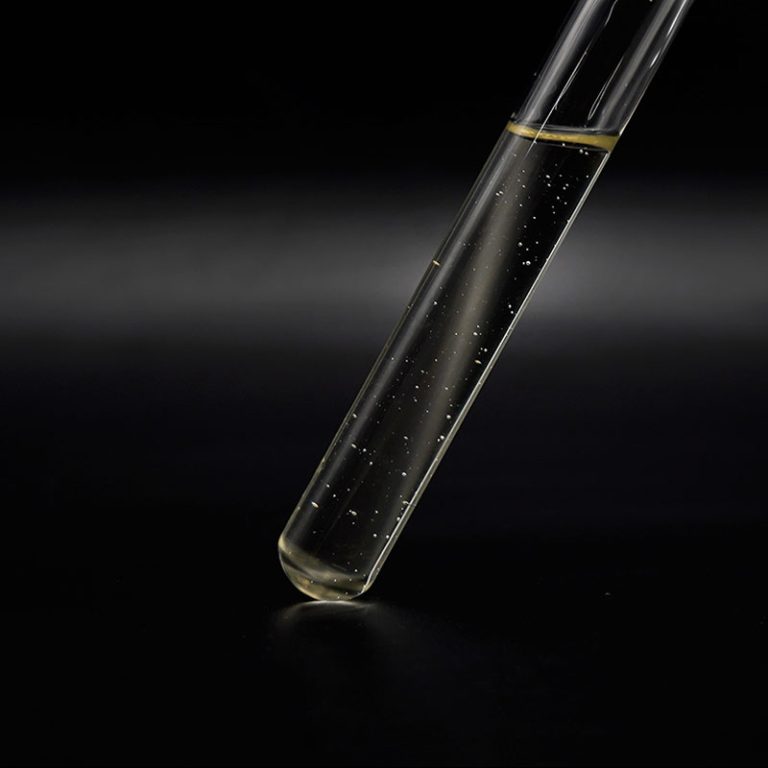
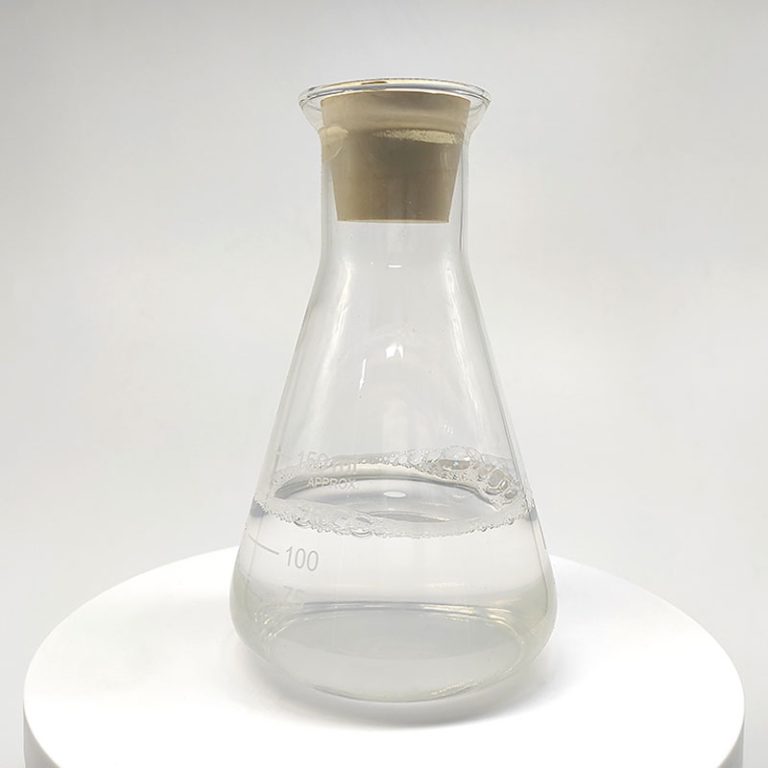
Overview of High-quality Air-entraining Agents Are Used in Concrete
High-quality Air-entraining Agents Are Used in Concrete is a surfactant that generates large quantities of uniform, stable foam through physical or chemical means. When this foam is thoroughly mixed with cement-based slurry (cement, fly ash, etc.) and cured naturally or with steam, it forms a novel lightweight material—foam concrete—internally filled with numerous closed air cells.
Features of High-quality Air-entraining Agents Are Used in Concrete
1. High Foam Multiplication Ratio: High foam multiplication ratio allows for dilution before use. One kilogram of concentrate generates a large volume of uniform foam, delivering significant cost savings.
2. Strong Foam Stability: Produces resilient, uniformly fine foam walls that resist collapse or breakage. Effectively withstands pressure from cement slurry, ensuring independent and sealed air cells within the finished product.
3. Uniform and Fine Pore Structure: The foam concrete exhibits an ideal internal structure of closed spherical micro-pores, guaranteeing superior physical properties.
4. Low Material Consumption: Achieves equivalent density and strength grades with lower dosage than standard market products, reducing costs.
5. Eco-friendly and safe: Neutral formulation, non-toxic, odorless, and non-corrosive, posing no harm to the environment or human health. Classified as a green building material.
6. Wide adaptability: Excellent compatibility with various cements (including ordinary Portland cement and aluminate cement) and admixtures. Rapid foaming action with extended foam stability.

Specifications of High-quality Air-entraining Agents Are Used in Concrete
High-quality air-entraining agents are vital for making strong concrete. These special additives create many tiny air bubbles inside the concrete mix. The bubbles are very small. They are spread out evenly throughout the concrete. This is important. It makes the concrete last longer, especially where it gets cold.
Concrete can crack when water inside it freezes. The water expands when it turns to ice. This puts pressure on the concrete. Tiny air bubbles give the ice a place to expand. This relieves the pressure. It stops the concrete surface from breaking apart. Good air-entraining agents create the right bubble system. This protects the concrete through many freeze and thaw cycles.
Air bubbles help the concrete mix in other ways too. They make the concrete easier to work with. The mix flows better. It is smoother to place and finish. This improved workability helps workers get a good surface. Air bubbles also reduce bleeding and segregation. Bleeding is when water rises to the top. Segregation is when the mix separates. Air bubbles help hold everything together.
Using the right amount of air is crucial. Too little air offers poor freeze-thaw protection. Too much air weakens the concrete strength. High-quality agents give reliable and consistent air content. They work well with different types of cement and other admixtures. They do not cause problems like excessive air loss. Good agents perform predictably batch after batch.
Selecting a high-quality air-entraining agent matters. It ensures the concrete structure will be durable. It saves money on repairs later. Look for agents known for consistent performance. They should create a stable air-void system. This system protects the concrete against harsh weather. It also improves the mix during construction.
Applications of High-quality Air-entraining Agents Are Used in Concrete
High-quality air-entraining agents are important for modern concrete. They create tiny, stable air bubbles inside the mix. These bubbles are very small, like tiny holes. They make concrete much stronger against damage from freezing and thawing. Water expands when it freezes. Without these air bubbles, the freezing water pushes against the concrete. This pushing causes cracks and breaks over time. The bubbles act like little safety valves. They give the freezing water room to expand. This protects the concrete structure. It stops surfaces from crumbling away.
These agents are needed for any concrete exposed to winter weather. Think roads, driveways, sidewalks, and bridges. They are also used in places near the ocean where salt spray happens. Salt can make freeze-thaw damage even worse. Good quality agents make sure the bubbles are the right size and spread evenly. This even spread is crucial. It means the concrete gets protection throughout. Bad agents might make bubbles that are too big or clumped together. Big bubbles weaken the concrete. They don’t protect well.
Using the right amount of air is vital. Too little air won’t give enough protection. Too much air makes the concrete weak. The mix design must be precise. The best agents work reliably with different types of cement and admixtures. They don’t cause problems with setting or strength gain. They help the concrete finish smoothly. This makes placing and finishing easier for workers. You get a better-looking surface.
Builders and engineers rely on these additives. They are standard in many concrete specifications. They ensure structures last longer, especially in tough climates. The cost is small compared to the benefit. It prevents expensive repairs later. Long-lasting concrete saves money. High-quality air-entraining agents are a smart investment for durable construction.
Company Profile
We are the global leader in lightweight concrete and advanced engineered foam solutions. Known globally for its commitment to research, innovation, and applied expertise, we have been providing engineered foam solutions since the early 2012’s.
We can supply high-quality concrete admixture and foam concrete related products all over the world.
The company has a professional technical department and quality supervision department, a well-equipped laboratory, and equipped with advanced testing equipment and after-sales customer service center.
If you are interested, please feel free and contact us.
Payment
T/T, Western Union, Paypal, Credit Card etc.
Shipment
By air, by sea, by express, as customers request.
5 FAQs of High-quality Air-entraining Agents Are Used in Concrete
People ask about air-entraining agents for concrete. Here are common questions.
What are air-entraining agents? They are special ingredients added to concrete mixes. Their job is making tiny air bubbles inside the concrete. These bubbles are very small and spread out evenly.
Why use these agents? The main reason is protecting concrete from freeze-thaw damage. Water trapped inside concrete expands when it freezes. This expansion can crack the concrete. The tiny air bubbles give this expanding water a place to go. This reduces the pressure inside and prevents cracking. The bubbles also help the concrete mix flow better during placement.
How do the agents make bubbles? They work by reducing the surface tension of the water in the mix. This lets air get trapped easily when the concrete is mixed. The agent surrounds the air bubbles and keeps them stable. They stop the bubbles from popping or joining together.
What affects how well the agents work? Several things matter. The type and amount of cement used can change the results. The characteristics of the sand and gravel affect it too. The temperature when mixing and placing the concrete plays a role. The total amount of water in the mix is also important. Good quality agents work well with different mix designs.
How much agent should be used? The right amount depends on the project. It depends on the specific concrete mix design. The expected weather conditions are important. The desired amount of air in the finished concrete matters most. Using too little agent won’t protect the concrete well. Using too much can make the concrete weaker. Always follow the manufacturer’s instructions for dosing. Testing the air content regularly during mixing is crucial.