Concrete4U | Concrete Admixtures, Tools, and Production Machines

Foaming Agent for Foam Concrete, Foaming Agent for Concrete
PRODUCT PARAMETERS
Description
Overview of Foaming Agent for Foam Concrete, Foaming Agent for Concrete
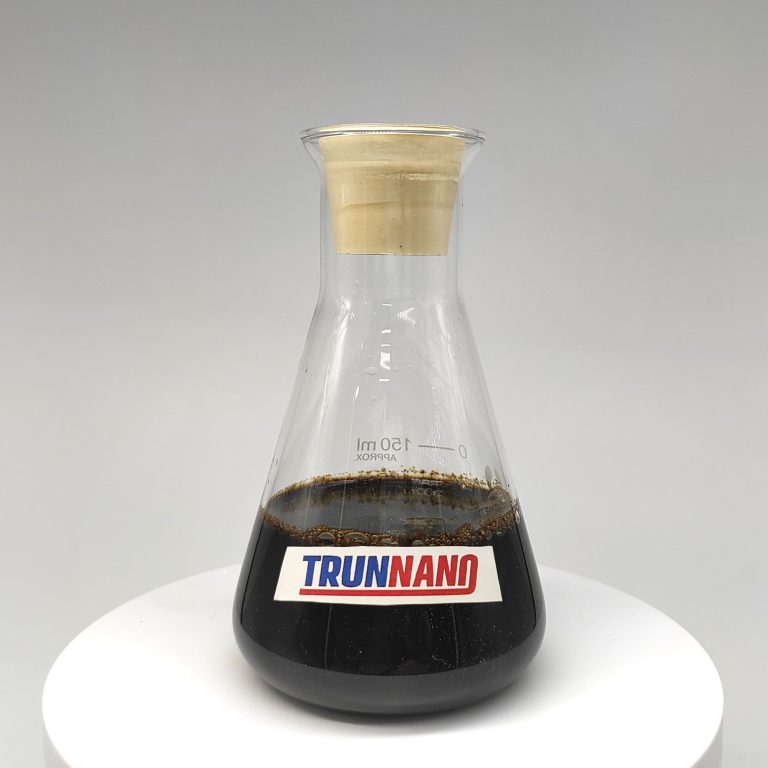
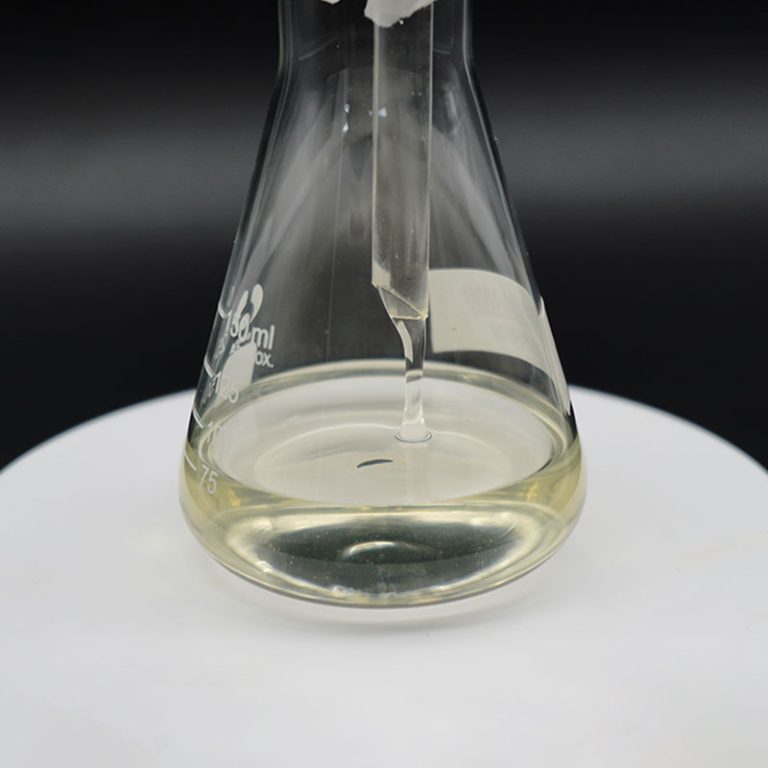
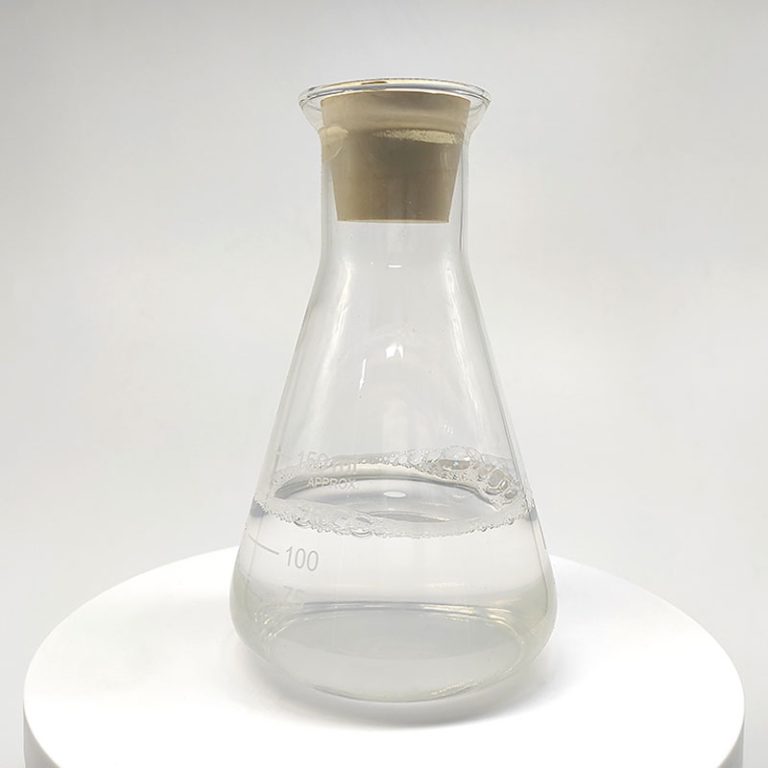
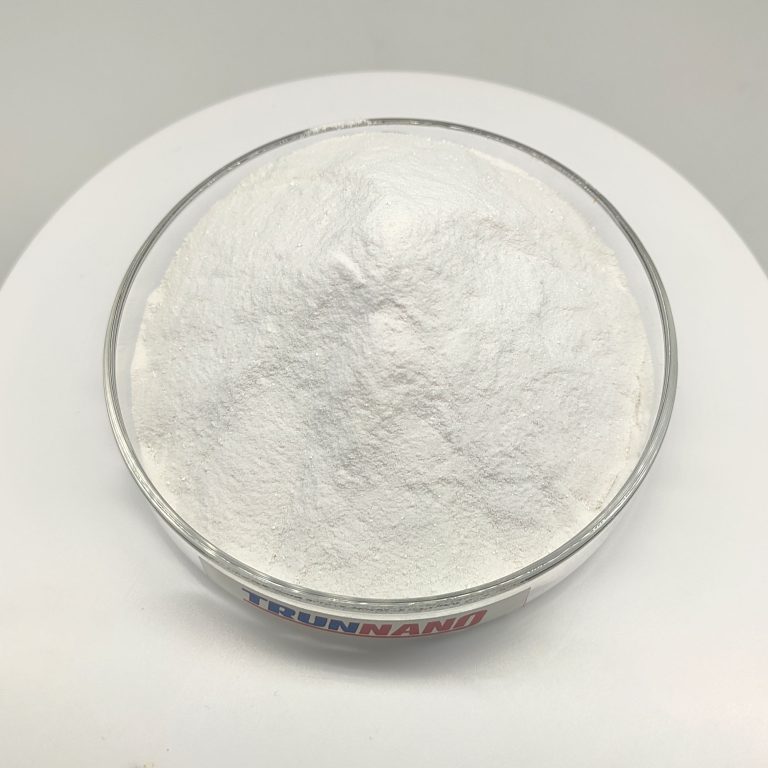
Foaming Agent for Foam Concrete, Foaming Agent for Concrete is a surfactant that generates large quantities of uniform, stable foam through physical or chemical means. When this foam is thoroughly mixed with cement-based slurry (cement, fly ash, etc.) and cured naturally or with steam, it forms a novel lightweight material—foam concrete—internally filled with numerous closed air cells.
Features of Foaming Agent for Foam Concrete, Foaming Agent for Concrete
1. High Foam Multiplication Ratio: High foam multiplication ratio allows for dilution before use. One kilogram of concentrate generates a large volume of uniform foam, delivering significant cost savings.
2. Strong Foam Stability: Produces resilient, uniformly fine foam walls that resist collapse or breakage. Effectively withstands pressure from cement slurry, ensuring independent and sealed air cells within the finished product.
3. Uniform and Fine Pore Structure: The foam concrete exhibits an ideal internal structure of closed spherical micro-pores, guaranteeing superior physical properties.
4. Low Material Consumption: Achieves equivalent density and strength grades with lower dosage than standard market products, reducing costs.
5. Eco-friendly and safe: Neutral formulation, non-toxic, odorless, and non-corrosive, posing no harm to the environment or human health. Classified as a green building material.
6. Wide adaptability: Excellent compatibility with various cements (including ordinary Portland cement and aluminate cement) and admixtures. Rapid foaming action with extended foam stability.

Specifications of Foaming Agent for Foam Concrete, Foaming Agent for Concrete
Foaming agents make foam concrete. They create bubbles in the concrete mix. This makes the concrete lighter. It also gives it good insulation properties. You need the right foaming agent for good results. The agent must be stable. Stable foam lasts longer. It doesn’t collapse easily during mixing and pouring. This is important for consistent quality. The bubble size matters too. Smaller, uniform bubbles are better. They give the concrete more strength. They also make the texture smoother. The agent must mix well with water. It should dissolve quickly and completely. No lumps or separation. This ensures even foam distribution.
Foam concrete density is key. The foaming agent controls this. More foam means lighter concrete. Less foam makes it heavier. You can adjust the density easily. Just use more or less agent. This flexibility is useful for different projects. Some jobs need very light concrete. Others need stronger, slightly denser material. The agent helps achieve the target density accurately. High-quality agents are concentrated. You need only a small amount. This makes them cost-effective. They also store well for long periods. Good agents work with different cement types. They are compatible with Portland cement and others. This avoids problems on site.
The agent must not weaken the concrete. Strong foam means strong concrete. Weak foam leads to poor performance. The final concrete should be durable. It should resist cracking and shrinkage. Proper foaming helps achieve this. Using the wrong agent causes issues. The foam might break too soon. Or the density could be wrong. This wastes materials and time. Choose agents designed specifically for concrete. Household detergents won’t work well. They lack the necessary stability and strength. Always follow the manufacturer’s dosage instructions. Too little agent gives low foam yield. Too much can weaken the mix. Correct usage ensures optimal performance. Good foaming agents make construction easier and more efficient. They produce reliable, lightweight concrete for many applications.
Applications of Foaming Agent for Foam Concrete, Foaming Agent for Concrete
Foaming agents for concrete create air bubbles in the mix. This makes foam concrete. Foam concrete is lightweight. It weighs much less than regular concrete. This is useful for many building jobs. Lightweight concrete reduces the load on structures. Foundations and supporting walls don’t need to be as strong. Builders save money on materials. Transporting and handling foam concrete is easier too. It requires less labor.
Foam concrete provides good insulation. The trapped air pockets resist heat flow. Buildings stay warmer in winter and cooler in summer. Using foam concrete in walls, floors, or roofs cuts energy costs. It keeps indoor temperatures comfortable. Sound travels less easily through foam concrete. The air bubbles absorb noise. This makes foam concrete good for soundproofing. It works well in apartments, offices, and places needing quiet.
Foam concrete flows easily. It fills uneven gaps and hollow spaces perfectly. Builders use it for trench reinstatement. It fills utility trenches after pipes or cables are laid. Foam concrete levels uneven ground under floors. It fills old cellars or unused tunnels. Foam concrete stabilizes weak soil. It provides a firm base for roads or foundations on soft ground. The material sets quickly. Work progresses faster.
Company Profile
We are the global leader in lightweight concrete and advanced engineered foam solutions. Known globally for its commitment to research, innovation, and applied expertise, we have been providing engineered foam solutions since the early 2012’s.
We can supply high-quality concrete admixture and foam concrete related products all over the world.
The company has a professional technical department and quality supervision department, a well-equipped laboratory, and equipped with advanced testing equipment and after-sales customer service center.
If you are interested, please feel free and contact us.
Payment
T/T, Western Union, Paypal, Credit Card etc.
Shipment
By air, by sea, by express, as customers request.
5 FAQs of Foaming Agent for Foam Concrete, Foaming Agent for Concrete
Here are five common questions about foaming agents for foam concrete:
What is a foaming agent for concrete? It is a special liquid. You add it to cement mixtures. This liquid makes lots of tiny bubbles. These bubbles stay inside the concrete when it sets. The bubbles create a light, air-filled concrete.
Why use a foaming agent? The main reason is weight. Foam concrete is much lighter than normal concrete. It helps save building materials. It lowers the load on structures. It also provides good insulation and soundproofing.
How does the foaming agent work? You mix the liquid agent with water and air. This creates a stable foam. You then blend this foam into the cement slurry. The foam spreads tiny air bubbles throughout the mix. These bubbles stay put as the concrete hardens.
What type of foaming agent should I use? There are different kinds. Synthetic agents are common. Protein-based agents are another type. The best choice depends on your project. Consider the strength needed. Think about the density required. Look at the stability of the foam. Check the cost too.
How do I use the foaming agent correctly? Follow the supplier’s instructions exactly. The mixing ratio is crucial. Use clean water. Generate the foam properly first. Then mix the foam thoroughly into the slurry. Get the density right. Proper mixing ensures strong, even foam concrete.