Concrete4U | Concrete Admixtures, Tools, and Production Machines

hpmc for putty and construction mortar iso ground concrete additives hpmc grout
PRODUCT PARAMETERS
Description
Overview of hpmc for putty and construction mortar iso ground concrete additives hpmc grout
hpmc for putty and construction mortar iso ground concrete additives hpmc grout is chemical compounds added to concrete mixtures to improve various properties of the material, such as workability, strength, durability, and curing time. These additives include plasticizers, retarders, accelerators, waterproofing agents, and air-entraining agents, each designed to meet specific needs in concrete production. Concrete additives are commonly used in both commercial and residential construction, as well as in the production of precast and ready-mix concrete. By enhancing the performance and quality of concrete, these additives help improve the overall efficiency of construction projects while ensuring the durability and longevity of the finished structure. They are easy to incorporate into the mix and provide cost-effective solutions for optimizing concrete properties in a wide range of applications.
Characteristics of hpmc for putty and construction mortar iso ground concrete additives hpmc grout
Enhanced Strength: Concrete additives can significantly increase the compressive strength of concrete, making it more resilient to pressure and stress. This ensures the longevity and durability of structures, reducing the likelihood of cracking or failure.
Improved Workability: Additives such as plasticizers and superplasticizers improve the flowability and consistency of concrete, making it easier to handle, pour, and finish. This enhances productivity on the construction site and reduces labor costs.
Faster Curing: Accelerators, a type of concrete additive, help speed up the curing process, allowing for quicker setting times and faster completion of projects. This is especially useful in cold weather or when fast-tracking construction timelines.
Increased Durability: Many additives, like water-reducing agents and waterproofing compounds, increase the resistance of concrete to harsh environmental conditions such as freeze-thaw cycles, water ingress, and chemical exposure, ensuring long-term performance.
Better Adhesion and Bonding: Certain additives improve the bonding between the concrete and other materials, such as reinforcing steel or aggregates, enhancing the overall structural integrity and reducing the chances of delamination or separation.
Versatility for Various Applications: Concrete additives are highly versatile and can be used in a wide range of applications, from residential buildings to large-scale infrastructure projects. They are formulated to meet specific needs such as high-strength concrete, self-compacting concrete, or durable concrete for extreme conditions.
Cost-Efficient: By improving the quality and performance of concrete, additives reduce the need for additional maintenance and repairs, leading to significant cost savings in the long term. Additionally, they help optimize the mix design, reducing material waste.
Environmentally Friendly: Many modern concrete additives are formulated with eco-friendly ingredients, contributing to more sustainable construction practices. These additives help minimize the carbon footprint and improve the environmental performance of the concrete.
Enhanced Surface Finish: Additives like air-entraining agents can improve the finish and appearance of concrete by preventing defects like cracking, honeycombing, or surface dusting, ensuring a smooth, professional-grade surface.

Specification of hpmc for putty and construction mortar iso ground concrete additives hpmc grout
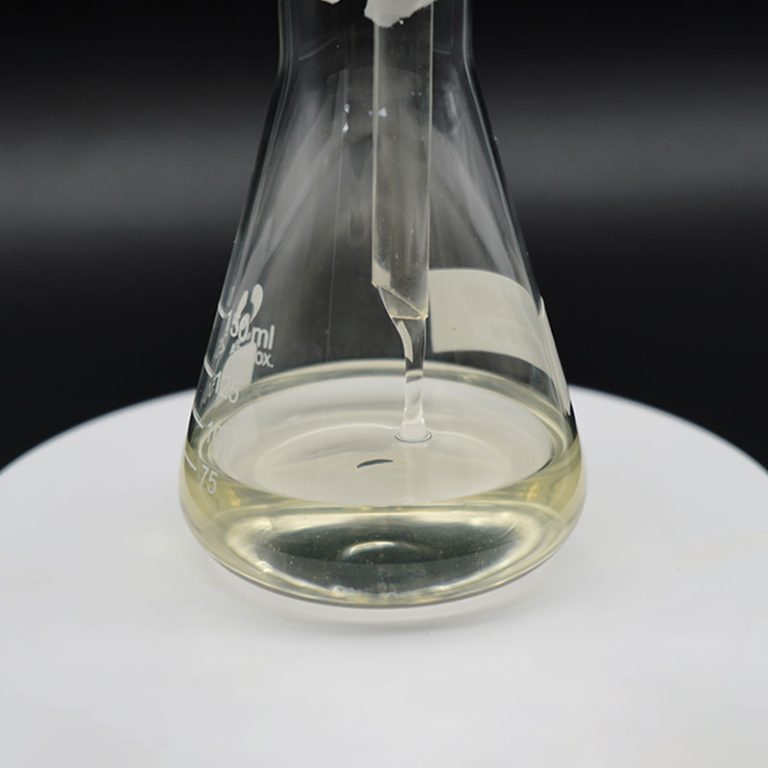
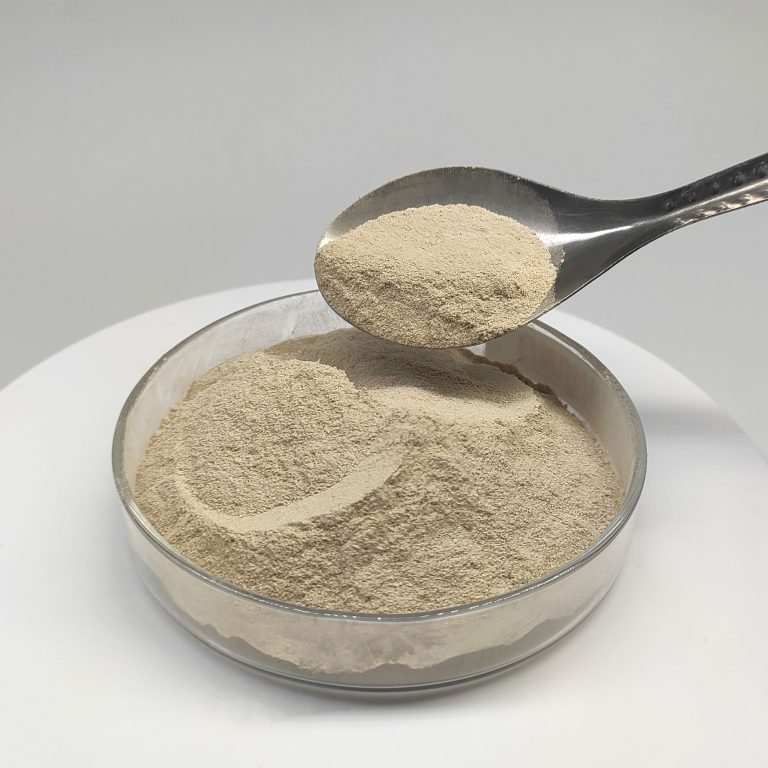
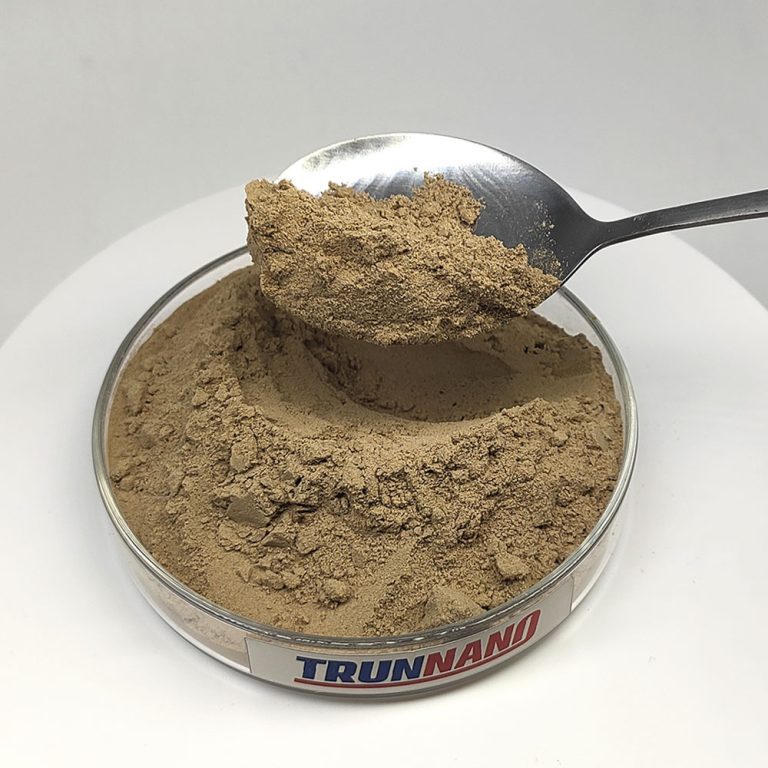
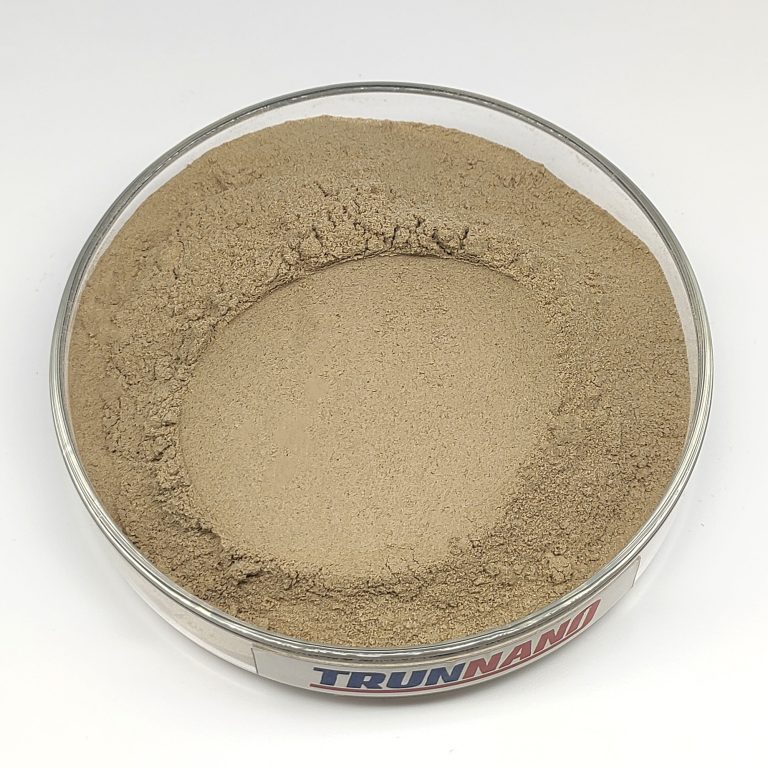
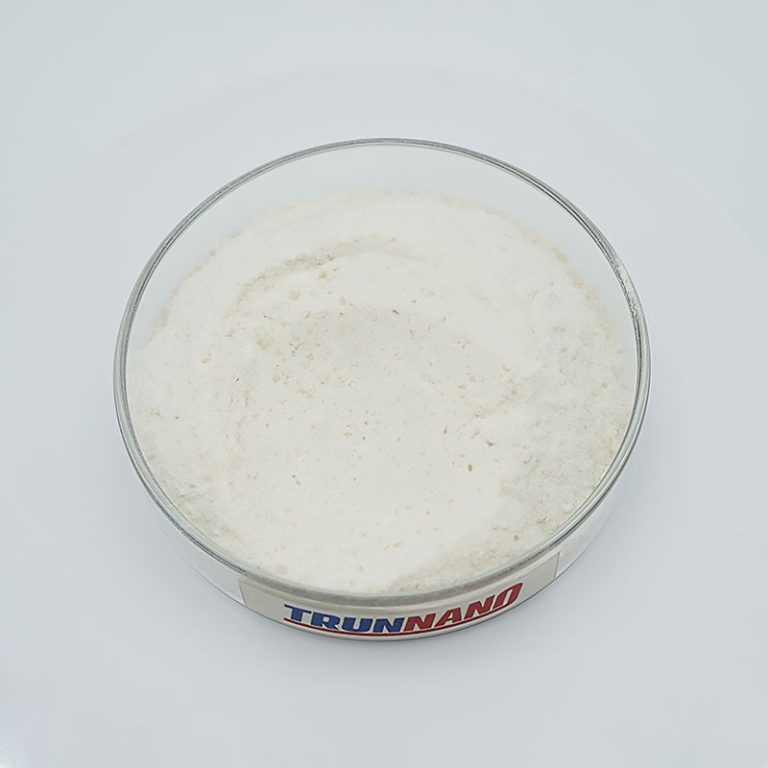
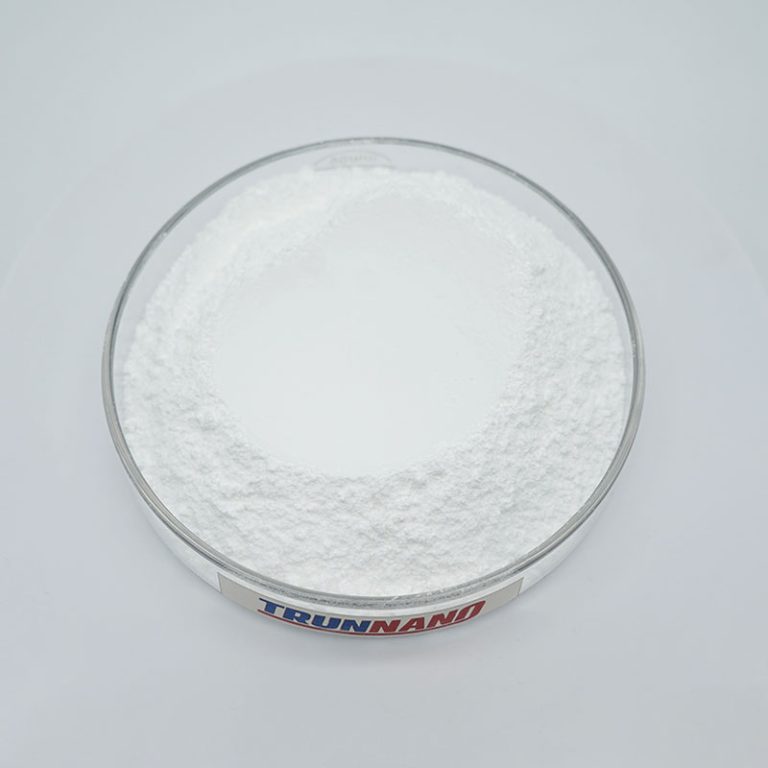
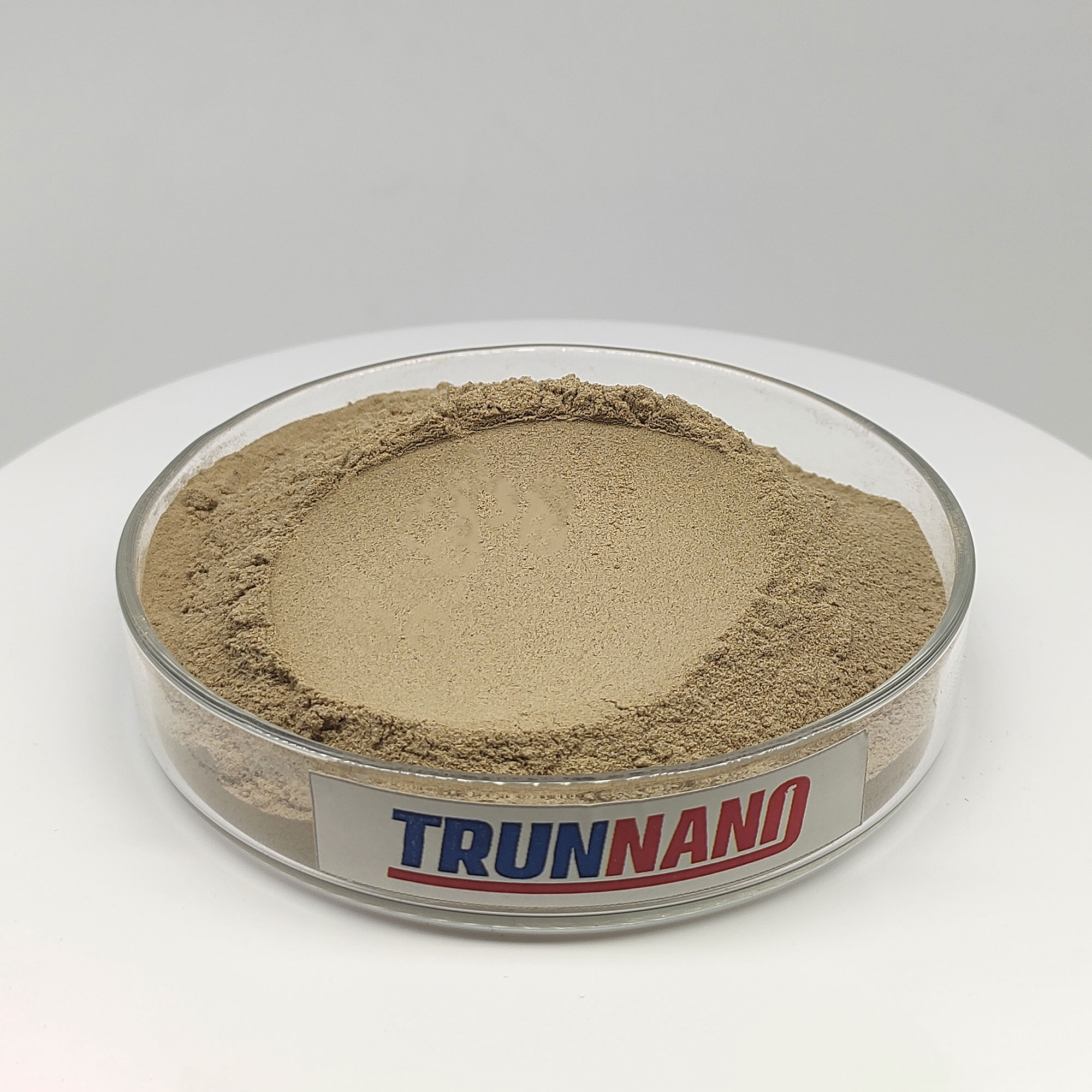
HPMC means Hydroxypropyl Methylcellulose. It is a typical additive in building products. Building contractors utilize it in putty and mortar. It assists concrete and grout too. HPMC makes these materials work much better. It enhances exactly how they manage and perform.
In putty, HPMC is very helpful. Putty needs to spread out conveniently. It must stick well to wall surfaces. HPMC gives putty excellent workability. This suggests it’s easy to apply. The putty does not dry too quick. HPMC holds water. This prevents splits later on. The putty bonds strongly to surfaces. It remains smooth after drying out.
For building and construction mortar, HPMC is essential. Mortar holds bricks together. It requires to remain damp long enough. HPMC maintains the mortar moist. Workers have even more time to readjust bricks. The mortar remains strong. It doesn’t shed water to the blocks. The last wall is solid. HPMC reduces dirt too.
Concrete ingredients commonly include HPMC. ISO requirements apply here. HPMC boosts the concrete mix. It makes the concrete less complicated to place. The mix flows better right into types. Air bubbles getaway much more quickly. This leads to a denser concrete. It aids the concrete remedy uniformly. Breaking is much less likely.
Cement benefits from HPMC. Grout fills up gaps in between ceramic tiles. It needs to resist shrinking. HPMC stops the cement from retreating. The grout does not drop down. It stays where it’s placed. HPMC gives grout a smooth surface. It helps the grout adhere to tiles well.
Applications of hpmc for putty and construction mortar iso ground concrete additives hpmc grout
HPMC is an essential additive in many building and construction products. Builders utilize it every day. It makes materials work much better and last much longer. Let’s consider where it aids most.
Tile adhesives require HPMC. It helps the glue keep the tile and the wall. It keeps the glue damp longer. This gives workers even more time to place floor tiles flawlessly. The adhesive doesn’t dry too fast. This implies fewer problems later. More powerful bonds occur.
Putty advantages a lot from HPMC. Putty is used to smooth walls. HPMC makes it easy to spread out. It stops the putty from fracturing as it dries. The surface looks smoother. Workers can use it very finely. It sticks well and dries out evenly. This conserves time dealing with troubles.
Grout needs HPMC also. Cement fills the voids in between ceramic tiles. HPMC helps the grout circulation smoothly into these spaces. It stops water from leaving the cement mix too swiftly. This quits the grout from diminishing or cracking later on. The completed joints look excellent and stay strong.
Concrete additives usually include HPMC. Concrete can lose water quickly. This damages it. HPMC holds water in the concrete mix much longer. This enables the concrete to heal correctly. It gets full strength. The surface coating is additionally smoother. Splits are less most likely. Building contractors improve results.
Company Profile
We are the global leader in lightweight concrete and advanced engineered foam solutions. Known globally for its commitment to research, innovation, and applied expertise, we have been providing engineered foam solutions since the early 2012’s.
We can supply high-quality concrete admixture and foam concrete related products all over the world.
The company has a professional technical department and quality supervision department, a well-equipped laboratory, and equipped with advanced testing equipment and after-sales customer service center.
If you are interested, please feel free and contact us.
Payment
T/T, Western Union, Paypal, Credit Card etc.
Shipment
By air, by sea, by express, as customers request.
5 FAQs of hpmc for putty and construction mortar iso ground concrete additives hpmc grout
People often ask about HPMC for construction materials. What is HPMC? HPMC stands for Hydroxypropyl Methylcellulose. It’s a powder you mix into putties, mortars, and grouts. It makes these materials work better. Builders use it a lot.
Why use HPMC in putty and mortar? HPMC keeps water inside the mix longer. This is very important. It lets the cement hydrate fully. Good hydration means stronger bonds form. The material gets harder. It also stops the mix from drying too fast. This prevents cracks later.
How does HPMC affect the mix? Adding HPMC makes the paste thicker. It sticks better to walls and tools. This improves workability. You can spread it easily. It stays where you put it. It doesn’t slump or drip off the trowel. This saves time and material.
Does HPMC help prevent cracking? Yes, it really helps. Good water retention is key. The material sets slowly and evenly. This reduces shrinkage stress. Less stress means fewer cracks appear. It makes surfaces smoother and more durable. This is crucial for a good finish.
How much HPMC should I add? The right amount depends. It depends on the specific product and job. Always follow the manufacturer’s instructions. Using too little won’t help much. Using too much can cause problems. It might make drying too slow. Start with the recommended dosage. Adjust only if you know what you’re doing.