Concrete-mesa | Concrete Admixtures, Tools, and Production Machines

Concrete Foaming Agent
PRODUCT PARAMETERS
Description
Overview of Concrete Foaming Agent
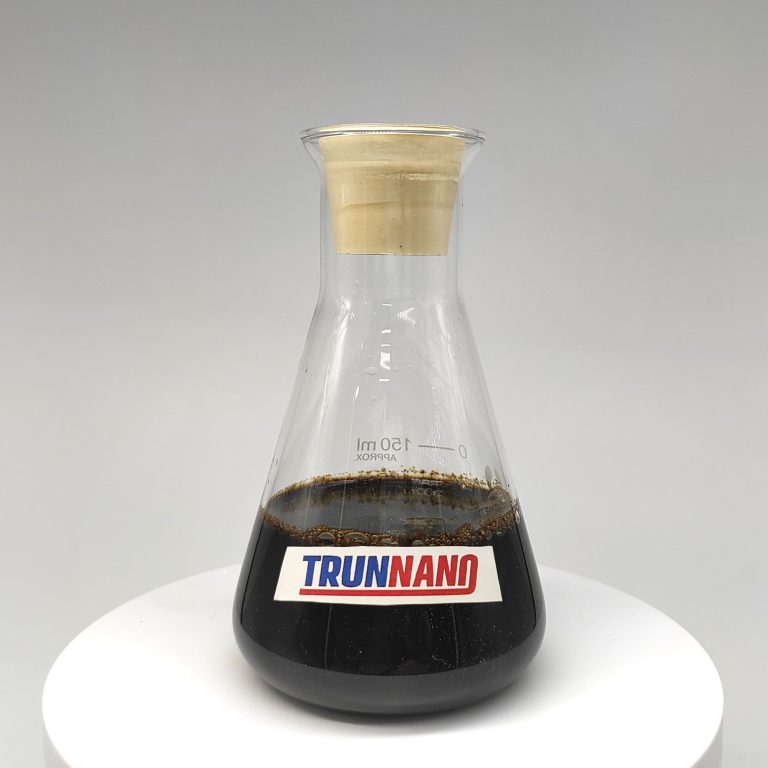
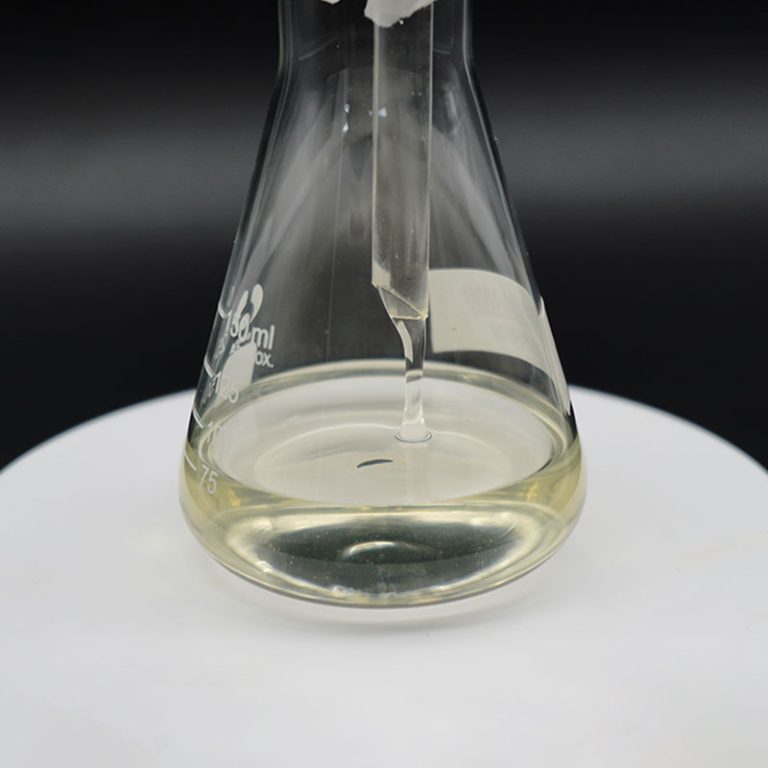
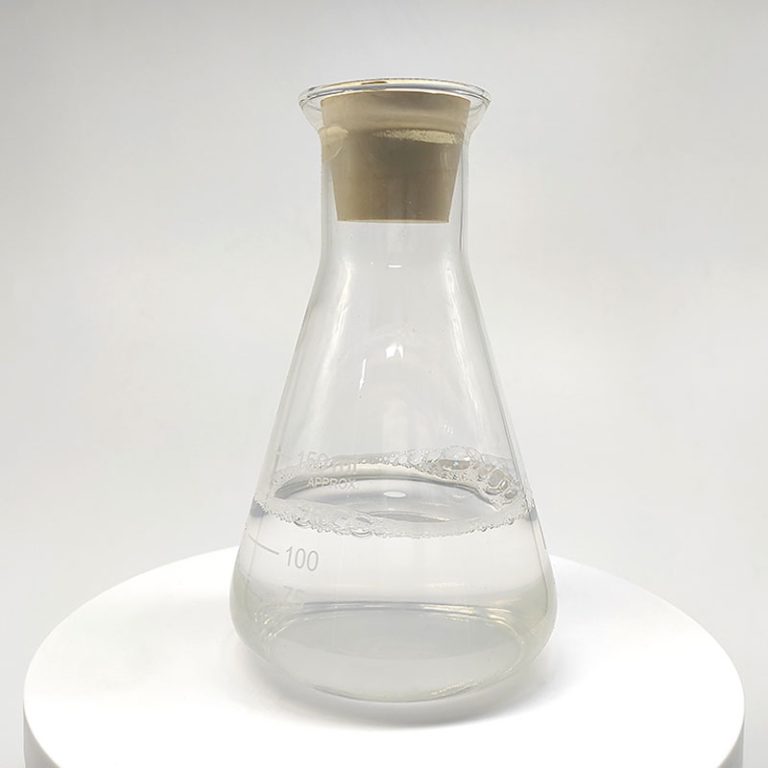
Concrete Foaming Agent is a surfactant that generates large quantities of uniform, stable foam through physical or chemical means. When this foam is thoroughly mixed with cement-based slurry (cement, fly ash, etc.) and cured naturally or with steam, it forms a novel lightweight material—foam concrete—internally filled with numerous closed air cells.
Features of Concrete Foaming Agent
1. High Foam Multiplication Ratio: High foam multiplication ratio allows for dilution before use. One kilogram of concentrate generates a large volume of uniform foam, delivering significant cost savings.
2. Strong Foam Stability: Produces resilient, uniformly fine foam walls that resist collapse or breakage. Effectively withstands pressure from cement slurry, ensuring independent and sealed air cells within the finished product.
3. Uniform and Fine Pore Structure: The foam concrete exhibits an ideal internal structure of closed spherical micro-pores, guaranteeing superior physical properties.
4. Low Material Consumption: Achieves equivalent density and strength grades with lower dosage than standard market products, reducing costs.
5. Eco-friendly and safe: Neutral formulation, non-toxic, odorless, and non-corrosive, posing no harm to the environment or human health. Classified as a green building material.
6. Wide adaptability: Excellent compatibility with various cements (including ordinary Portland cement and aluminate cement) and admixtures. Rapid foaming action with extended foam stability.

Specifications of Concrete Foaming Agent
Concrete frothing agents make light-weight concrete. They produce little air bubbles in the mix. This foam makes the concrete lighter and boosts insulation. Great foam representatives provide stable, also bubbles.
The representative comes as a fluid concentrate. You dilute it with water before use. The dilution proportion is necessary. Adhere to the manufacturer’s guidelines very closely. This guarantees the right foam top quality. Typical proportions are in between 1:30 and 1:50. Inspect the item tag.
Foam security is crucial. Stable foam lasts longer throughout blending and pouring. It stops bubbles from collapsing ahead of time. Good stability implies regular concrete density. Thickness control is a crucial requirements. The representative helps achieve certain target densities. These are often between 400 kg/m five and 1600 kg/m three. The representative’s performance chooses this array.
Foam expansion ratio matters also. It shows how much foam quantity you obtain from the liquid. Higher proportions usually indicate far better effectiveness. However security needs to stay excellent. The agent should collaborate with various cement kinds. It should also collaborate with numerous admixtures. Compatibility screening is necessary.
Check out the agent’s composition. Numerous modern-day agents are protein-based or synthetic. Artificial types usually offer better control. They resist adjustments in water temperature level. Protein-based agents are all-natural. Some individuals choose this. Check for ecological qualifications. Numerous representatives are currently alkaline-free. This makes them safer to deal with.
The agent must be simple to dosage. Constant dosing provides consistent outcomes. Use the recommended devices. Foam generators are common. They blend air, water, and agent properly. Storage space life is one more factor. Many agents last regarding 6 to twelve month. Maintain them in an amazing, dry location. Prevent freezing.
Performance in winter matters. Some agents work better than others in low temperatures. Inspect this if you function outdoors. Final concrete strength depends on the foam. Good representatives preserve stamina in spite of the air bubbles. They enhance the bubble structure. This provides the needed compressive stamina. Adhere to the technical data sheet. It supplies all certain values.
Applications of Concrete Foaming Agent
Concrete lathering agents alter exactly how we make concrete. They develop little air bubbles inside the concrete mix. This makes the concrete lighter. Lightweight concrete has lots of good usages.
One big use is for insulation. The trapped air pockets quit warmth from moving conveniently. Builders use this foam concrete in wall surfaces and floors. It helps keep buildings cozy in winter months and cool in summer season. This conserves power.
Light-weight concrete is also terrific for minimizing weight. Home builders need this on weak soils or for including floorings to old structures. It makes the whole framework lighter. Foam concrete jobs well for large flooring areas. It lowers the tons on beam of lights and columns.
Soundproofing is another crucial benefit. The air bubbles absorb acoustic waves. Foam concrete helps block noise in wall surfaces and ceilings. It makes homes and offices quieter areas.
Fire resistance is important too. Foam concrete manages fire well. It does not ignite easily. Contractors use it in wall surfaces and frameworks requiring fire protection. It includes safety.
Loading spaces is a functional application. Builders pump foam concrete into voids and trenches. It fills up spaces conveniently without hefty machinery. This serves for pipeline trenches and old mine websites. The material streams well and sets solid.
Company Profile
We are the global leader in lightweight concrete and advanced engineered foam solutions. Known globally for its commitment to research, innovation, and applied expertise, we have been providing engineered foam solutions since the early 2012’s.
We can supply high-quality concrete admixture and foam concrete related products all over the world.
The company has a professional technical department and quality supervision department, a well-equipped laboratory, and equipped with advanced testing equipment and after-sales customer service center.
If you are interested, please feel free and contact us.
Payment
T/T, Western Union, Paypal, Credit Card etc.
Shipment
By air, by sea, by express, as customers request.
5 FAQs of Concrete Foaming Agent
What is a concrete foaming agent?
A concrete foaming agent is a special liquid or powder. It helps make tiny air bubbles inside concrete when you mix it. You add it to your concrete mix. These bubbles make the concrete lighter. They also make it better at keeping heat in or out.
How does the foaming agent work?
The agent works by creating foam. You mix it with water and air. This makes lots of stable bubbles. You then blend this foam into your cement, sand, and water mix. The bubbles get trapped as the concrete hardens. This makes the concrete lighter. It also gives it good insulating properties.
What are the benefits of using foaming agents?
Using a foaming agent has several advantages. It reduces the weight of concrete structures. This makes building easier. Lighter concrete means less load on foundations. It also improves thermal insulation. Buildings stay warmer in winter and cooler in summer. It saves on heating and cooling costs.
How do you use a concrete foaming agent?
Using a foaming agent is straightforward. First, you dilute it with water. The exact ratio depends on the product. Then you create foam using a special machine. This machine blows air into the mixture. Next, you add this foam to your concrete mixture while mixing. Mix thoroughly. Finally, pour and shape the lightweight concrete as needed.
Are foaming agents safe to handle?
Foaming agents are generally safe for trained people. But you need to take precautions. Always wear gloves and eye protection. Avoid skin contact. Avoid breathing in mist. Some products can irritate skin or eyes. Work in well-ventilated areas. Follow the safety instructions on the product label. Store it correctly.