Concrete-mesa | Concrete Admixtures, Tools, and Production Machines

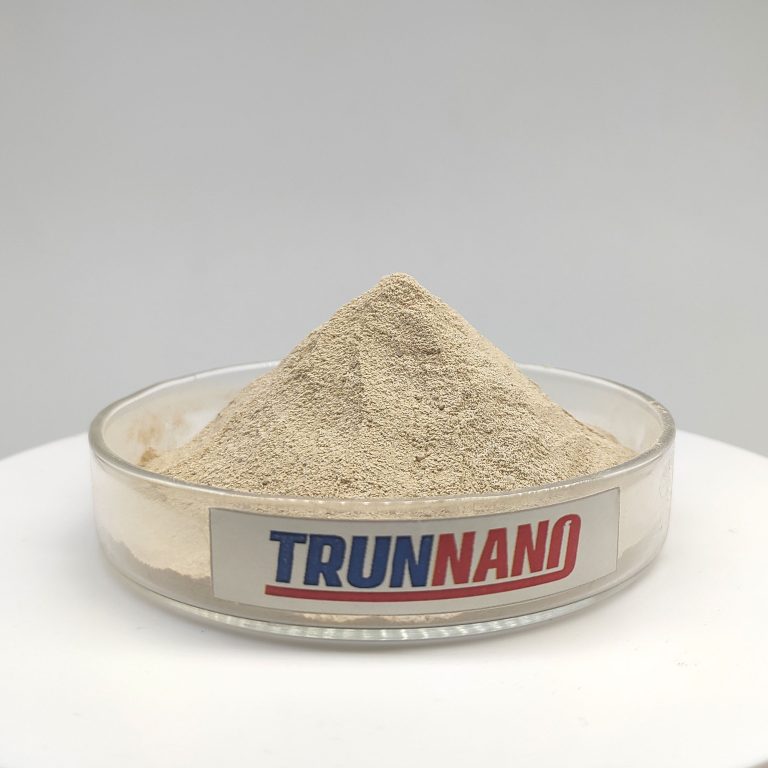
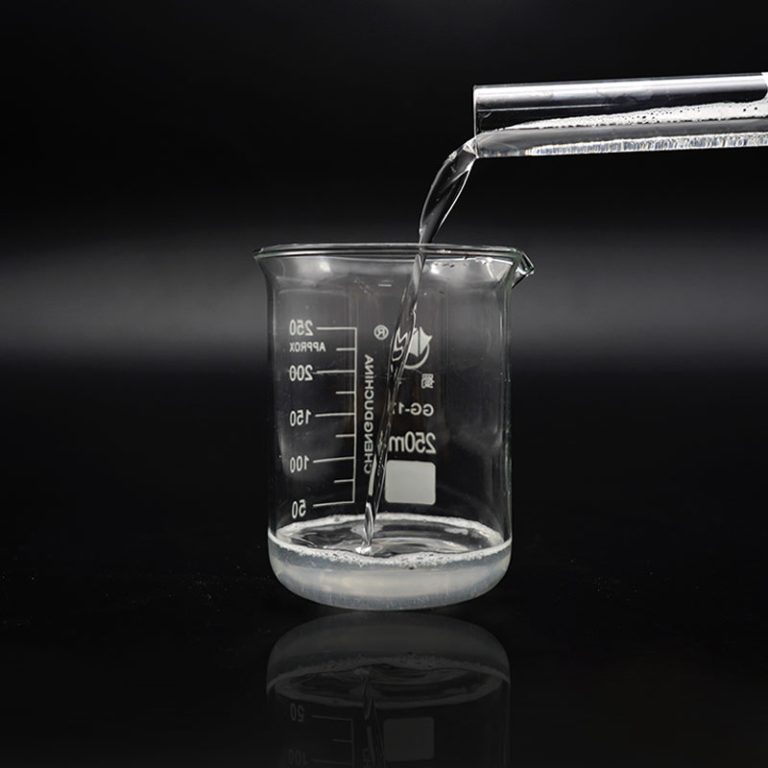
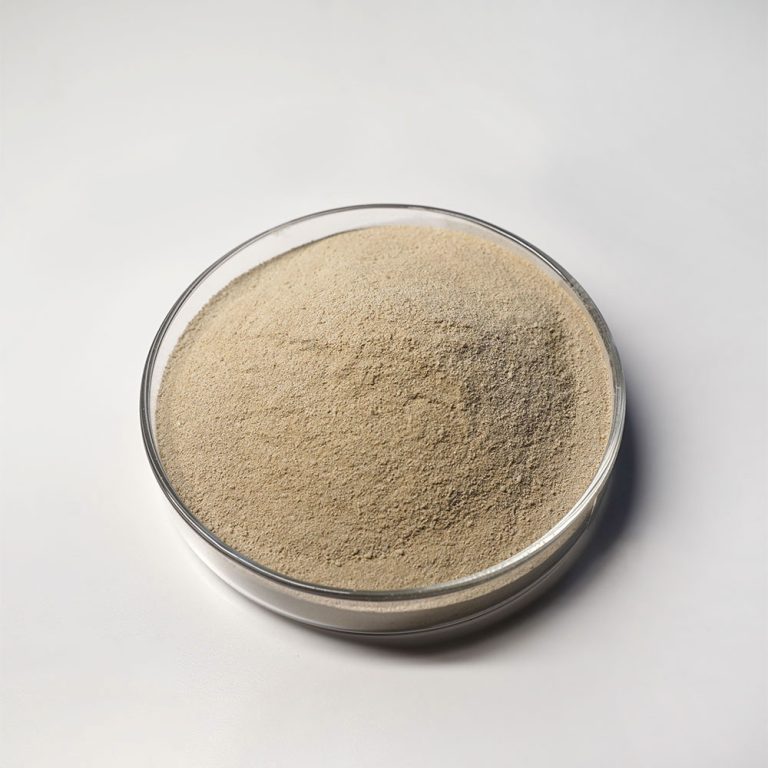
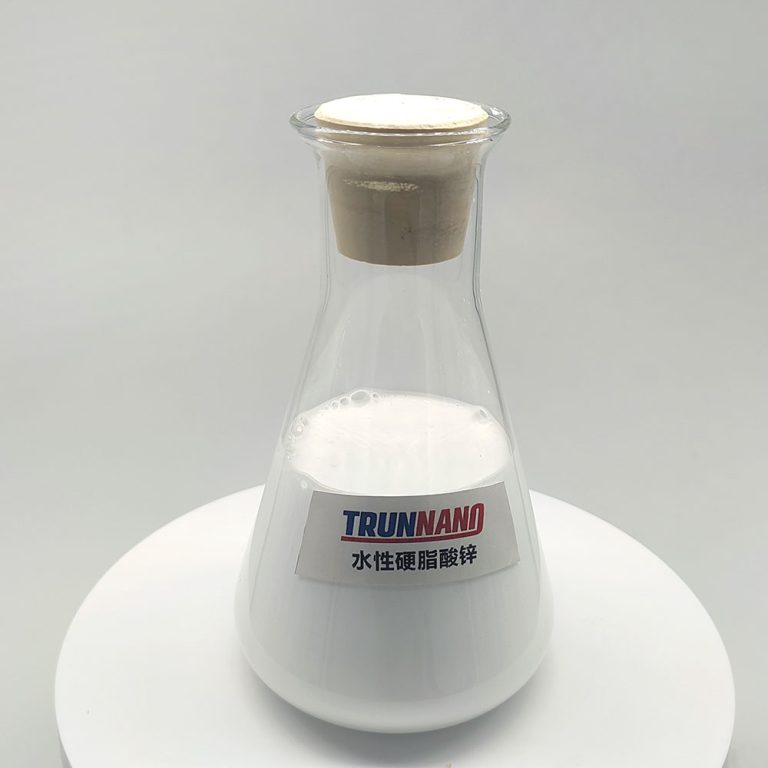
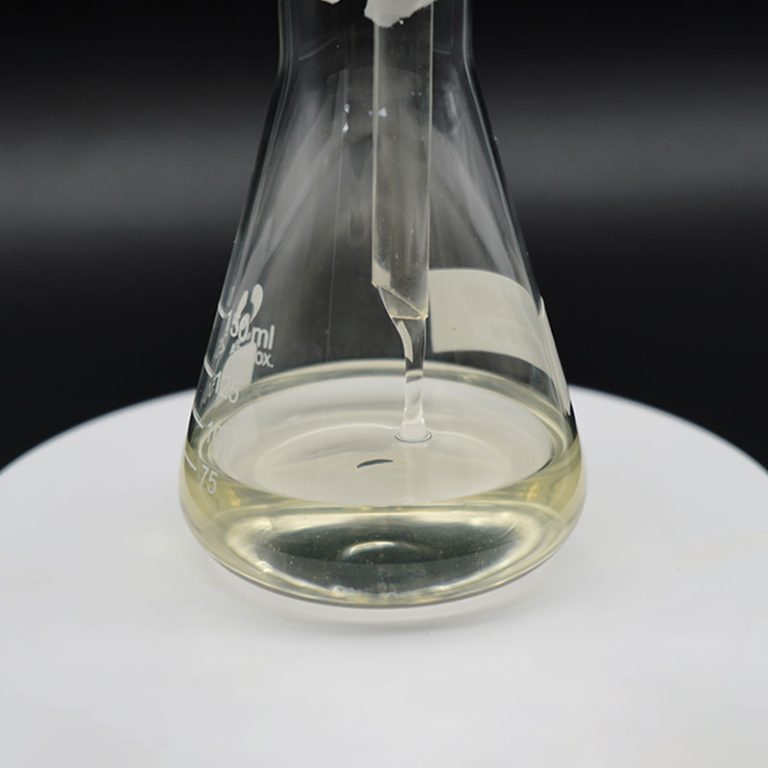
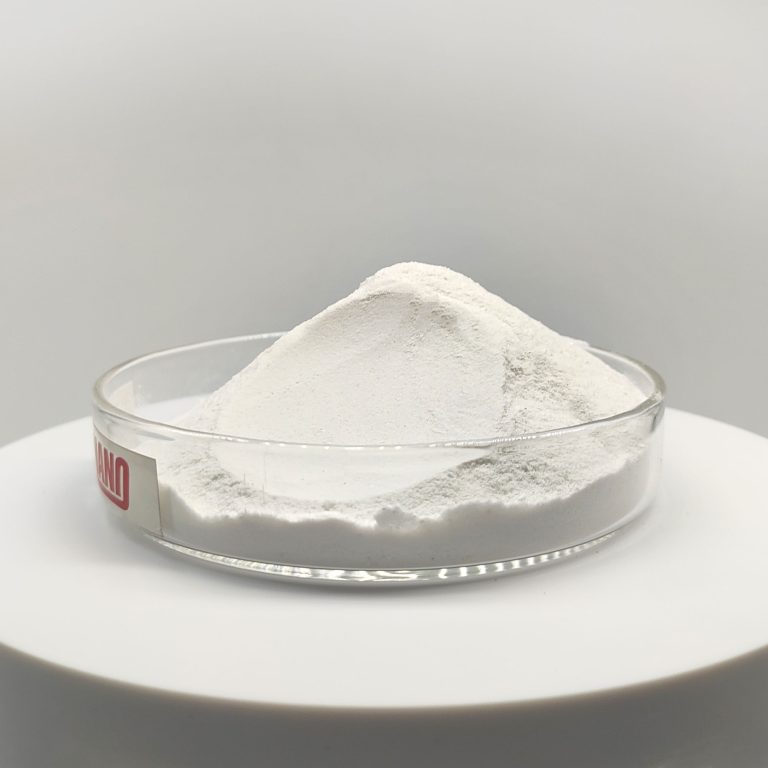
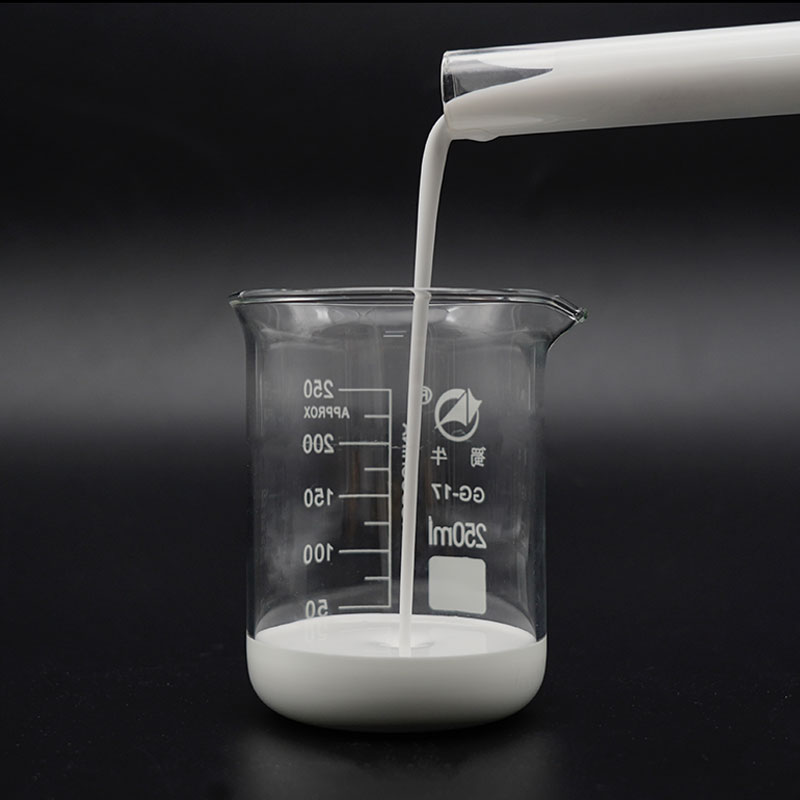
Hot CLC Blocks Foam Concrete Additives Lightweight Concrete Foaming Agent
PRODUCT PARAMETERS
Description
Overview of Hot CLC Blocks Foam Concrete Additives Lightweight Concrete Foaming Agent
Hot CLC Blocks Foam Concrete Additives Lightweight Concrete Foaming Agent is chemical compounds added to concrete mixtures to improve various properties of the material, such as workability, strength, durability, and curing time. These additives include plasticizers, retarders, accelerators, waterproofing agents, and air-entraining agents, each designed to meet specific needs in concrete production. Concrete additives are commonly used in both commercial and residential construction, as well as in the production of precast and ready-mix concrete. By enhancing the performance and quality of concrete, these additives help improve the overall efficiency of construction projects while ensuring the durability and longevity of the finished structure. They are easy to incorporate into the mix and provide cost-effective solutions for optimizing concrete properties in a wide range of applications.
Characteristics of Hot CLC Blocks Foam Concrete Additives Lightweight Concrete Foaming Agent
Enhanced Strength: Concrete additives can significantly increase the compressive strength of concrete, making it more resilient to pressure and stress. This ensures the longevity and durability of structures, reducing the likelihood of cracking or failure.
Improved Workability: Additives such as plasticizers and superplasticizers improve the flowability and consistency of concrete, making it easier to handle, pour, and finish. This enhances productivity on the construction site and reduces labor costs.
Faster Curing: Accelerators, a type of concrete additive, help speed up the curing process, allowing for quicker setting times and faster completion of projects. This is especially useful in cold weather or when fast-tracking construction timelines.
Increased Durability: Many additives, like water-reducing agents and waterproofing compounds, increase the resistance of concrete to harsh environmental conditions such as freeze-thaw cycles, water ingress, and chemical exposure, ensuring long-term performance.
Better Adhesion and Bonding: Certain additives improve the bonding between the concrete and other materials, such as reinforcing steel or aggregates, enhancing the overall structural integrity and reducing the chances of delamination or separation.
Versatility for Various Applications: Concrete additives are highly versatile and can be used in a wide range of applications, from residential buildings to large-scale infrastructure projects. They are formulated to meet specific needs such as high-strength concrete, self-compacting concrete, or durable concrete for extreme conditions.
Cost-Efficient: By improving the quality and performance of concrete, additives reduce the need for additional maintenance and repairs, leading to significant cost savings in the long term. Additionally, they help optimize the mix design, reducing material waste.
Environmentally Friendly: Many modern concrete additives are formulated with eco-friendly ingredients, contributing to more sustainable construction practices. These additives help minimize the carbon footprint and improve the environmental performance of the concrete.
Enhanced Surface Finish: Additives like air-entraining agents can improve the finish and appearance of concrete by preventing defects like cracking, honeycombing, or surface dusting, ensuring a smooth, professional-grade surface.

Specification of Hot CLC Blocks Foam Concrete Additives Lightweight Concrete Foaming Agent
This additive helps make warm CLC blocks. People call it a frothing representative for light-weight concrete. It produces numerous tiny air bubbles inside the concrete mix. This makes the concrete much lighter than typical concrete. Home builders utilize this foaming agent to produce unique blocks. These blocks are called hot CLC blocks. The “hot” component suggests the blocks get treated with heavy steam and high warm. This makes them very solid.
You blend this additive with water initially. After that you blend it into the cement slurry. The representative makes the slurry foam up. It fills the blend with small, stable air pockets. These air pockets stay. They do not collapse conveniently. This foam obtains blended with sand, cement, and fly ash. In some cases building contractors use other materials too. This combination gets poured into mold and mildews. After that it enters into an unique high-pressure heavy steam chamber. This procedure is called autoclaving. The warmth and stress set the blocks quickly. It provides great toughness.
The blocks made in this manner are really light-weight. They are much lighter than routine concrete obstructs or blocks. This makes them easier to take care of and move. Employees can construct walls much faster with them. The air pockets also make these blocks good insulators. They keep heat out in summer season and warmth in during winter. This assists in saving power in structures. The blocks are solid enough for wall surfaces and other frameworks. They are also fire-resistant. They do not shed conveniently.
Building contractors use warm CLC obstructs for several things. They develop walls inside houses and outdoors houses. They build dividing wall surfaces inside buildings. Home builders utilize them for roof panels. They also utilize them for filling voids in building and construction. The blocks benefit soundproofing too. They decrease sound between spaces or from outside. These blocks aid make structures a lot more power efficient. They are a prominent option for modern building jobs.
Applications of Hot CLC Blocks Foam Concrete Additives Lightweight Concrete Foaming Agent
Warm CLC blocks are lightweight cinder block made using a lathering representative. This representative develops small air bubbles in the concrete mix. The result is a block that is much lighter than traditional concrete. Home builders appreciate this lightness. It makes taking care of and relocating the blocks easier. Construction accelerate considerably. Employees obtain much less tired training these blocks. The decreased weight also implies less anxiety on structure frameworks. Structures can in some cases be smaller sized and less costly. This saves both time and money.
These blocks supply exceptional thermal insulation. The air bubbles entraped inside imitate insulation. Structures made with hot CLC blocks stay warmer in winter. They remain cooler in summer season. This natural insulation minimizes heating & cooling prices. Home owners see reduced power expenses. Comfort degrees inside the structure boost. Making use of these blocks helps meet modern energy effectiveness standards.
Hot CLC blocks are fire resistant. Concrete does not shed. This provides a great fire barrier for structures. It boosts total safety and security. The blocks likewise dampen sound well. The air pockets absorb noise. Wall surfaces developed with these blocks develop quieter areas. This is perfect for homes, offices, and schools. People delight in more serene atmospheres.
Builders use these blocks for dividing walls inside structures. They are perfect for this job. The blocks are simple to cut and form on website. Fixings like screws hold well in them. They provide a strong base for plaster and paint. Contractors additionally utilize them for lightweight floor covering systems. This reduces the overall weight on the building structure. It is useful for including floorings to existing structures.
Framework projects profit also. Warm CLC blocks are utilized for filling up old pipes or tunnels. They stream quickly into voids. They harden to develop a strong, light-weight fill. Roadway builders utilize them for embankments behind maintaining walls. The lightweight decreases pressure on the wall surface. This stops shifting or collapse. It is a clever solution for hard ground problems.
Company Profile
We are the global leader in lightweight concrete and advanced engineered foam solutions. Known globally for its commitment to research, innovation, and applied expertise, we have been providing engineered foam solutions since the early 2012’s.
We can supply high-quality concrete admixture and foam concrete related products all over the world.
The company has a professional technical department and quality supervision department, a well-equipped laboratory, and equipped with advanced testing equipment and after-sales customer service center.
If you are interested, please feel free and contact us.
Payment
T/T, Western Union, Paypal, Credit Card etc.
Shipment
By air, by sea, by express, as customers request.
5 FAQs of Hot CLC Blocks Foam Concrete Additives Lightweight Concrete Foaming Agent
People ask what Hot CLC Blocks Foam Concrete Additives are. These are special liquid chemicals. You add them to cement mixtures. They create many tiny air bubbles inside the concrete. This makes the concrete very light. It becomes foam concrete.
People ask how the foaming agent makes bubbles. The liquid agent gets mixed with water. This creates foam. You then blend this foam into the cement slurry. The agent causes the foam to form. The bubbles stay trapped when the concrete sets. The concrete hardens with these bubbles inside.
People ask why use this additive. It makes concrete blocks much lighter. Lightweight blocks are easier to handle. They are faster to install. They reduce the total weight on a building structure. This can lower building costs. Lighter blocks also provide better insulation.
People ask how to use the foaming agent correctly. First, dilute the liquid agent with water. Then use a foam generator machine. This machine makes the stable foam. Mix this foam thoroughly into your cement slurry. Getting the right amount of foam is crucial. Too little foam makes the concrete too heavy. Too much foam weakens the blocks. Follow the supplier’s mixing instructions exactly.
People ask about the performance of blocks made this way. These Hot CLC blocks are strong enough for building walls. Their light weight is their main advantage. They offer good thermal and sound insulation. They are fire resistant. They are also environmentally friendly. They use less raw material. They are durable for construction.