Concrete4U | Concrete Admixtures, Tools, and Production Machines

Hot ing Thermal Insulation Silicone Coated Fiberglass Fabric Cloth
PRODUCT PARAMETERS
Description
Overview of Hot ing Thermal Insulation Silicone Coated Fiberglass Fabric Cloth
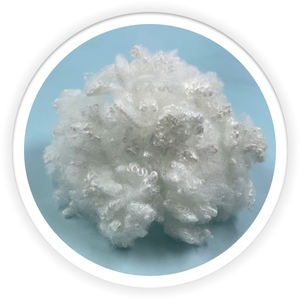
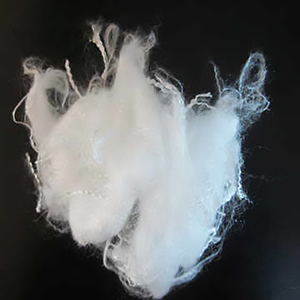
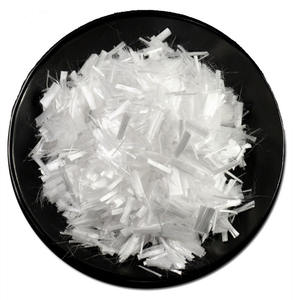
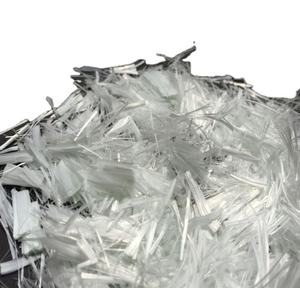
For high-impact resistance, we offer Steel Fibers, an ideal replacement for welded wire mesh in industrial floors and pre-cast elements. We also provide specialized Structural Synthetic Fibers that offer high tensile strength for demanding applications. These fibers are uniformly dispersed throughout the concrete mix, creating a multi-dimensional reinforcement network that traditional methods cannot achieve. This integrated approach simplifies construction, accelerates placement, and enhances the overall integrity and longevity of the concrete, providing a modern answer to age-old cracking and durability challenges.
Features of Hot ing Thermal Insulation Silicone Coated Fiberglass Fabric Cloth
1. Superior Crack Control and Enhanced Durability:
The primary feature of our fibers is their ability to bridge both micro-cracks that form during the plastic state and larger cracks in hardened concrete. This three-dimensional dispersion creates a more cohesive matrix that resists crack propagation. The direct benefit is a significant reduction in both plastic shrinkage cracking and long-term crack width. This leads to a much more durable concrete with lower permeability, which in turn enhances resistance to water ingress, freeze-thaw damage, and corrosion of any embedded steel. The result is a structure with a longer service life and reduced maintenance costs.
2. Increased Impact and Abrasion Resistance:
Fibers, particularly steel and robust synthetic macro fibers, dramatically improve the concrete’s toughness and post-crack performance. They absorb and distribute energy upon impact or loading. This feature provides the benefit of a more resilient surface that is less prone to spalling, chipping, and abrasion under heavy traffic or mechanical wear. This is a critical advantage for industrial floors, warehouse pavements, and infrastructure projects, leading to a harder-wearing surface that maintains its integrity over time.
3. Construction Efficiency and Cost Savings:
A key feature of using fiber reinforcement is the elimination of welded wire mesh (WWF) in many applications. This provides immense on-site benefits: it simplifies placement, as there is no mesh to be set up or potentially displaced, and it accelerates the entire construction process. By removing a labor-intensive step, projects see reduced labor costs and faster project timelines. The uniform distribution of fibers also ensures consistent reinforcement throughout the entire concrete section, unlike mesh, which can be improperly placed, leading to more reliable and predictable performance.

Specifications of Hot ing Thermal Insulation Silicone Coated Fiberglass Fabric Cloth
This cloth is made for high heat jobs. It uses fiberglass fabric as the base. The fiberglass gets coated with silicone rubber. This coating makes the material tough and flexible. The cloth handles very hot temperatures easily. It works well up to 550°F constantly. It can handle short bursts even hotter. The silicone coating protects the fiberglass underneath. It stops heat from passing through the fabric. This makes it great insulation. It also keeps water and chemicals out. The cloth won’t easily catch fire. It resists burning and slows flames. This adds safety where sparks or flames might happen.
The material is strong and lasts a long time. It doesn’t tear easily. It stays flexible even after lots of use. You can bend and fold it without breaking it. This makes it simple to cut and shape for different needs. People use it in many hot places. It wraps pipes carrying steam or hot fluids. It covers boilers and big heating tanks. It lines furnaces and ovens. It protects workers near hot machines. The cloth also seals gaps in high temperature areas. It stops heat from escaping. This saves energy and money. It helps control the temperature better. The surface is smooth and easy to wipe clean. Dirt and liquids don’t stick well to it. This keeps things tidy and safe. It works well indoors and outside. It stands up to weather and sunlight.
Applications of Hot ing Thermal Insulation Silicone Coated Fiberglass Fabric Cloth
This material handles extreme heat well. It insulates pipes and boilers effectively. Factories use it to cover hot equipment. Workers stay safer near heat sources. Energy costs drop because less heat escapes. The fabric withstands temperatures over 1000 degrees Fahrenheit easily. It stays flexible even in freezing conditions. Many plants install it on steam lines. Furnace doors often have this cloth too. It seals heat inside efficiently. The silicone coating makes it water resistant. Rain or steam won’t damage it easily. Oil and grease wipe off its surface. This simplifies cleaning and maintenance. The cloth lasts a long time outdoors. Sunlight doesn’t break it down quickly. Its strength prevents rips and tears. People use it as welding protection. Sparks and slag bounce off the surface. It shields nearby materials from burns. Fire safety is another big use. The fabric acts as a fire barrier. It helps contain flames in emergencies. Kitchens employ it near ovens and grills. It protects walls from high temperatures. The automotive industry relies on it too. It wraps exhaust components tightly. This keeps engine heat away from other parts. Mechanics find it easy to cut and shape. They secure it with common fasteners. Air ducts benefit from its insulation properties. Hot air flows stay more efficient. Power plants use it extensively. Turbines and generators need reliable heat shields. The fabric handles vibration without crumbling. It dampens noise from machinery slightly. Workers appreciate its non-toxic nature. Fumes aren’t a concern during installation. Its light weight makes handling simple. One person can manage large pieces easily. Transporting rolls is straightforward. The cloth saves money over its lifespan. Replacement happens less often. Many industries choose it for reliability.
Company Profile
We are the global leader in lightweight concrete and advanced engineered foam solutions. Known globally for its commitment to research, innovation, and applied expertise, we have been providing engineered foam solutions since the early 2012’s.
We can supply high-quality concrete admixture and foam concrete related products all over the world.
The company has a professional technical department and quality supervision department, a well-equipped laboratory, and equipped with advanced testing equipment and after-sales customer service center.
If you are interested, please feel free and contact us.
Payment
T/T, Western Union, Paypal, Credit Card etc.
Shipment
By air, by sea, by express, as customers request.
5 FAQs of Hot ing Thermal Insulation Silicone Coated Fiberglass Fabric Cloth
What is this fabric used for?
This fabric stops heat transfer. People use it for covering pipes or ducts. It works for machinery too. It keeps heat inside or blocks it out. This saves energy.
How hot can it handle?
This cloth handles very high temperatures. It withstands up to 550°C (1022°F). It stays strong at these heats. The silicone coating protects the fiberglass.
Is it safe to touch?
The coated side feels smooth. It feels safe against skin. The fiberglass side feels rough. Avoid touching the fiberglass side directly. Wear gloves when handling it.
Is it fire resistant?
Yes, it resists fire well. The fiberglass base doesn’t burn. The silicone coating adds protection. It meets fire safety standards. It helps slow fire spread.
How do you cut it?
Cutting requires sharp tools. Use heavy-duty scissors or shears. Cut slowly and carefully. This prevents fraying. Wear gloves for safety.