Concrete4U | Concrete Admixtures, Tools, and Production Machines

Superplasticizers vs. Traditional Water Reducers: Which Concrete Admixture Delivers Better Performance?
1. Introduction
Just 24 hours ago, global construction giant LafargeHolcim announced a major shift toward low-carbon concrete formulations across its European operations—relying heavily on advanced polycarboxylate-based superplasticizers to maintain workability without increasing cement content. This move underscores a growing trend: the future of concrete hinges not just on aggregates and cement, but on smart use of chemical admixtures.
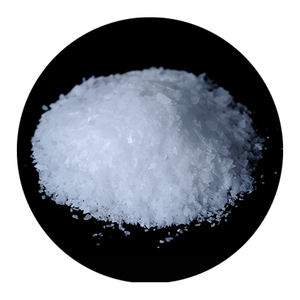
Concrete admixtures—often called ‘concrete chemicals’ or ‘ad mixtures’—are no longer optional extras. They’re essential tools that enhance strength, durability, finish, and sustainability. Among the most impactful are water-reducing admixtures, especially superplasticizers. But not all superplasticizers are created equal. Let’s break down the key players and see which truly delivers the best admixture for concrete in today’s demanding projects.
2. Understanding Water-Reducing Admixtures
Water reducing admixtures lower the water-cement ratio without sacrificing workability—boosting strength and durability. They fall into two main categories: mid-range and high-range water reducers (HRWRs). HRWRs are commonly known as superplasticizers.
- Mid-range water reducers offer 5–10% water reduction.
- High-range water reducers (superplasticizers) can cut water content by 15–40%.
The two dominant chemistries? Naphthalene sulfonate formaldehyde (NSF) and polycarboxylate ether (PCE).
3. Naphthalene-Based Superplasticizers: The Old Guard
Naphthalene-based superplasticizers have been used since the 1960s. They’re cost-effective and reliable for standard applications like precast elements or ready-mix concrete where extreme flow isn’t needed.
However, they come with drawbacks. Their slump retention is poor—meaning concrete loses workability quickly. They also require higher dosages than newer alternatives and can cause slight discoloration in architectural concrete.
Despite these limits, naphthalene superplasticizer remains popular in regions where cost outweighs performance needs. It’s still widely used as a concrete water reducer in mass pours and foundations.
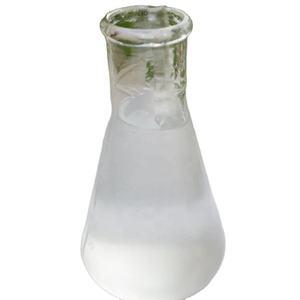
4. Polycarboxylate Ether (PCE) Superplasticizers: The Modern Standard
PCE-based superplasticizers represent the cutting edge. Developed in the 1980s and refined ever since, they offer superior performance with lower dosage rates (often 0.1–0.3% by cement weight).
Key advantages include excellent slump retention, compatibility with supplementary cementitious materials (like fly ash or slag), and minimal impact on setting time. This makes PCE ideal for self-consolidating concrete (SCC), high-strength mixes, and green building projects aiming to reduce cement usage.
Moreover, PCE superplasticizers enable the use of less water while maintaining pumpability—critical for tall buildings and complex formwork. Brands like Chryso admixture often leverage PCE technology for premium performance.
5. Beyond Superplasticizers: Other Critical Admixture Types
While superplasticizers dominate discussions, other concrete admixture types play vital roles:
- Concrete accelerator: Speeds up curing—essential in cold weather or fast-track projects. Fast curing concrete additives fall here.
- Concrete retarder: Delays setting, useful in hot climates or long hauls. A surface retarder concrete is used for exposed aggregate finishes.
- Air entraining admixture: Introduces microscopic air bubbles to improve freeze-thaw resistance. Also called air entraining agent or air entraining concrete additive.
- Waterproofing admixture: Includes integral waterproofer and crystalline waterproofing admixture, which block capillary pores from within.
Each serves a unique purpose, and many modern mixes combine several admixtures for tailored performance.
6. Fiber Reinforcement: The Rise of Concrete Additives Fiber
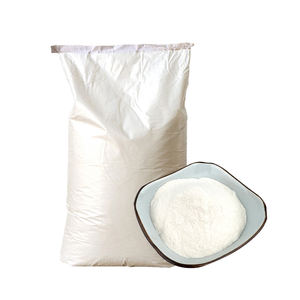
Fibers—polypropylene, steel, or even coconut fiber—are increasingly added as reinforcement fiber for concrete. Unlike traditional rebar, fibers control cracking at the micro-level.
Polypropylene fibres for concrete (PP fiber concrete) are common in slabs and shotcrete. Steel fibers for concrete boost impact resistance in industrial floors. Meanwhile, innovations like carbon fiber reinforced concrete promise ultra-high strength with minimal weight.
Though not a chemical admixture per se, fiberfor concrete mix is now considered part of the broader ‘concrete additives’ family—especially in fiber reinforced concrete applications like fibercement siding or concrete fiberboard siding.
7. Choosing the Best Admixture for Your Project
There’s no universal ‘best admixture for concrete.’ The right choice depends on climate, design specs, budget, and sustainability goals.
For high-flow, low-permeability structures (like bridges or tunnels), PCE superplasticizer admixture is unmatched. For basic sidewalks or curbs, a naphthalene-based water reducer may suffice.
Don’t overlook compatibility. Some superplasticizers react poorly with certain cements or mineral admixtures. Always request a bio data sheet from suppliers and run trial batches.
Also consider end-use: if you’re casting colored stamped concrete, avoid admixtures that cause efflorescence or color shifts. And for exterior concrete siding that looks like wood—like Hardie or CertainTeed products—waterproof admix and air entraining cement improve longevity.
8. Conclusion
The evolution from naphthalene to PCE superplasticizers marks a leap in concrete technology—enabling stronger, greener, and more versatile structures. But admixtures aren’t one-size-fits-all. Whether you need a concrete accelerator curing time boost, an integral waterproofer, or macro fibers for crack control, understanding admixture types and their interactions is key.
As the industry moves toward performance-driven, low-carbon concrete, choosing the right chemical admixture for concrete will remain a decisive factor in project success.
Our Website founded on October 17, 2012, is a high-tech enterprise committed to the research and development, production, processing, sales and technical services of ceramic relative materials such as Superplasticizers. Our products includes but not limited to Boron Carbide Ceramic Products, Boron Nitride Ceramic Products, Silicon Carbide Ceramic Products, Silicon Nitride Ceramic Products, Zirconium Dioxide Ceramic Products, etc. If you are interested, please feel free to contact us.