Concrete-mesa | Concrete Admixtures, Tools, and Production Machines

Polycarboxylate Superplasticizers mortar admixtures water reducer pce for pre-cast concrete RMC factory additives
PRODUCT PARAMETERS
Description
Overview of Polycarboxylate Superplasticizers mortar admixtures water reducer pce for pre-cast concrete RMC factory additives
Polycarboxylate Superplasticizers mortar admixtures water reducer pce for pre-cast concrete RMC factory additives is chemical compounds added to concrete mixtures to improve various properties of the material, such as workability, strength, durability, and curing time. These additives include plasticizers, retarders, accelerators, waterproofing agents, and air-entraining agents, each designed to meet specific needs in concrete production. Concrete additives are commonly used in both commercial and residential construction, as well as in the production of precast and ready-mix concrete. By enhancing the performance and quality of concrete, these additives help improve the overall efficiency of construction projects while ensuring the durability and longevity of the finished structure. They are easy to incorporate into the mix and provide cost-effective solutions for optimizing concrete properties in a wide range of applications.
Characteristics of Polycarboxylate Superplasticizers mortar admixtures water reducer pce for pre-cast concrete RMC factory additives
Enhanced Strength: Concrete additives can significantly increase the compressive strength of concrete, making it more resilient to pressure and stress. This ensures the longevity and durability of structures, reducing the likelihood of cracking or failure.
Improved Workability: Additives such as plasticizers and superplasticizers improve the flowability and consistency of concrete, making it easier to handle, pour, and finish. This enhances productivity on the construction site and reduces labor costs.
Faster Curing: Accelerators, a type of concrete additive, help speed up the curing process, allowing for quicker setting times and faster completion of projects. This is especially useful in cold weather or when fast-tracking construction timelines.
Increased Durability: Many additives, like water-reducing agents and waterproofing compounds, increase the resistance of concrete to harsh environmental conditions such as freeze-thaw cycles, water ingress, and chemical exposure, ensuring long-term performance.
Better Adhesion and Bonding: Certain additives improve the bonding between the concrete and other materials, such as reinforcing steel or aggregates, enhancing the overall structural integrity and reducing the chances of delamination or separation.
Versatility for Various Applications: Concrete additives are highly versatile and can be used in a wide range of applications, from residential buildings to large-scale infrastructure projects. They are formulated to meet specific needs such as high-strength concrete, self-compacting concrete, or durable concrete for extreme conditions.
Cost-Efficient: By improving the quality and performance of concrete, additives reduce the need for additional maintenance and repairs, leading to significant cost savings in the long term. Additionally, they help optimize the mix design, reducing material waste.
Environmentally Friendly: Many modern concrete additives are formulated with eco-friendly ingredients, contributing to more sustainable construction practices. These additives help minimize the carbon footprint and improve the environmental performance of the concrete.
Enhanced Surface Finish: Additives like air-entraining agents can improve the finish and appearance of concrete by preventing defects like cracking, honeycombing, or surface dusting, ensuring a smooth, professional-grade surface.

Specification of Polycarboxylate Superplasticizers mortar admixtures water reducer pce for pre-cast concrete RMC factory additives
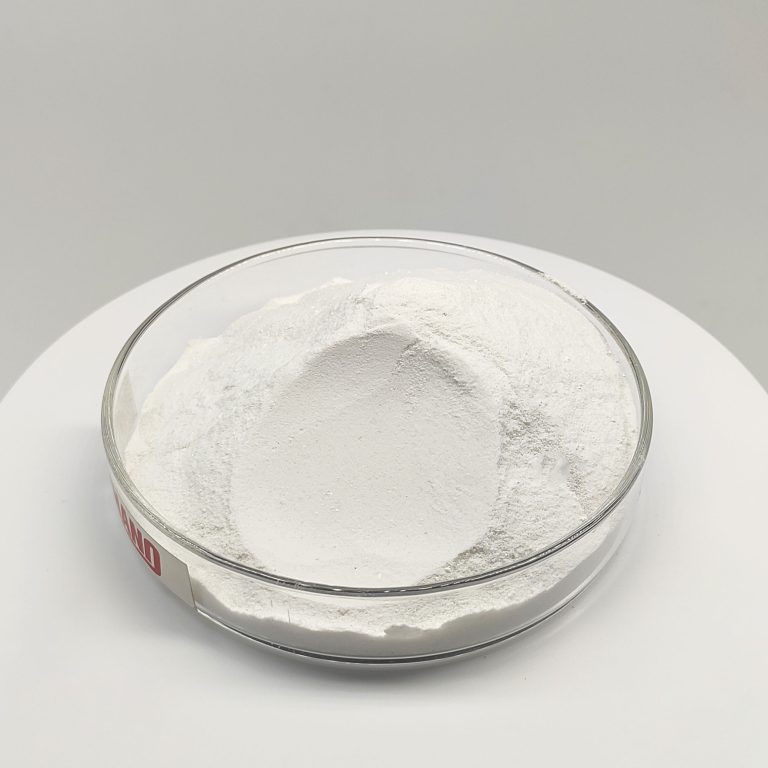
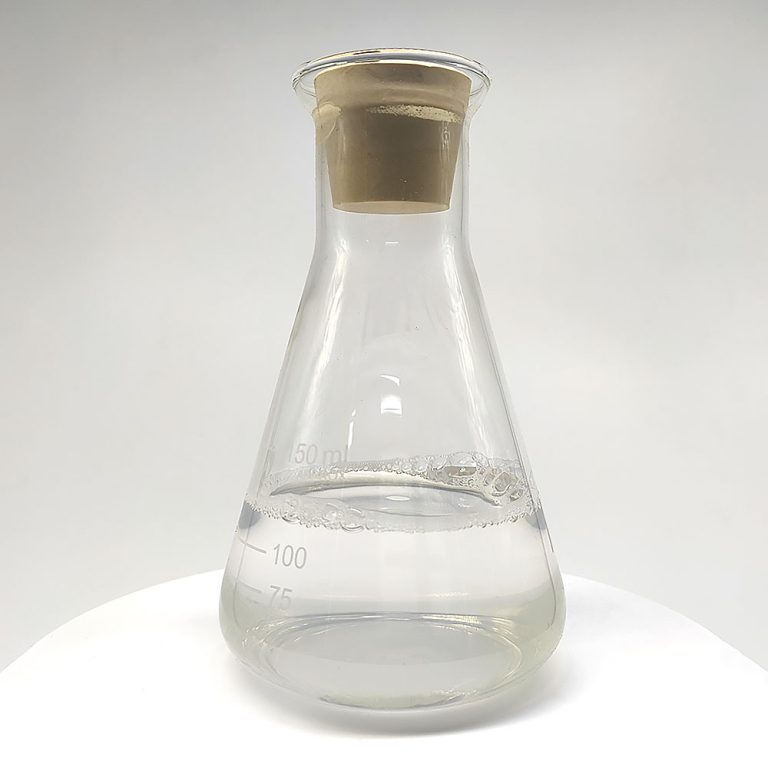
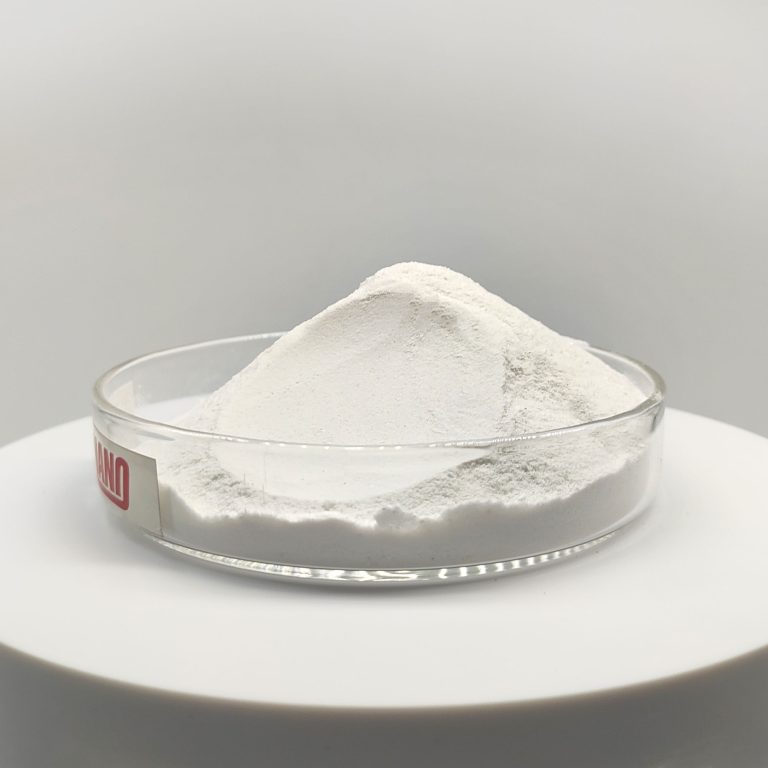
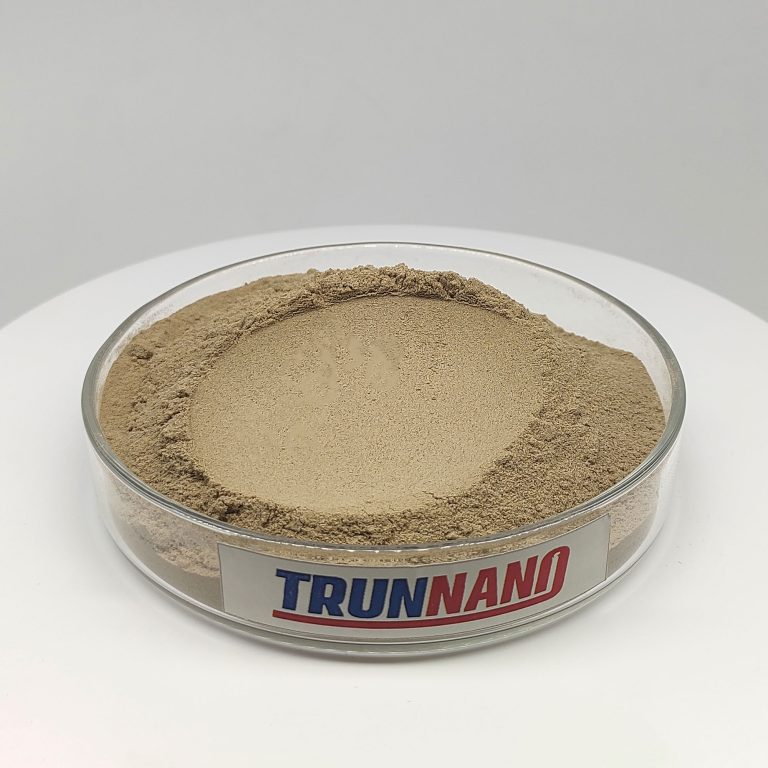
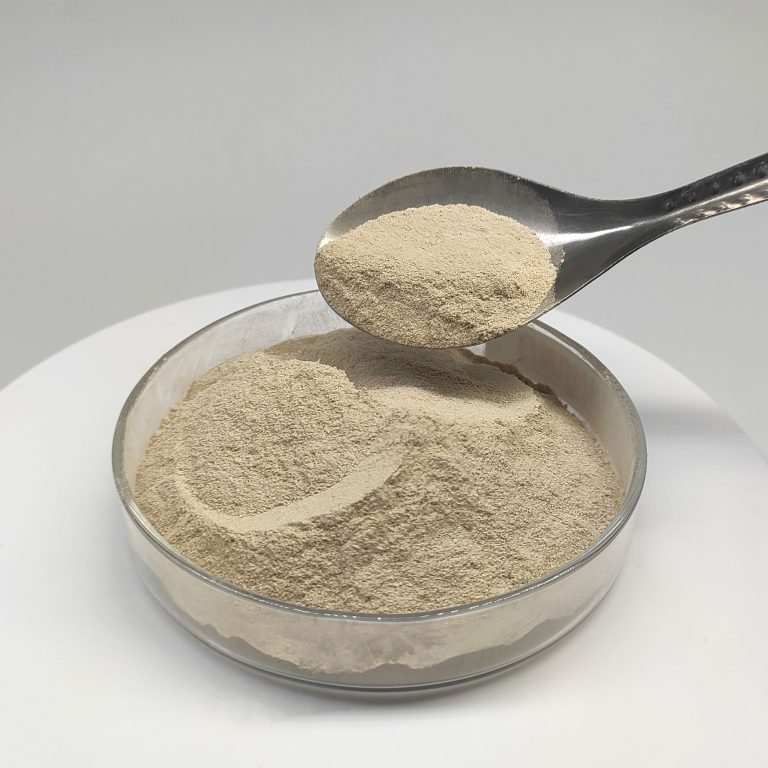
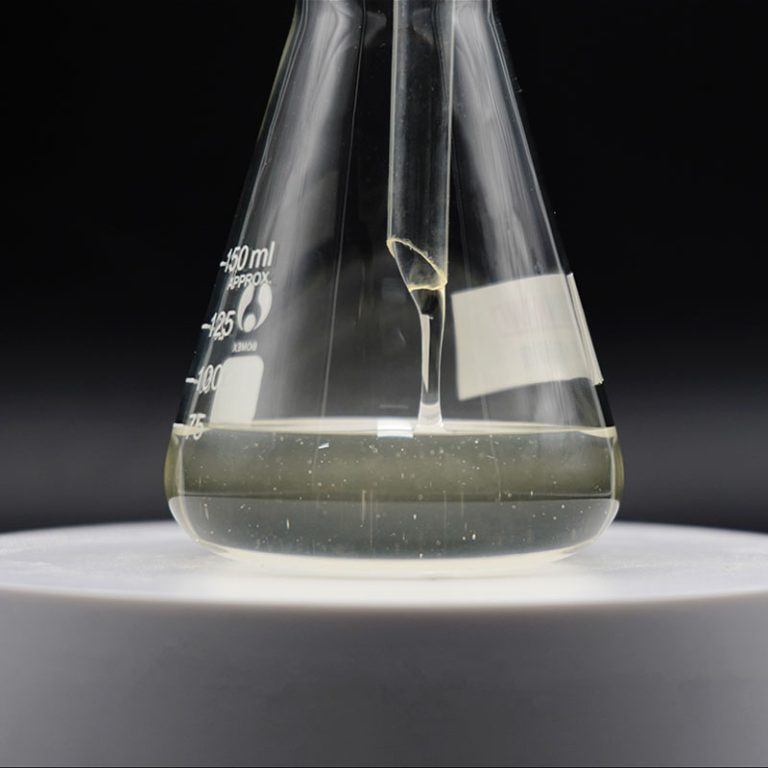
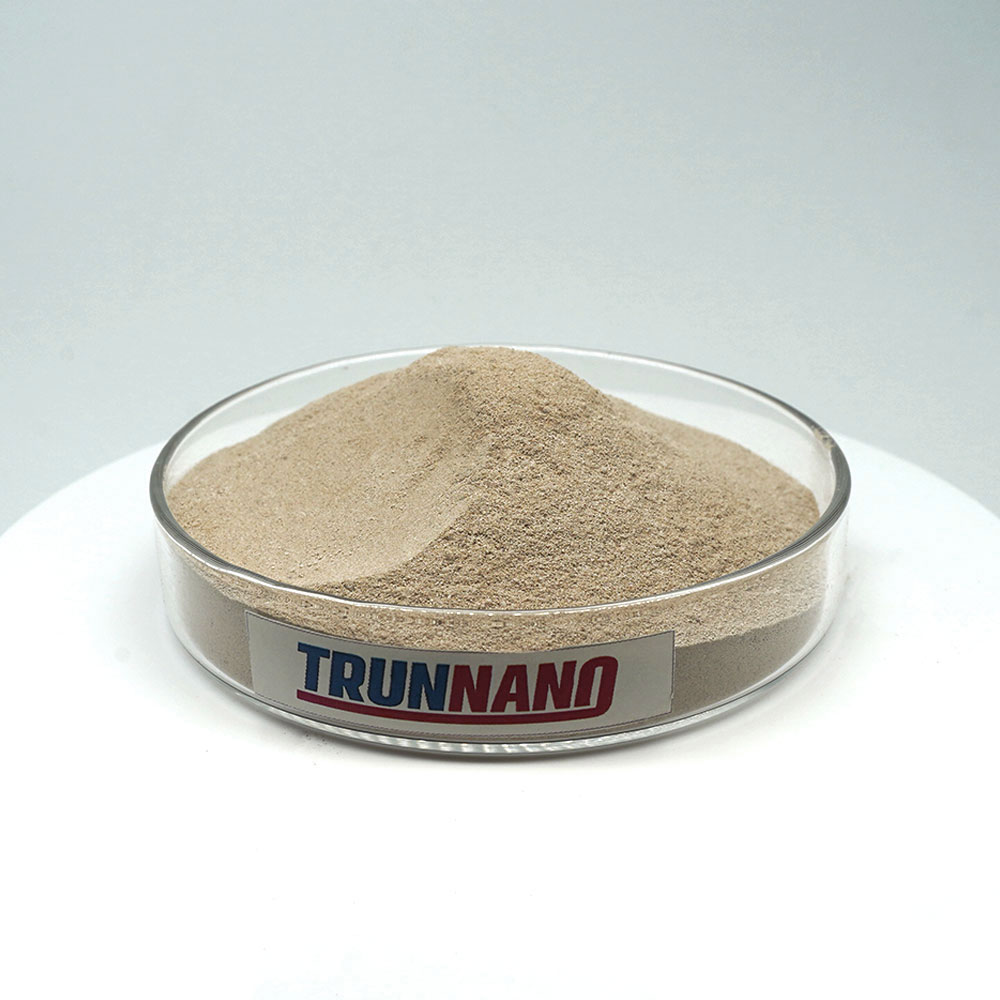
Polycarboxylate superplasticizers, called PCE for brief, are modern-day chemicals for concrete. They make concrete circulation better without including added water. This is essential for precast concrete plants and RMC manufacturing facilities. These locations need solid, durable products made quickly. PCE assists achieve this. It allows building contractors use less water in their concrete blends. Less water indicates stronger concrete when it sets. The concrete additionally stays workable longer. Employees have even more time to location and complete it correctly. This is good for difficult puts or heat. PCE functions differently from older kinds of water reducers. It acts upon the concrete fragments. It spreads them better. This causes much better bit packing. The outcome is a denser concrete. Denser concrete is stronger and lasts much longer. It stands up to water and chemicals better. Building contractors get a top notch surface on the concrete surface as well. Pumping the concrete comes to be easier with PCE. It moves smoothly through pipelines. Manufacturing facilities can generate even more precast devices every day. They conserve money and time. Utilizing PCE sustains lasting structure. Less cement might be required for the same strength. This reduces CO2 emissions from concrete manufacturing. The admixture is usually added at the plant during batching. Specific application is essential. Way too much can create troubles like too much air or partition. Complying with the supplier’s instructions is essential. PCE is available in liquid kind usually. It is easy to deal with and dosage accurately. The efficiency depends upon the particular cement made use of. Checking the mix first is always sensible. PCE uses significant benefits for contemporary concrete manufacturing. It improves efficiency and final product high quality considerably.
Applications of Polycarboxylate Superplasticizers mortar admixtures water reducer pce for pre-cast concrete RMC factory additives
Polycarboxylate superplasticizers, or PCE for short, are innovative chemical admixtures utilized in concrete. They are especially vital for precast concrete manufacturers and ready-mix concrete (RMC) manufacturing facilities. These admixtures act as effective water reducers. They allow you use a lot less water when making concrete. Using less water is good. It makes the concrete stronger and much more sturdy. The concrete also stands up to fracturing better.
PCE superplasticizers offer excellent workability control. They make the concrete combination flow conveniently. This is crucial when filling complicated precast mold and mildews completely. It assists attain sharp edges and great details on precast products. Great flow also aids throughout pumping and positioning procedures at RMC plants. Workers find it less complicated to manage the concrete. It spreads out smoothly without needing extra water. Adding added water later on damages the concrete. PCE assists avoid this trouble.
These admixtures dramatically improve the final strength of the concrete. Because much less water is made use of, the concrete thickness increases. This leads to higher compressive stamina. Precast elements need high early strength. They should be strong sufficient to be demolded promptly. PCE admixtures assist accomplish that needed very early toughness quickly. RMC manufacturing facilities additionally benefit from stronger concrete frameworks for their clients. Stronger concrete lasts much longer.
PCE admixtures use versatility in regulating setting times. Some formulations can a little speed up setting. This is useful for quick precast manufacturing cycles. Various other solutions might slow down setting slightly. This aids handle long haul times for RMC trucks. The selection depends upon the specific demands of the project. Using PCE helps optimize the production process. It saves time and money. Precise application is key to getting the very best outcomes. Follow the maker’s guidelines meticulously. These admixtures help make top quality precast devices and constant RMC batches.
Company Profile
We are the global leader in lightweight concrete and advanced engineered foam solutions. Known globally for its commitment to research, innovation, and applied expertise, we have been providing engineered foam solutions since the early 2012’s.
We can supply high-quality concrete admixture and foam concrete related products all over the world.
The company has a professional technical department and quality supervision department, a well-equipped laboratory, and equipped with advanced testing equipment and after-sales customer service center.
If you are interested, please feel free and contact us.
Payment
T/T, Western Union, Paypal, Credit Card etc.
Shipment
By air, by sea, by express, as customers request.
5 FAQs of Polycarboxylate Superplasticizers mortar admixtures water reducer pce for pre-cast concrete RMC factory additives
What are polycarboxylate superplasticizers? Polycarboxylate superplasticizers, called PCE, are modern chemical additives for concrete. They help make concrete much easier to work with. They do this without adding lots of extra water.
How does PCE work? PCE molecules attach themselves to cement particles. This action makes the particles push away from each other. The pushing apart releases trapped water inside the concrete mix. More free water means the concrete flows better. This improves workability significantly.
Why choose PCE over older plasticizers? PCE offers big advantages. It gives much higher water reduction. This means stronger concrete. PCE keeps the concrete workable longer. Builders get more time to place and finish it. Older types lose effectiveness much faster. PCE is also generally more reliable. Its performance is more consistent.
Does PCE slow down concrete setting? Yes, PCE usually slows setting time somewhat. This is normal. It happens because less water is used overall. The mix needs more time to gain strength. Precise dosing helps manage this effect. The delay is usually predictable. It allows for better scheduling.
How important is correct PCE dosing? Correct dosing is extremely important. Too little PCE won’t give enough water reduction. The concrete won’t flow properly. Too much PCE can cause serious problems. Excessive air might get trapped. The concrete might bleed or segregate. It could set too slowly. Always follow the supplier’s mixing instructions carefully. Testing helps find the best amount for each job.