Concrete4U | Concrete Admixtures, Tools, and Production Machines

Foam Agent for Cellular Lightweight Concrete for
PRODUCT PARAMETERS
Description
Overview of Foam Agent for Cellular Lightweight Concrete for
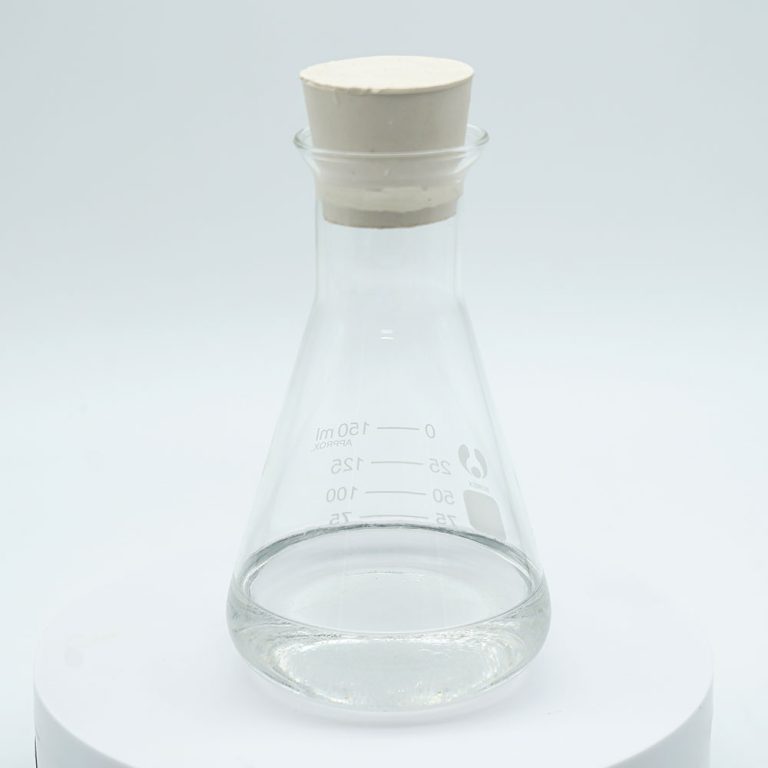
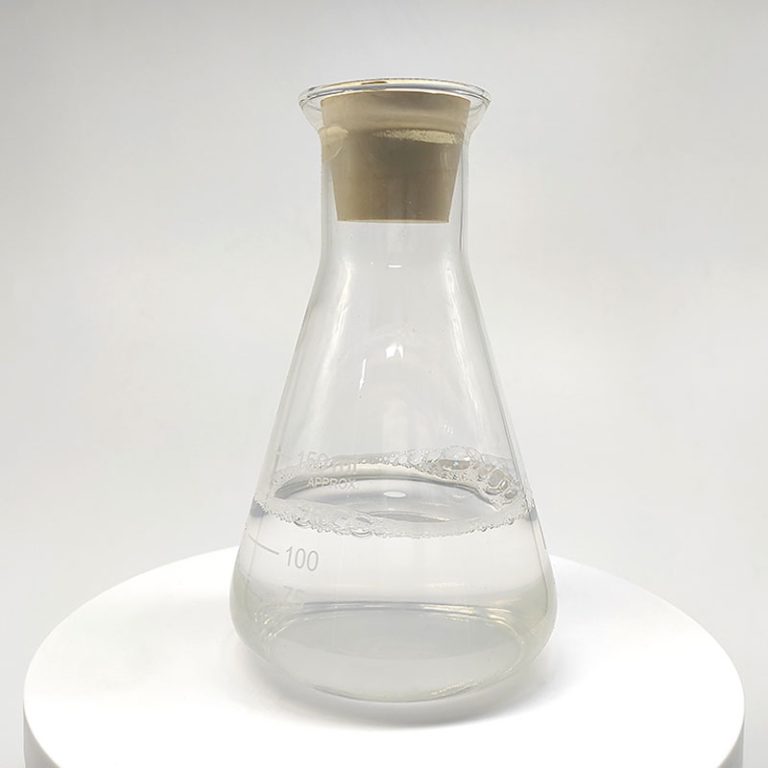
Foam Agent for Cellular Lightweight Concrete for is a surfactant that generates large quantities of uniform, stable foam through physical or chemical means. When this foam is thoroughly mixed with cement-based slurry (cement, fly ash, etc.) and cured naturally or with steam, it forms a novel lightweight material—foam concrete—internally filled with numerous closed air cells.
Features of Foam Agent for Cellular Lightweight Concrete for
1. High Foam Multiplication Ratio: High foam multiplication ratio allows for dilution before use. One kilogram of concentrate generates a large volume of uniform foam, delivering significant cost savings.
2. Strong Foam Stability: Produces resilient, uniformly fine foam walls that resist collapse or breakage. Effectively withstands pressure from cement slurry, ensuring independent and sealed air cells within the finished product.
3. Uniform and Fine Pore Structure: The foam concrete exhibits an ideal internal structure of closed spherical micro-pores, guaranteeing superior physical properties.
4. Low Material Consumption: Achieves equivalent density and strength grades with lower dosage than standard market products, reducing costs.
5. Eco-friendly and safe: Neutral formulation, non-toxic, odorless, and non-corrosive, posing no harm to the environment or human health. Classified as a green building material.
6. Wide adaptability: Excellent compatibility with various cements (including ordinary Portland cement and aluminate cement) and admixtures. Rapid foaming action with extended foam stability.

Specifications of Foam Agent for Cellular Lightweight Concrete for
This foam representative produces stable air bubbles in concrete. It makes light-weight mobile concrete. This concrete is much lighter than routine concrete. It supplies excellent insulation also. You need the ideal foam representative forever outcomes. Right here are the vital requirements.
The foam agent comes as a fluid concentrate. You must weaken it with water prior to use. The dilution ratio is important. Typical proportions range from 1:20 to 1:40 components representative to water. Constantly follow the producer’s details guidelines. Making use of the incorrect ratio makes weak foam. Weak foam ruins the concrete.
The foam quality is important. Great foam has extremely small, difficult bubbles. These bubbles stay separate. They do not combine conveniently. The foam has to stand up to breaking down. It has to resist draining water swiftly. Stable foam makes certain even air pockets in the concrete. This provides regular reduced thickness and stamina.
Different agent kinds exist. Protein-based representatives use hydrolyzed proteins. Artificial representatives make use of surfactants. Each type has pros and cons. Healthy protein representatives frequently make very secure foam. Synthetic representatives might be cheaper. Pick based upon your job requirements and the concrete mix style.
The representative has to deal with your cement and other additives. Compatibility is vital. Test the agent with your exact products first. A tiny trial batch stops large troubles later on. The representative ought to not react badly with admixtures or cement.
The foam agent controls the final concrete density. Lower thickness needs a lot more foam. Greater density requires less foam. Target densities normally range from 400 kg/m three to 1800 kg/m six. The agent straight affects this. Accurate dosing is necessary.
Shop the concentrate properly. Maintain it in a cool, dry place. Stay clear of freezing. Prevent direct sunlight. Shelf life is commonly 6 to one year. Check the container tag for exact dates. Usage older supply initially.
Constantly evaluate the foam prior to making concrete. Check the bubble size and stability. Excellent foam looks creamy and thick. It holds its form well. Poor foam looks watery or has large bubbles. Never make use of poor quality foam. It makes weak, unstable concrete. Step the foam density as well. Constant foam thickness implies regular concrete thickness. Adhere to the blending instructions very carefully. Use the advised foam generator. Proper tools matters.
Applications of Foam Agent for Cellular Lightweight Concrete for
Foam representatives produce tiny air bubbles in concrete. This makes mobile light-weight concrete. Home builders utilize this unique concrete in many means. Light-weight walls are a significant application. Foam concrete panels change hefty blocks. They build wall surfaces quicker. Workers handle them conveniently. This is good for tall structures. Much less weight indicates smaller sized foundations. Builders conserve cash on products. Construction time is much shorter as well.
Roofing insulation is one more crucial usage. Foam concrete poured on roof coverings stops heat loss. It maintains buildings warm in wintertime. It maintains structures cool in summertime. This decreases energy expenses. Individuals really feel more comfy within. The foam concrete layer is solid sufficient to stroll on. Employees install pipes and wires easily within it.
Filling up old tunnels and pipelines happens typically. Foam concrete streams smoothly into tight areas. It loads spaces completely. It protects against ground from sinking later. This is more affordable than excavating every little thing out. It conserves a great deal of time on projects. Landscapers utilize it for inclines and yard features. It forms the ground without hefty soil. Drainage is generally good.
Floor screeds utilize foam concrete consistently. It provides a flat, degree surface for final floor covering. The lightweight nature is essential upstairs. It prevents straining structures. Sound travels less with it. People hear much less sound in between floors. Fire resistance is an additional advantage. The air pockets decrease heat spread. This adds safety and security to structures. Fixing old structures utilizes foam concrete. It fills spaces under roadways or foundations. It maintains the ground without adding heavy weight. Foam concrete makes several building work easier and less costly.
Company Profile
We are the global leader in lightweight concrete and advanced engineered foam solutions. Known globally for its commitment to research, innovation, and applied expertise, we have been providing engineered foam solutions since the early 2012’s.
We can supply high-quality concrete admixture and foam concrete related products all over the world.
The company has a professional technical department and quality supervision department, a well-equipped laboratory, and equipped with advanced testing equipment and after-sales customer service center.
If you are interested, please feel free and contact us.
Payment
T/T, Western Union, Paypal, Credit Card etc.
Shipment
By air, by sea, by express, as customers request.
5 FAQs of Foam Agent for Cellular Lightweight Concrete for
What is a Foam Agent for Cellular Lightweight Concrete?
Foam Agent is a special liquid. You add it to concrete mixes. It creates stable, tiny air bubbles throughout the mix. This process forms Cellular Lightweight Concrete (CLC). The concrete becomes much lighter than regular concrete.
How does Foam Agent make concrete lighter?
The agent creates millions of small, strong air bubbles when mixed with water and air. These bubbles get trapped inside the concrete when it sets. Air weighs almost nothing. Adding air bubbles reduces the overall weight of the concrete block or structure. This cuts the density significantly.
Why use Foam Agent in concrete?
It offers major benefits. The lightweight concrete is easier to handle. This speeds up construction. It provides excellent thermal insulation. Buildings stay warmer or cooler easier. It gives good sound insulation. It lowers the load on building foundations. This can save money on structural support. The material is also fire resistant.
How do you use Foam Agent correctly?
Follow the supplier’s instructions carefully. First, dilute the concentrated agent with water to the specified ratio. Then, generate foam using a dedicated foam generator machine. This machine mixes air, water, and the diluted agent under pressure. Next, blend this stable foam thoroughly into the cement, sand, and water slurry. Proper mixing is crucial for even bubble distribution and strength.
Is Foam Agent safe to handle?
Generally, yes, with basic precautions. Wear gloves and eye protection. Avoid skin contact. Avoid breathing mist. Work in a well-ventilated area. Rinse skin promptly if contact happens. Refer to the specific product’s Safety Data Sheet (SDS) for detailed handling and first aid information. Store it according to the manufacturer’s guidelines.