Concrete-mesa | Concrete Admixtures, Tools, and Production Machines

Foam Concrete Block CLC Foaming Agent
PRODUCT PARAMETERS
Description
Overview of Foam Concrete Block CLC Foaming Agent
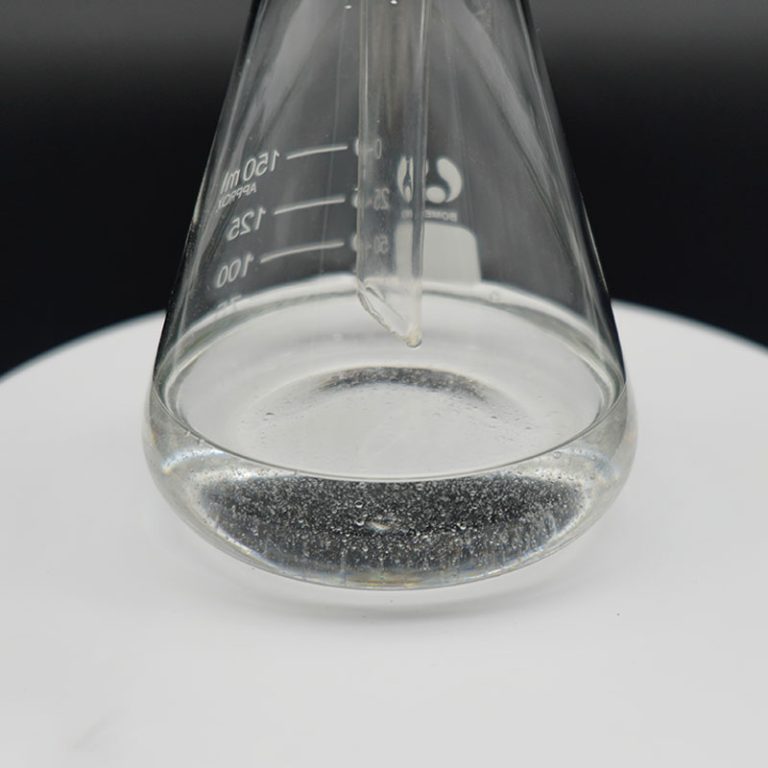
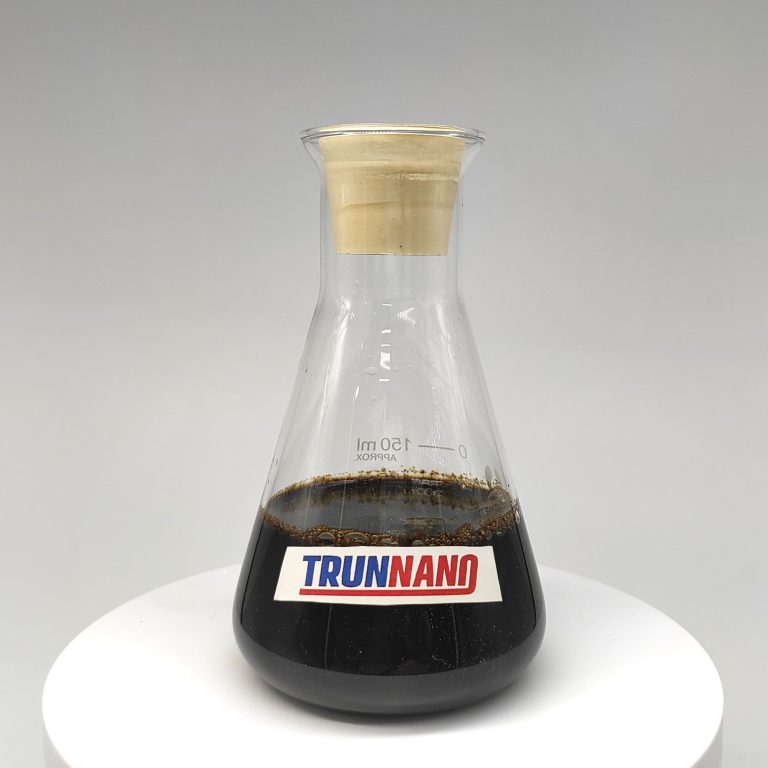
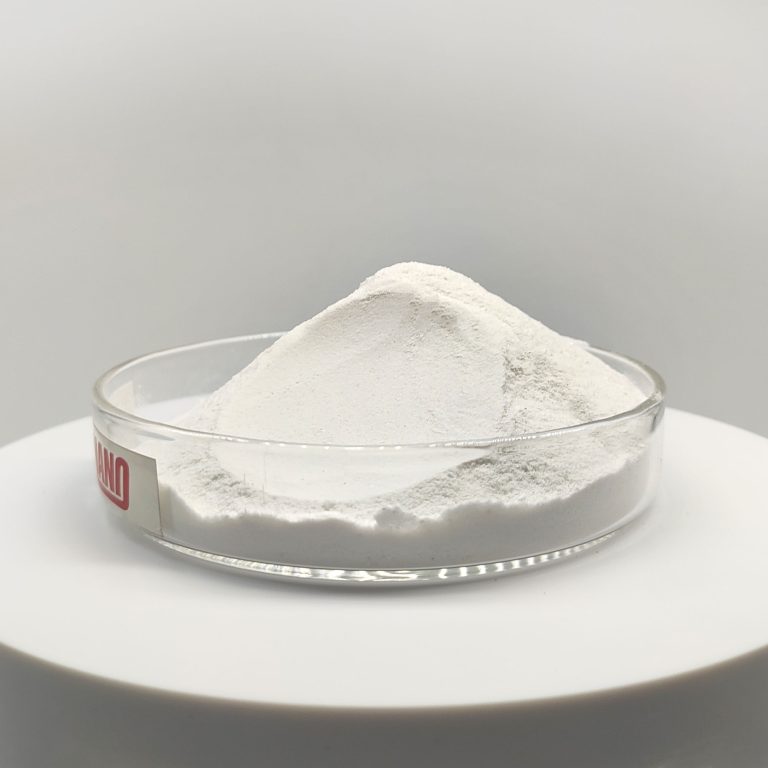
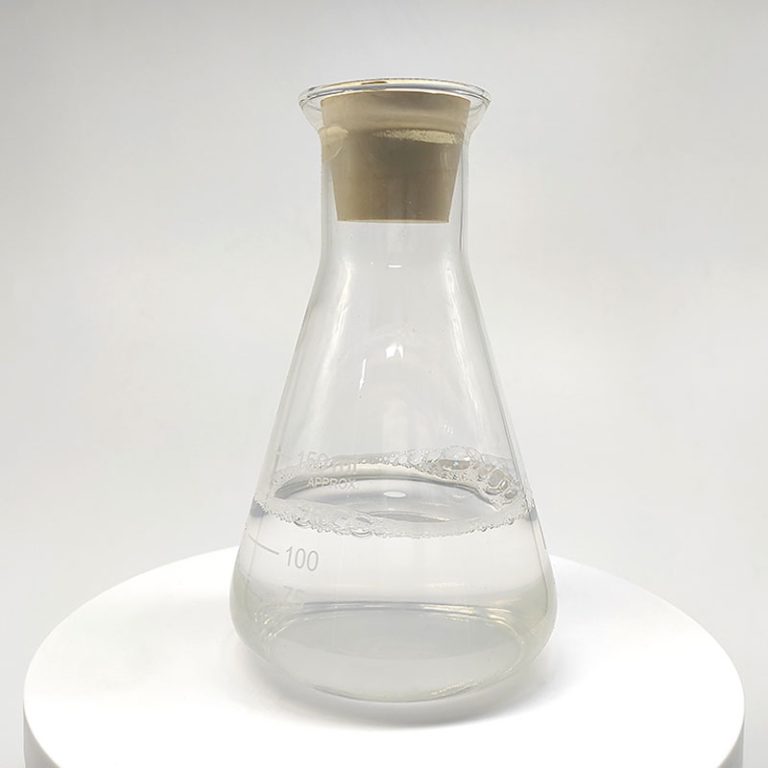
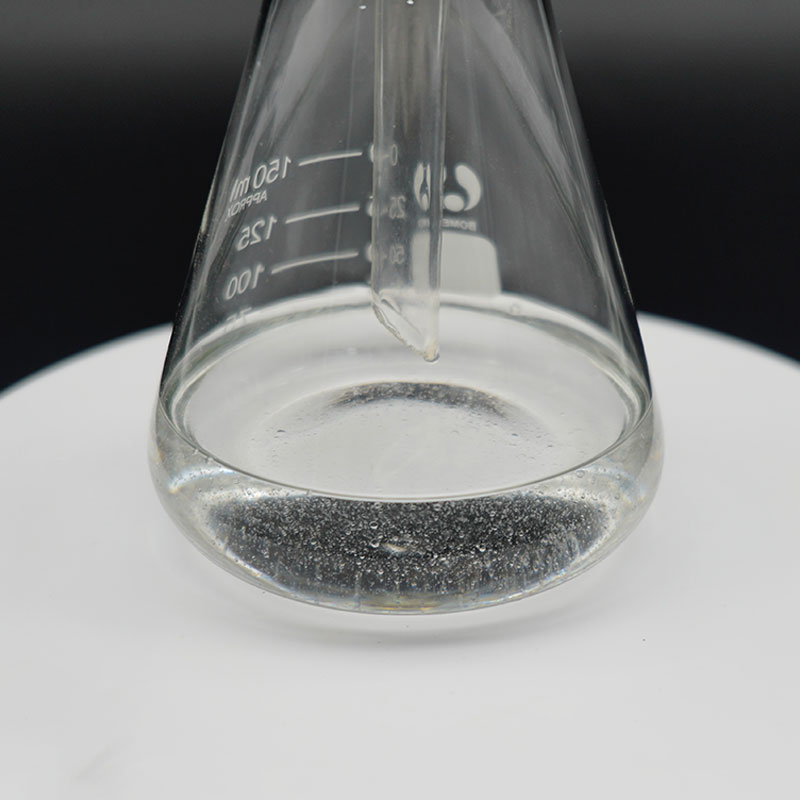
Foam Concrete Block CLC Foaming Agent is a surfactant that generates large quantities of uniform, stable foam through physical or chemical means. When this foam is thoroughly mixed with cement-based slurry (cement, fly ash, etc.) and cured naturally or with steam, it forms a novel lightweight material—foam concrete—internally filled with numerous closed air cells.
Features of Foam Concrete Block CLC Foaming Agent
1. High Foam Multiplication Ratio: High foam multiplication ratio allows for dilution before use. One kilogram of concentrate generates a large volume of uniform foam, delivering significant cost savings.
2. Strong Foam Stability: Produces resilient, uniformly fine foam walls that resist collapse or breakage. Effectively withstands pressure from cement slurry, ensuring independent and sealed air cells within the finished product.
3. Uniform and Fine Pore Structure: The foam concrete exhibits an ideal internal structure of closed spherical micro-pores, guaranteeing superior physical properties.
4. Low Material Consumption: Achieves equivalent density and strength grades with lower dosage than standard market products, reducing costs.
5. Eco-friendly and safe: Neutral formulation, non-toxic, odorless, and non-corrosive, posing no harm to the environment or human health. Classified as a green building material.
6. Wide adaptability: Excellent compatibility with various cements (including ordinary Portland cement and aluminate cement) and admixtures. Rapid foaming action with extended foam stability.

Specifications of Foam Concrete Block CLC Foaming Agent
Foam concrete blocks require an unique foaming representative. This representative produces the small air bubbles inside the combination. Home builders call this agent CLC Lathering Representative. It works by blending with water and air. This develops a steady foam. You mix this foam into cement, sand, and water. The foam gives the concrete its light weight.
The blocks made with this representative have low thickness. Density generally varies from 400 kg/m five to 1800 kg/m four. Reduced thickness suggests lighter blocks. Lighter blocks are simpler to take care of. They decrease structural tons on buildings. This quickens building work.
These blocks provide good compressive toughness. Strength depends upon the thickness chosen. Greater density blocks are stronger. They suit bearing walls. Lower thickness works well for dividing walls. Toughness additionally satisfies building ordinance requirements.
Thermal insulation is a major advantage. The air bubbles catch warmth. This keeps buildings cooler in summertime. It maintains them warmer in winter season. Energy costs decrease. Audio insulation is also effective. The permeable structure soaks up sound. This creates quieter interior rooms.
Fire resistance is high. The blocks are made from mineral products. They do not melt quickly. This improves structure security. Fire ratings are normally excellent.
The product is eco-friendly. It uses much less concrete than normal concrete. Production commonly makes use of recycled materials. Waste is very little. The blocks are durable. They stand up to bugs and degeneration. This guarantees long developing life.
Building contractors choose this representative for dependable foam high quality. Regular bubble dimension is vital. It impacts the block’s last residential or commercial properties. The representative should be very easy to utilize. It blends well with standard tools. Life span matters also. Good representatives remain effective for months. This protects against waste on site. Price is always a variable. This representative gives value. It makes top quality foam concrete possible.
Applications of Foam Concrete Block CLC Foaming Agent
CLC frothing representative makes lightweight cinder block. This things develops numerous small air bubbles inside the concrete mix. The bubbles make the concrete much lighter than regular cinder block. Builders utilize these foam concrete obstructs for many vital jobs.
Light weight is a large advantage. Wall surfaces made with these blocks are simpler to deal with. Workers can move them faster. This speeds up building projects. It also decreases the lots on the structure’s framework. Structures can be smaller. This saves money on products.
Excellent insulation is another essential advantage. The trapped air bubbles stop warmth moving quickly. Structures stay warmer in winter season. Structures remain cooler in summertime. This reduces cooling and heating expenses. Foam concrete obstructs imitate a thermal obstacle. They help meet power effectiveness policies.
Filling up voids is a typical usage. Foam concrete flows easily right into awkward areas. It fills up gaps under floors perfectly. It fills old containers or unused pipes entirely. It fills up mining passages securely. The foam increases to fill up every corner. It establishes hard and provides good support.
Roofing insulation frequently utilizes this product. A layer of foam concrete on flat roof coverings works well. It shields against temperature level changes. It shields the water-proof layer beneath. It develops a gentle slope for water drainage. This technique is basic and effective.
Soundproofing is another advantage. The air bubbles soak up sound well. Wall surfaces built with foam obstructs minimize sound transfer in between areas. They make structures quieter. This benefits homes near busy roads. It’s good for workplaces needing personal privacy.
The blocks are additionally fire resistant. Concrete does not shed. The foam structure includes extra defense. It slows down fire spreading out via walls. This boosts structure security. It provides individuals more time to run away.
Landscapers make use of these blocks as well. They are light sufficient for garden wall surfaces. They will not sink into soft ground. They are very easy to form for steps or ornamental functions. Their protecting homes help protect plant roots in increased beds.
Company Profile
We are the global leader in lightweight concrete and advanced engineered foam solutions. Known globally for its commitment to research, innovation, and applied expertise, we have been providing engineered foam solutions since the early 2012’s.
We can supply high-quality concrete admixture and foam concrete related products all over the world.
The company has a professional technical department and quality supervision department, a well-equipped laboratory, and equipped with advanced testing equipment and after-sales customer service center.
If you are interested, please feel free and contact us.
Payment
T/T, Western Union, Paypal, Credit Card etc.
Shipment
By air, by sea, by express, as customers request.
5 FAQs of Foam Concrete Block CLC Foaming Agent
CLC foaming agent makes air bubbles in concrete. People use it to create lightweight foam concrete blocks. Here are common questions:
What is CLC foaming agent exactly? It’s a special liquid chemical. You dilute it with water. Then you mix air into it using a machine. This creates lots of stable foam bubbles. You add this foam to cement, sand, and water slurry. The foam makes the concrete light and full of air pockets.
How does the foaming agent work? The agent reduces water’s surface tension. This lets air mix in easily. It forms many tiny bubbles. These bubbles stay strong. They don’t pop easily during mixing or pouring. Strong bubbles mean good, lightweight concrete blocks later.
What mixing ratio is needed? The ratio changes. It depends on the block density you want. Higher density needs less foam. Lower density needs more foam. Always follow the manufacturer’s instructions. They tell you the exact amount for your project. Using the right amount is important.
Why pick this foaming agent over others? It gives very stable foam. Stable foam makes consistent blocks. The blocks are strong but light. Good agents also work fast. They help the concrete set properly. This makes building easier and faster. You get reliable results.
Is the foaming agent safe to use? Generally, yes. But always handle chemicals carefully. Wear gloves and safety glasses. Work in a place with fresh air. Avoid skin contact. Wash skin immediately if contact happens. Follow the safety sheet provided with the product.