Concrete4U | Concrete Admixtures, Tools, and Production Machines

What Is White Mortar Mix and Where Should You Use It?
Key takeaways
- White mortar mix uses white Portland cement and light-colored sand to achieve a clean, uniform white color.
- It is primarily used in decorative and architectural masonry where joint appearance is important.
- White mortar mix can be tinted with pigments to create custom colors without gray undertones.
- Its strength is comparable to standard mortars, but cost is higher due to selective raw materials.
- Proper curing and clean tools are essential to prevent discoloration and maintain the white finish.
What Is White Mortar Mix?
White mortar mix is a cementitious blend designed for applications where appearance and color consistency are critical. It typically consists of white Portland cement, light-colored sand (often white or off-white), and lime or plasticizers for workability. The absence of dark iron oxides in the raw materials produces a bright, uniform color that cannot be achieved with standard gray cement.
Unlike standard gray mortar, white mortar mix does not use gray cement clinker, which contains higher levels of manganese and iron. Instead, raw materials are selected for low iron content, creating a clean, neutral base that accepts pigments or remains pure white. This makes it a preferred choice for architectural, historical restoration, and decorative masonry projects, in contrast to a concrete foaming agent which is used for lightweight cellular concrete applications.
The workability and strength of white mortar mix are comparable to conventional mortars when properly proportioned. However, careful mixing and curing are needed to avoid discoloration from dirt, rust, or efflorescence. Proper storage and clean tools are essential to preserve the white appearance.
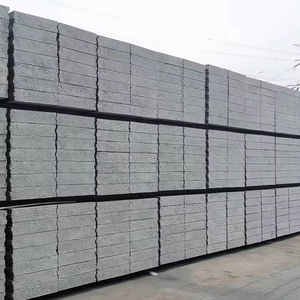
Key Properties and Benefits of White Mortar Mix
White mortar mix offers distinctive properties for specific applications. Its primary advantage is aesthetic: the pure white color allows for clean integration with light-colored bricks, stones, or tiles, and it can be tinted with pigments to achieve custom colors without the gray undertone of standard mortar.
White mortar mix typically has compressive strength and bond strength similar to standard Type N or Type S mortars, depending on the mix design. It provides good weather resistance and durability when properly cured. However, the cost is generally higher than gray mortar due to the selective raw materials and manufacturing process.
Its compatibility with restoration work is another benefit. Many historic buildings were constructed with white or light-colored mortar, and using a modern white mortar mix can replicate the original appearance while meeting current structural requirements, just as choosing the right concrete foaming agent is essential for achieving desired foam properties. Additionally, white mortar reflects more light, which can help reduce heat absorption in hot climates, though this effect is minor.
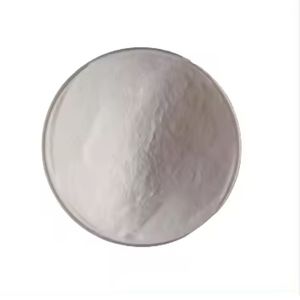
Where Should You Use White Mortar Mix?
White mortar mix is primarily used where the visual outcome of masonry is important. Common uses include laying white or light-colored bricks, natural stone veneers, and architectural concrete blocks. It is also used in chimney caps, columns, and decorative garden walls where exposed mortar joints contribute to the overall design.
In restoration projects, white mortar mix is essential for matching original mortar in historic buildings, monuments, and landmarks. It preserves the authentic appearance while providing structural integrity. Modern residential projects often use white mortar for fireplaces, outdoor kitchens, and retaining walls made of light stone.
For interior applications, white mortar can be used for tile setting in showers or backsplashes where a clean, bright look is desired, unlike lightweight concrete foaming agent which serves a completely different purpose. However, for load-bearing walls, mortar selection should be based on engineering requirements, not just color. It is also important to test the specific white mortar mix for compatibility with the masonry units to avoid cracking or staining.
Table: White Mortar Mix – Key Characteristics at a Glance
The following table summarizes the main aspects of white mortar mix, including composition, advantages, and typical applications. This overview helps builders and homeowners quickly understand the essential features of this material.
| Aspect | Description |
|---|---|
| Composition | White Portland cement, light-colored sand, lime or plasticizers; low iron content in raw materials. |
| Color | Pure white or off-white; can be tinted with pigments without gray undertones. |
| Strength | Comparable to standard Type N or Type S mortars when properly proportioned. |
| Primary Use | Decorative masonry, white brick/stone laying, historic restoration, exposed joints. |
| Cost | Higher than gray mortar due to selective raw materials and processing. |
| Curing Sensitivity | Requires clean tools, proper mixing, and protection from dirt to avoid discoloration. |
Frequently asked questions
Can white mortar mix be used for structural walls?
Yes, white mortar mix can be used for structural walls if the mix design meets the required strength specifications (e.g., Type N or Type S). However, for load-bearing applications, the mortar should be chosen based on engineering requirements, not just color.
How does white mortar mix differ from gray mortar?
The main difference is color: white mortar uses low-iron raw materials to produce a pure white or light-colored finish, while gray mortar contains iron oxides that give it a gray hue. Both can achieve similar structural properties, but white mortar is typically more expensive and requires more careful handling to avoid staining.
Can I add pigment to white mortar mix?
Yes, white mortar mix is an excellent base for adding pigments because it does not have the gray undertone of standard mortar. This allows for more accurate and vibrant custom colors. It is important to use compatible pigments and follow manufacturer guidelines for mixing.
Is white mortar mix more difficult to work with?
White mortar mix is not inherently more difficult, but it does require extra care to keep tools and mixing surfaces clean. Any dirt, rust, or debris can cause visible discoloration. Curing conditions must also be monitored to avoid efflorescence.
Concrete 4U is a supplier of Concrete Admixture with over 12 years of experience in nano-building energy conservation and nanotechnology development. It accepts payment via Credit Card, T/T, West Union and Paypal. TRUNNANO will ship the goods to customers overseas through FedEx, DHL, by air, or by sea. If you are looking for lightweight concrete relative materials, please feel free to contact us and send an inquiry.