Concrete4U | Concrete Admixtures, Tools, and Production Machines

How Are Admixtures Revolutionizing Fiber-Reinforced Concrete for Modern Siding?
1. Introduction
When you think of concrete, images of gray slabs and industrial structures might come to mind. But today’s concrete is anything but ordinary—especially when it comes to exterior home finishes. Enter fiber-reinforced concrete siding: a sleek, durable, and increasingly popular alternative to traditional wood or vinyl. What makes this innovation possible? A carefully engineered cocktail of concrete admixtures.
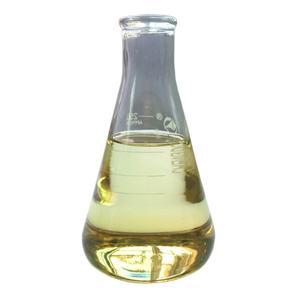
Admixtures are no longer just about making concrete pour easier—they’re enabling high-performance, aesthetically pleasing building materials that stand up to decades of sun, rain, and freeze-thaw cycles. In this article, we’ll dive into how specific admixture types are transforming fiber-reinforced concrete into the best siding solution for modern homes.
2. Why Fiber-Reinforced Concrete Needs Specialized Admixtures
Fiber-reinforced concrete (FRC) blends cement, sand, water, and reinforcement fibers—like polypropylene, steel, or even coconut fiber—to boost tensile strength and crack resistance. But adding fibers changes the game: they can reduce workability, increase water demand, and complicate surface finishing. That’s where concrete chemicals step in.
Without the right admixture used in concrete, FRC mixes would be too stiff to mold into thin, detailed panels or too prone to surface defects. The solution? Tailored combinations of plasticizer for concrete, water reducers, and other performance-enhancing additives.
3. Key Admixture Types Powering High-Performance Concrete Siding
3.1 Superplasticizers: The Workability Game-Changer
Superplasticizer in concrete—particularly polycarboxylate ether (PCE)-based superplasticizers—delivers high-range water reduction without sacrificing flow. This is critical for fiber-reinforced concrete mix designs used in precast siding panels, where low water-cement ratios improve durability but make mixing difficult.
By using a superplasticizer admixture, manufacturers achieve a smooth, self-consolidating mix that evenly distributes fibers like polypropylene fibres for concrete or steel fibers for concrete. This ensures consistent texture and structural integrity across every panel—essential for achieving that coveted ‘concrete siding that looks like wood’ finish.
3.2 Waterproofing Admixtures: Built-In Protection
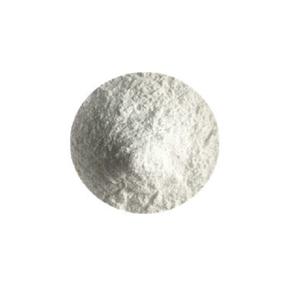
Unlike paint-on sealers, integral waterproofers become part of the concrete matrix. Crystalline waterproofing admixture and cement waterproofing additive types react with moisture to form insoluble crystals that block capillary pores.
For concrete siding exposed to rain and humidity, this built-in defense prevents water ingress, efflorescence, and freeze-thaw damage. Brands like Hardie concrete siding and CertainTeed rely on such waterproof admix formulations to meet long-term performance warranties—making waterproofing admixture for concrete a non-negotiable in quality FRC siding.
3.3 Accelerators and Retarders: Precision Curing Control
Precast concrete siding is often produced in high-volume factories where curing time directly impacts throughput. Fast curing concrete additives—like concrete accelerator—help panels reach demolding strength quickly without compromising final strength.
Conversely, surface retarder concrete or concrete retarder admixture may be used in decorative applications to delay surface set, allowing for textured finishes or exposed aggregate effects. This balance between accelerating admixtures for concrete and admixture retarder gives manufacturers fine-tuned control over production and aesthetics.
4. Supporting Roles: Air Entraining, Foaming, and More
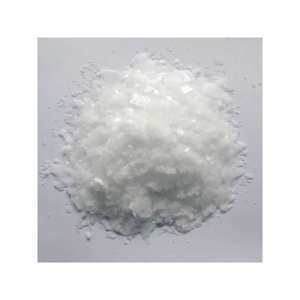
In cold climates, air entraining admixture introduces microscopic air bubbles that act as pressure relief valves during freezing—critical for concrete siding house installations in northern regions. These air entraining agents improve freeze-thaw resistance without weakening the panel.
Meanwhile, for ultra-lightweight variants, foaming agent used in foam concrete (like protein-based or synthetic CLC foaming agents) creates cellular structures that reduce weight while maintaining rigidity—ideal for large-format panels or retrofit projects where load matters.
5. Real-World Impact: Cost, Aesthetics, and Sustainability
Thanks to advanced concrete additives, modern concrete fiber siding offers compelling advantages: lower maintenance than wood, better fire resistance than vinyl, and design flexibility rivaling natural materials. Products like fibercement siding now come in charcoal stamped concrete, terra cotta concrete color, and even white concrete finishes—all made possible by colored concrete powders and compatible release agents.
While concrete siding cost may be higher upfront than basic vinyl, its lifespan (often 50+ years) and minimal upkeep deliver long-term value. And with eco-friendly mineral admixtures and recycled fibers gaining traction, FRC siding is also becoming a greener choice.
6. Conclusion
From superplasticizer admixture to crystalline waterproofing admixture, the right blend of concrete chemicals turns ordinary cement into extraordinary architectural cladding. As demand grows for durable, beautiful, and sustainable building materials, admixtures will remain the unsung heroes behind the next generation of concrete siding for homes. Whether you’re a builder, architect, or homeowner, understanding these concrete admixture types helps you choose not just the best admixture for concrete—but the best future for your façade.
Our Website founded on October 17, 2012, is a high-tech enterprise committed to the research and development, production, processing, sales and technical services of ceramic relative materials such as How. Our products includes but not limited to Boron Carbide Ceramic Products, Boron Nitride Ceramic Products, Silicon Carbide Ceramic Products, Silicon Nitride Ceramic Products, Zirconium Dioxide Ceramic Products, etc. If you are interested, please feel free to contact us.