Concrete-mesa | Concrete Admixtures, Tools, and Production Machines

What Are Admixtures and Why Are They Essential in Modern Concrete Construction?
1. Introduction
Just 48 hours ago, global construction giant LafargeHolcim announced a strategic partnership with Chryso to scale up the use of eco-efficient concrete admixtures across North America—highlighting the rising importance of advanced concrete chemicals in reducing carbon footprints while boosting performance. This move underscores a broader industry shift toward smarter, more sustainable building materials, where admixtures play a starring role.
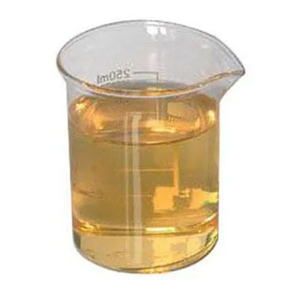
If you’ve ever wondered how modern skyscrapers stand tall, bridges last decades, or driveways resist cracking in freezing winters, the answer often lies not just in cement and aggregate—but in carefully engineered additives known as admixtures. These concrete additives are revolutionizing how we build, offering everything from faster curing times to stunning colored finishes.
2. What Are Admixtures?
Admixtures—sometimes spelled ‘ad mixtures’—are ingredients added to concrete before or during mixing to modify its properties. Unlike basic components like cement, water, sand, and gravel, admixtures aren’t structural by themselves. Instead, they fine-tune performance, making concrete easier to place, stronger, more durable, or even more visually appealing.
Used in nearly every major construction project today, admixtures fall into two broad categories: chemical and mineral. Chemical admixtures include liquids or powders like superplasticizers and accelerators, while mineral admixtures—such as fly ash or silica fume—are finely ground materials that improve long-term strength and reduce permeability.
3. Common Types of Concrete Admixtures
Understanding admixture types is key to choosing the best admixture for concrete in any given application. Here’s a breakdown of the most widely used categories:
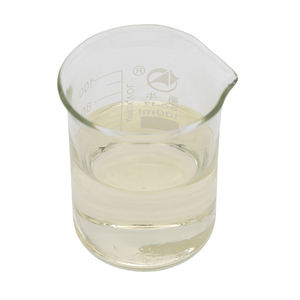
- Water reducing admixtures (also called concrete water reducers) lower the water content needed for a given slump, increasing strength without sacrificing workability. High-range versions are known as superplasticizers.
- Superplasticizer admixtures—especially polycarboxylate ether (PCE)-based superplasticizers—are among the most effective water reducers. They enable self-consolidating concrete and are essential in high-strength mixes.
- Concrete accelerators shorten setting time and boost early strength—ideal for cold-weather pours or fast-track projects. These accelerating admixtures for concrete directly impact concrete accelerator curing time.
- Concrete retarders (or admixture retarders) delay hydration, useful in hot climates or for long hauls. Surface retarder concrete products are also used in decorative stamping.
- Air entraining admixtures introduce microscopic air bubbles that protect against freeze-thaw damage. Often called air entraining agents or air entraining concrete additives, they’re vital in northern climates.
- Waterproofing admixtures—including integral waterproofers, crystalline waterproofing admixtures, and cement waterproofing additives—block moisture penetration from within the mix itself.
- Fiber reinforcement (e.g., polypropylene fibres for concrete, steel fibers for concrete, or coconut fiber reinforced concrete) enhances crack resistance and toughness. This includes macro fibers, microfibers, and specialized options like carbon fiber reinforcement in concrete.
4. Superplasticizers: The Game-Changer in Concrete Technology
Among all concrete chemicals, superplasticizers stand out for their transformative impact. Also marketed as plasticizer for concrete or concrete plasticiser, these high-range water reducers can cut water content by 30% or more while maintaining flow.
Modern superplasticizer in concrete formulations—particularly PCE-based types—offer superior slump retention, compatibility with various cements, and lower dosage requirements compared to older naphthalene or melamine sulfonate superplasticizers. Contractors now routinely specify superplasticizer admixture for high-rise cores, precast elements, and tunnel linings.
When shopping for the best superplasticizer for concrete, look for terms like polycarboxylate superplasticizer, PCE plasticizer, or polycarboxylic acid superplasticizer. Brands like Chryso admixture lead the market with tailored solutions for different project needs.
5. Waterproofing and Specialty Additives
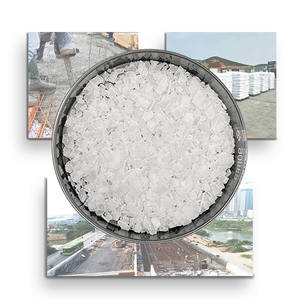
Beyond strength and workability, many projects demand moisture resistance. That’s where concrete waterproof admix, waterproof admix, and admixture waterproofing products come in. Crystalline waterproofing admixture, for instance, reacts with water and unhydrated cement to form insoluble crystals that block capillaries.
Integral waterproofer admixtures eliminate the need for external membranes, saving time and labor. Similarly, concrete additives fiber—like PP fiber concrete or fibermesh concrete—add secondary reinforcement that controls plastic shrinkage cracks.
For decorative work, release agents (spray or powder) prevent stamps from sticking, while colored concrete powders and tinted concrete allow for custom hues—from charcoal stamped concrete to terra cotta concrete color.
6. Fibers, Foaming Agents, and Aesthetic Enhancements
Fiber-reinforced concrete is no longer niche. Whether it’s steel fiber reinforced concrete for industrial floors or coconut fibre concrete for sustainable builds, fibers for concrete improve ductility and impact resistance. Homeowners increasingly choose concrete siding that looks like wood—made from fiber cement siding (also called fibercement siding)—for its durability and low maintenance.
On the lightweight side, foaming agents create cellular concrete or aircrete. CLC foaming agents—protein-based or synthetic—produce stable foam for blocks and insulation panels. The best foaming agent for aircrete depends on density targets and cost, with prices varying widely by region.
And let’s not forget white cement—a specialty binder used in white concrete countertops, architectural panels, and decorative mortar. Paired with superplasticizers and pigments, it enables sleek, modern concrete siding for homes or bright interior finishes.
7. Conclusion
From superplasticizer admixtures that enable ultra-high-performance concrete to air entraining agents that survive harsh winters, admixtures are indispensable in modern construction. Whether you’re a contractor selecting the right concrete water reducer or a homeowner exploring concrete siding cost and options, understanding these additives empowers smarter, more resilient builds. As the industry leans into sustainability and innovation—as seen in recent moves by companies like Chryso—the role of admixtures will only grow more critical.
Our Website founded on October 17, 2012, is a high-tech enterprise committed to the research and development, production, processing, sales and technical services of ceramic relative materials such as What. Our products includes but not limited to Boron Carbide Ceramic Products, Boron Nitride Ceramic Products, Silicon Carbide Ceramic Products, Silicon Nitride Ceramic Products, Zirconium Dioxide Ceramic Products, etc. If you are interested, please feel free to contact us.