Concrete4U | Concrete Admixtures, Tools, and Production Machines

What Are Admixtures and How Do They Transform Modern Concrete?
1. Introduction
Just 24 hours ago, the American Concrete Institute (ACI) announced new sustainability guidelines emphasizing low-carbon admixtures to reduce the environmental footprint of concrete—a move that’s accelerating global adoption of advanced concrete chemicals like polycarboxylate ether-based superplasticizers and crystalline waterproofing admixtures.
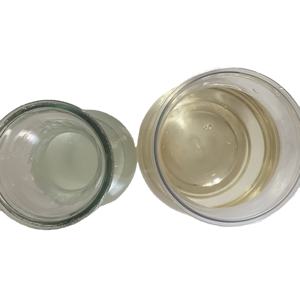
If you’ve ever wondered why modern concrete can be poured like pancake batter yet harden into rock-solid structures—or why some sidewalks survive decades of freeze-thaw cycles without cracking—you’re seeing the magic of admixtures at work.
Admixtures are materials added to concrete before or during mixing to modify its properties. Far from being optional extras, they’re essential tools that empower engineers, architects, and DIYers to tailor concrete performance for everything from skyscrapers to backyard patios.
2. What Are Admixtures?
Admixtures—sometimes spelled ‘ad mixtures’—are ingredients other than water, cement, aggregates, and fiber reinforcement that are added to concrete to enhance specific characteristics. These can be chemical compounds or mineral powders, used in small quantities but with massive impact.
The term ‘concrete admixture’ covers a wide spectrum, including plasticizers, accelerators, retarders, waterproofers, and more. Whether you call them ‘concrete additives,’ ‘cement admixtures,’ or simply ‘concrete chemicals,’ their role is to make concrete smarter, stronger, and more adaptable.
3. Major Types of Concrete Admixtures
3.1 Water-Reducing Admixtures
Water reducing admixtures, often called ‘concrete water reducers,’ lower the water content needed for a given slump (workability). This boosts strength and durability without sacrificing pourability.
Among these, superplasticizers stand out. Also known as ‘high-range water reducers,’ superplasticizers like polycarboxylate ether (PCE) can cut water use by up to 40%. You’ll see terms like ‘superplasticizer in concrete,’ ‘PCE superplasticizer,’ or ‘best superplasticizer for concrete’ in technical specs—these refer to advanced formulations that deliver ultra-fluid mixes ideal for complex forms or self-consolidating concrete.
- Common types include naphthalene-based, melamine-based, and modern PCE-based superplasticizers.
- Benefits: higher compressive strength, reduced permeability, improved finish.
3.2 Set-Modifying Admixtures
Need concrete to cure faster? Use an accelerating admixture. Working in hot weather or needing a quick turnaround? A concrete retarder slows hydration.
Concrete accelerators shorten curing time—critical for fast-track projects or cold-weather pours. Conversely, a concrete retarder admixture (or surface retarder concrete for decorative work) delays setting, giving crews more time to finish intricate stamped patterns.
These are vital when balancing logistics and climate. For example, ‘concrete accelerator curing time’ can be slashed by 50% with the right additive.
3.3 Air-Entraining Admixtures
Air entraining concrete contains microscopic air bubbles created by air entraining admixtures (also called air entraining agents). These bubbles act as pressure relief valves during freezing, preventing internal cracking.
Essential in cold climates, ‘air entraining cement’ improves freeze-thaw resistance dramatically. Look for terms like ‘air entraining concrete’ or ‘air entraining admixture’ on product labels if durability in harsh weather is your goal.
3.4 Waterproofing and Integral Additives
Waterproofing admixtures make concrete inherently resistant to moisture penetration. Options include integral waterproofers, crystalline waterproofing admixtures, and cement waterproofing additives.
A ‘concrete waterproofing additive’ reacts with free lime and moisture to form insoluble crystals that block capillaries. Unlike surface sealers, these work from within—ideal for basements, tunnels, and water tanks. Brands like Chryso offer specialized ‘waterproofing admixture for concrete’ solutions trusted worldwide.
4. Fiber Reinforcement and Specialty Additives
Beyond chemicals, fibers are a major class of admixtures. Fibers for concrete—such as polypropylene fibres, steel fibers, or even coconut fiber—enhance tensile strength, reduce cracking, and improve impact resistance.
Fiber reinforced concrete is now standard in industrial floors, shotcrete, and precast elements. Products like Fibermesh integrate ‘reinforcement fiber for concrete’ directly into the mix. Carbon fiber reinforced concrete pushes performance even further, enabling ultra-thin structural elements.
Don’t confuse this with siding! While ‘concrete fiber siding’ (e.g., Hardie or Certainteed products) uses fiber-cement composites for exterior cladding, it’s unrelated to structural concrete mixes—though both benefit from fiber technology.
5. Other Functional Admixtures
Foaming agents create lightweight cellular concrete (aircrete) for insulation blocks. Colored concrete relies on pigments and release agents for stamped finishes—think ‘charcoal stamped concrete’ or ‘terra cotta concrete color.’ White cement enables bright countertops and architectural features.
Even release agents—like ‘concrete form release oil’ or ‘spray release agent’—are technically admixtures when used in casting. And let’s not forget DIY favorites: ‘homemade foaming agent for concrete’ experiments are trending among eco-builders.
6. Choosing the Best Admixture for Concrete
There’s no universal ‘best admixture for concrete’—it depends on your project. Need flow? Go for a superplasticizer admixture. Building in Alaska? Prioritize air entraining. Pouring a pool? Crystalline waterproof admix is key.
Always consider compatibility. For instance, some ‘accelerating admixtures for concrete’ can interfere with certain superplasticizers. Consult technical data sheets (often called ‘bio data sheet’ in Europe) and follow manufacturer guidelines.
7. Conclusion
From superplasticizers that revolutionize workability to fibers that prevent cracks and waterproofers that guard against decay, admixtures are the unsung heroes of modern concrete. As sustainability drives innovation—like low-carbon PCE formulas or bio-based foaming agents—the future of concrete is smarter, greener, and more versatile than ever.
Whether you’re a contractor specifying ‘polycarboxylate concrete admixture’ or a homeowner choosing ‘concrete siding that looks like wood,’ understanding admixtures empowers better decisions—and better builds.
Our Website founded on October 17, 2012, is a high-tech enterprise committed to the research and development, production, processing, sales and technical services of ceramic relative materials such as What. Our products includes but not limited to Boron Carbide Ceramic Products, Boron Nitride Ceramic Products, Silicon Carbide Ceramic Products, Silicon Nitride Ceramic Products, Zirconium Dioxide Ceramic Products, etc. If you are interested, please feel free to contact us.