Concrete-mesa | Concrete Admixtures, Tools, and Production Machines

Superplasticizers vs. Traditional Water Reducers: Which Concrete Admixture Delivers Better Performance?
1. Introduction
Just 24 hours ago, a major infrastructure project in Texas made headlines by switching from conventional naphthalene-based superplasticizers to next-gen polycarboxylate ether (PCE) formulations to reduce cracking in high-rise foundations. This shift underscores a growing industry trend toward high-performance concrete admixtures that offer better flow, durability, and sustainability.
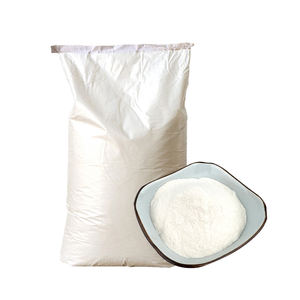
Concrete isn’t just cement, sand, and water anymore. Today’s mixes rely heavily on chemical helpers—known as admixtures—to fine-tune performance. From speeding up curing to repelling water or adding air bubbles for freeze-thaw resistance, these concrete additives are essential. But with so many options, how do you pick the right one?
2. Understanding Admixtures and Their Role
Admixtures are materials added to concrete before or during mixing to modify its properties. They fall into two broad categories: chemical and mineral. Chemical admixtures include superplasticizers, accelerators, retarders, and air-entraining agents. Mineral admixtures—like fly ash or silica fume—enhance long-term strength and durability.
The most widely used chemical admixtures today are water-reducing types, especially superplasticizers. These dramatically increase workability without adding extra water—a key factor since excess water weakens concrete.
3. Naphthalene-Based Superplasticizers: The Old Workhorse
Naphthalene sulfonate formaldehyde condensate (SNF) has been a go-to plasticizer for concrete for decades. Often called ‘naphthalene-based superplasticizer,’ it’s a mid-range water reducer that can cut water content by 10–15%.
Pros:
- Cost-effective and widely available
- Good slump retention for short hauls
- Compatible with most cement types
Cons:
- Shorter slump life compared to newer options
- Can cause rapid slump loss in hot weather
- Higher dosage needed for high-flow mixes
While still used in precast and standard pours, SNF is losing ground to more advanced solutions, especially where high-range water reduction is needed.
4. Polycarboxylate Ether (PCE) Superplasticizers: The Modern Standard
Polycarboxylate ether (PCE) superplasticizers represent the latest evolution in concrete chemistry. These are high-range water reducers capable of cutting water content by 25–40% while maintaining excellent flow.
Unlike older types, PCE molecules have a comb-like structure that provides steric hindrance—keeping cement particles apart without relying solely on electrostatic repulsion. This results in superior workability and stability.
Advantages of PCE-based superplasticizer admixture include:
- Exceptional slump retention (up to 90+ minutes)
- Lower dosage requirements
- Better compatibility with supplementary cementitious materials (SCMs)
- Enables self-consolidating concrete (SCC)
However, PCE can be sensitive to cement chemistry and may require trial batches. It’s also typically more expensive than SNF—but often worth the investment for critical applications.
5. Beyond Flow: Other Key Admixture Types
While superplasticizers dominate discussions, other admixtures play vital roles:
Concrete accelerator: Speeds up setting and early strength gain—ideal for cold weather or fast-track projects. Commonly used accelerating admixtures for concrete include calcium chloride (non-corrosive alternatives preferred for reinforced structures).
Concrete retarder: Delays setting time, useful in hot climates or for long-distance deliveries. Surface retarder concrete products even allow decorative stamping by keeping the surface soft longer.
Air entraining admixture: Introduces microscopic air bubbles to improve freeze-thaw resistance. Essential in northern climates, this air entraining agent creates durable, resilient concrete.
Waterproofing admixture: Includes integral waterproofers and crystalline waterproofing admixtures that block capillary pores. A concrete waterproofing additive like a cement waterproofing additive can eliminate the need for external membranes.
6. Specialty Additives: Fibers, Foaming Agents, and More
Fiber reinforcement is another frontier. Polypropylene fibres for concrete, steel fibers for concrete, and even coconut fiber reinforced concrete enhance crack resistance and impact strength. Fiber reinforced concrete is now standard in industrial floors, tunnels, and seismic zones.
For lightweight applications, foaming agents create cellular concrete. Protein-based foaming agents and synthetic foaming agents produce stable foam for CLC blocks or insulation fills. The best foaming agent for aircrete depends on density targets and equipment type.
And let’s not forget aesthetics: colored concrete, stamped concrete colors, and release agents like powder release agent for concrete enable beautiful, durable finishes without paint or coatings.
7. Choosing the Best Admixture for Concrete
There’s no universal ‘best admixture for concrete’—it depends on your goals. Need high strength and pumpability? Go with a PCE superplasticizer. Working in freezing temps? Prioritize an air entraining concrete solution. Pouring a basement wall? Consider a crystalline waterproofing admixture.
Always consult technical data sheets (sometimes called bio data sheets in error) and run compatibility tests. Brands like Chryso admixture offer tailored solutions, but generic options from Home Depot or local suppliers can work for simpler jobs.
8. Conclusion
The world of concrete admixtures has evolved far beyond simple plasticizers. While naphthalene-based water reducers still have a place, polycarboxylate superplasticizers now lead in performance-critical applications. Combined with accelerators, retarders, air-entrainers, waterproofers, and fibers, today’s concrete chemicals empower builders to engineer smarter, stronger, and more sustainable structures. Whether you’re pouring a driveway or a skyscraper foundation, understanding admixture types ensures your mix performs exactly as needed.
Our Website founded on October 17, 2012, is a high-tech enterprise committed to the research and development, production, processing, sales and technical services of ceramic relative materials such as Superplasticizers. Our products includes but not limited to Boron Carbide Ceramic Products, Boron Nitride Ceramic Products, Silicon Carbide Ceramic Products, Silicon Nitride Ceramic Products, Zirconium Dioxide Ceramic Products, etc. If you are interested, please feel free to contact us.