Concrete-mesa | Concrete Admixtures, Tools, and Production Machines

What Are Anti-Spall Fibers for Concrete Pavements? A Practical Guide to Fire Safety
A Story from the Field
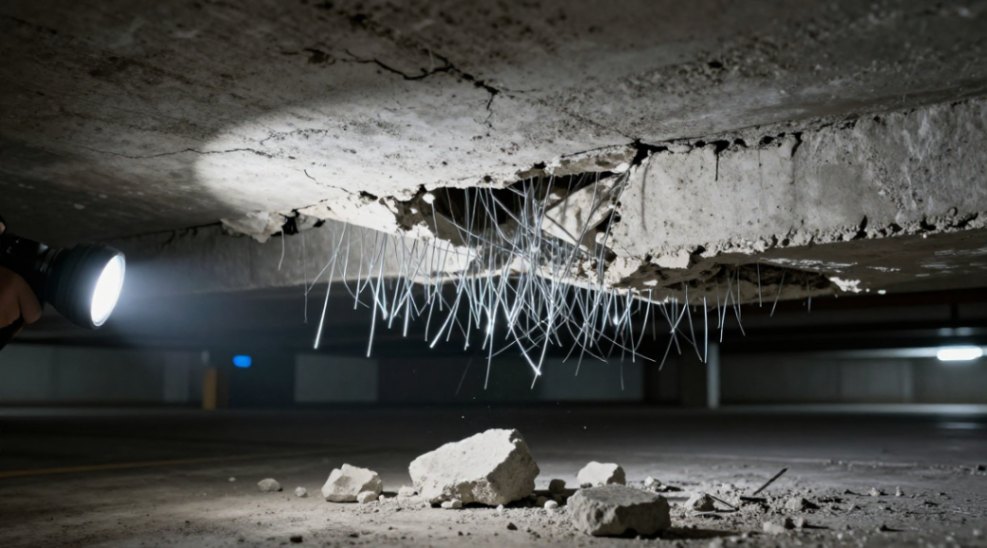
Years ago, I was called to inspect a parking garage after a car fire. The concrete ceiling had fractured violently. Chunks of concrete, some fist-sized, littered the ground. This wasn’t just damage. It was explosive spalling – a silent threat in concrete structures during fires. My client asked a simple question: “How do we stop this from happening again?” The answer we implemented? Anti-spall fibers for concrete pavements. They are not magic. They are intelligent engineering. Let’s break down exactly what they are and why they matter.
Defining Anti-Spall Fibers for Concrete Pavements
Anti-spall fibers are short, synthetic microfibers added directly to the concrete mix. Their primary job is to stop explosive spalling during a fire. Spalling happens when trapped moisture in concrete turns to steam under intense heat. The pressure builds until the concrete surface literally explodes. These fibers melt at controlled temperatures, creating tiny channels. These channels relieve the internal steam pressure, preventing that violent failure.
How exactly do they prevent spalling?
The mechanism is clever. As a fire heats the concrete, these fibers – typically made from polypropylene – melt. This happens around 160°C (320°F). The melted fiber leaves a network of micro-sized pathways throughout the concrete matrix. When pore water turns to steam, the pressure escapes through these channels instead of building up. No pressure buildup means no explosive popping. The concrete surface stays intact, maintaining its structural integrity far longer. This gives people more time to evacuate and firefighters a safer environment.
Your Top Questions on Anti-Spall Fibers, Answered
1. Are anti-spall fibers a replacement for steel rebar or mesh?
Absolutely not. Think of them as a specialized team for a specific emergency. Steel reinforcement provides long-term tensile strength and load-bearing capacity. Anti-spall fibers for concrete pavements are a passive fire protection system. They work together. In fact, using fibers helps protect the steel from direct fire exposure by keeping the concrete cover in place. This preserves the steel’s strength. Many engineers on forums like Reddit’s r/civilengineering emphasize this point: “Fibers are for fire, rebar is for structure. Use both where fire ratings are required.”
2. What materials are these fibers made from?
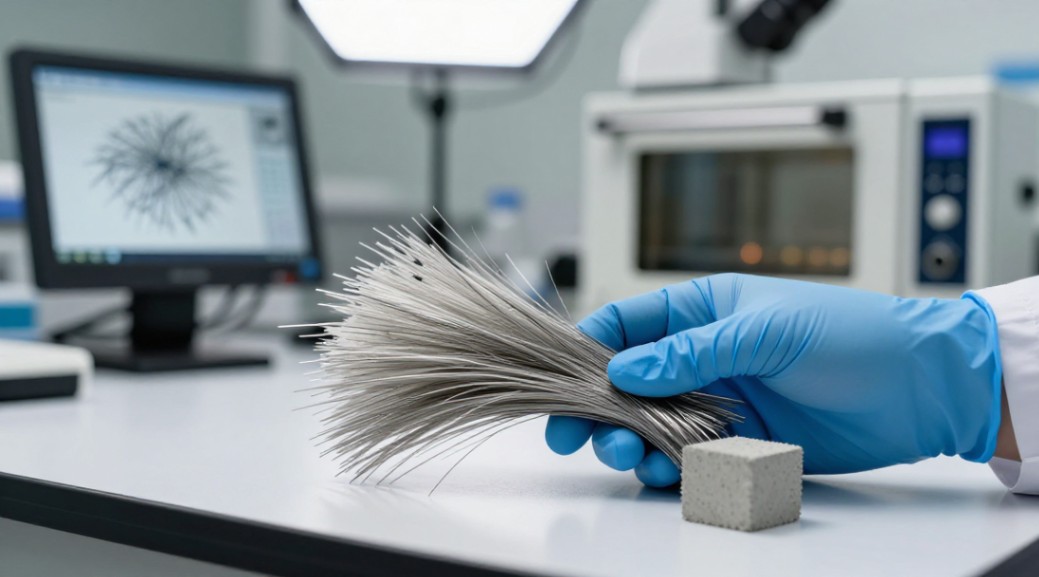
The most common and cost-effective material is polypropylene. It’s the industry standard for fire protection. Other materials include nylon and Polyvinyl Alcohol (PVA). PVA fibers offer some additional benefits, like slight residual strength after melting, but polypropylene remains the go-to for pure spalling prevention due to its predictable melting point and reliability.
3. Where are anti-spall fibers required or used?
Any concrete pavement where human safety and structural survival during a fire are paramount. Key applications include:
- Tunnels: Closed environments where spalling can be catastrophic.
- Parking Garages: Vehicle fires are a real risk.
- Airport Aprons & Taxiways: Critical infrastructure that must remain operational.
- Underground Stations & Subways: High-density people movement.
A project manager for a major tunnel retrofit recently shared: “After adding polypropylene fibers to our mix spec, our fire resistance tests passed with flying colors. It was the most cost-effective insurance policy for the design.”
4. How are they added to concrete?
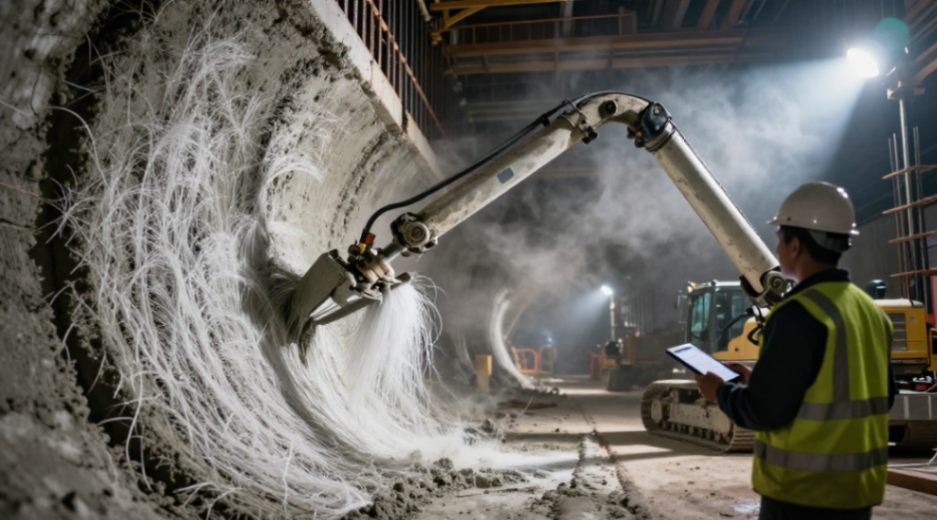
The process is straightforward but needs care. The fibers are batched directly with the other concrete ingredients – cement, aggregates, water – at the ready-mix plant. They disperse throughout the mix during normal drum rotation. No special on-site placement is needed, unlike wire mesh which requires precise positioning. This simplifies construction and reduces labor.
5. What about dosage and design?
Dosage is critical. Too few fibers won’t create an effective channel network. Too many can affect workability. Typical dosage rates for anti-spall fibers range from 1.0 to 3.0 kilograms per cubic meter of concrete. The exact amount depends on the concrete mix design, required fire rating, and thickness of the element. Always follow the fiber manufacturer’s guidelines and validate with testing. A good starting point for solving a spalling concern is to consult with a fiber supplier to review your specific mix design and fire rating goals.
6. Are there tests to prove they work?
Yes. Standards like ASTM E119, ISO 834, or the more severe Rijkswaterstaat (RWS) curve for tunnels govern fire resistance testing. Concrete slabs with and without fibers are subjected to standardized fire curves in a furnace. Engineers measure the time until spalling occurs, the depth of damage, and the residual strength. Compliant fibers will demonstrate a clear, measurable suppression of spalling.
Looking to the Future and Your Next Steps
The technology continues to evolve. We now see hybrid fibers that combine fire protection with post-crack durability. Research into fiber shape and coating enhances dispersion and bonding. The core principle remains: passive fire safety saves lives.
If you’re designing or maintaining a concrete pavement in a tunnel, garage, or similar structure, my strong recommendation is to prioritize a fire review. Assess the spalling risk based on your concrete mix and environment. For most high-risk applications, specifying a tested dosage of polypropylene anti-spall fibers is a proven, non-negotiable step. It’s a simple addition to the mix that provides an immense layer of safety and durability. Your first action should be to talk to a reputable concrete or fiber specialist who can guide you through testing and specification. You’re not just pouring concrete; you’re building resilience.
Supplier
We are the global leader in lightweight concrete and advanced engineered foam solutions. Known globally for its commitment to research, innovation, and applied expertise, we have been providing engineered foam solutions since the early 2012’s.
We can supply high-quality concrete admixture and foam concrete related products all over the world.
The company has a professional technical department and quality supervision department, a well-equipped laboratory, and equipped with advanced testing equipment and after-sales customer service center.
If you are interested, please feel free and contact us.