Concrete4U | Concrete Admixtures, Tools, and Production Machines

How to Choose and Use the Best Concrete Admixtures for Your Project
1. Introduction
Just 24 hours ago, a major construction firm in Texas reported significant delays due to unexpected cold weather slowing concrete curing times on a highway expansion project. Their solution? Switching to accelerating admixtures for concrete that cut curing time by over 40%. This real-world example highlights how critical the right admixture can be—not just for performance, but for staying on schedule and budget.
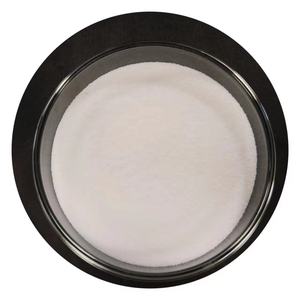
Whether you’re pouring a backyard patio or managing a commercial build, understanding concrete admixtures can make or break your results. In this guide, you’ll learn how to choose and use the best admixture for concrete based on your goals—be it faster setting, better flow, enhanced durability, or waterproofing.
2. Understanding Admixture Types
Concrete admixtures are chemical or mineral additives mixed into concrete to modify its properties. They fall into two main categories: chemical admixtures and mineral admixtures. Chemical admixtures include superplasticizers, accelerators, retarders, and air-entraining agents. Mineral admixtures—like fly ash or silica fume—improve long-term strength and reduce permeability.
- Water reducing admixtures (including mid-range and high-range types) improve workability without adding extra water.
- Superplasticizer admixture (often polycarboxylate ether-based) is the go-to for high-flow, low-water mixes.
- Concrete accelerator speeds up early strength gain—ideal for cold weather or fast-track projects.
- Concrete retarder admixture delays setting time, useful in hot climates or complex pours.
- Air entraining admixture introduces tiny air bubbles to boost freeze-thaw resistance.
- Waterproofing admixture (like crystalline or integral waterproofer) blocks moisture penetration.
3. Step-by-Step: Selecting the Right Admixture
3.1 Identify Your Primary Need
Ask yourself: What’s the biggest challenge with your concrete mix? Is it too stiff? Setting too fast? Prone to cracking? For example, if you need a smooth finish on stamped concrete, a plasticizer for concrete (or superplasticizer in concrete) will give you the fluidity needed without weakening the mix.
3.2 Match the Admixture to Conditions
Hot weather? Use a concrete retarder or surface retarder concrete to prevent flash setting. Cold weather? Opt for accelerating admixtures for concrete or fast curing concrete additives. Pouring underwater or in damp soil? A concrete waterproofing additive or cement waterproofing additive is essential.
3.3 Consider Compatibility
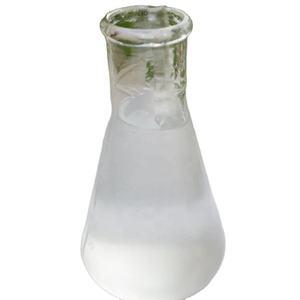
Not all admixtures play well together. For instance, combining certain superplasticizers with air-entraining agents can cause excessive foaming. Always check manufacturer guidelines—brands like Chryso admixture provide detailed compatibility charts.
4. Common Problems and Practical Fixes
4.1 Problem: Concrete Is Too Stiff to Work With
Solution: Add a superplasticizer admixture. Polycarboxylate ether (PCE) superplasticizers are highly effective water reducers that maintain strength while boosting flow. Use 0.5–2% by weight of cement. Mix thoroughly for at least 2 minutes after addition.
4.2 Problem: Cracks Appearing During Curing
Solution: Incorporate fibers for concrete—polypropylene fibres for concrete or steel fibers for concrete—to control shrinkage cracks. These act as micro-reinforcement. Also, consider an air entraining agent to improve internal stress distribution.
4.3 Problem: Water Seeping Through Slabs or Walls
Solution: Use a crystalline waterproofing admixture or integral waterproofer. These react with cement to form insoluble crystals that block capillaries. Apply at 1–2% dosage during batching—no extra labor needed post-pour.
4.4 Problem: Slow Strength Gain in Cold Weather
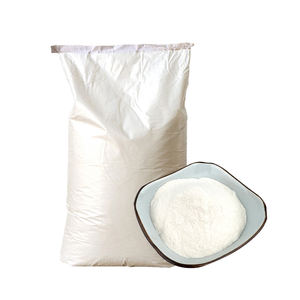
Solution: Add a concrete accelerator. Calcium chloride-based accelerators work fast but aren’t suitable for reinforced concrete due to corrosion risk. Non-chloride options (like nitrates) are safer and still reduce concrete accelerator curing time significantly.
5. Pro Tips for Mixing and Application
Always add admixtures to the mix water before introducing cement. This ensures even dispersion. Never exceed recommended dosages—overuse of super plasticizers can cause segregation or delayed setting.
For colored concrete or stamped concrete colors, ensure your release agent (powder or spray) doesn’t interfere with admixture chemistry. Water-based release agents are generally safer with modern chemical admixtures.
When using fiberfor concrete (like macro fibers or coconut fiber reinforced concrete), pre-blend fibers with aggregates to avoid clumping. Fibermesh concrete systems often come pre-packaged for easy integration.
6. Conclusion
Choosing the right admixture used in concrete isn’t just about following a recipe—it’s about solving real-world problems with smart chemistry. From superplasticizer for cement to waterproof admix for basements, the best admixture for concrete depends entirely on your environment, timeline, and performance goals. By matching your challenge to the correct concrete chemicals—whether it’s a concrete water reducer, air entraining concrete additive, or cement admixture—you’ll achieve stronger, more durable, and easier-to-place concrete every time.
Our Website founded on October 17, 2012, is a high-tech enterprise committed to the research and development, production, processing, sales and technical services of ceramic relative materials such as How. Our products includes but not limited to Boron Carbide Ceramic Products, Boron Nitride Ceramic Products, Silicon Carbide Ceramic Products, Silicon Nitride Ceramic Products, Zirconium Dioxide Ceramic Products, etc. If you are interested, please feel free to contact us.