Concrete4U | Concrete Admixtures, Tools, and Production Machines

How to Choose and Use the Best Concrete Admixtures for Every Project
1. Introduction
Just 24 hours ago, a major infrastructure project in Texas halted due to unexpected concrete cracking—traced back to improper use of a concrete retarder during high summer temperatures. This real-world incident highlights why understanding admixtures isn’t just technical jargon—it’s essential for success. Whether you’re pouring a driveway, building a foundation, or crafting decorative stamped concrete, the right admixture can make or break your results.
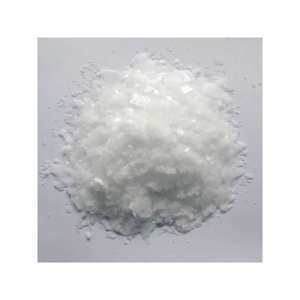
Concrete admixtures are chemical or mineral additives mixed into concrete to enhance its properties. From improving flow with a superplasticizer to speeding up curing with a concrete accelerator, these concrete chemicals solve real problems on job sites every day. In this guide, we’ll walk you through how to choose, apply, and troubleshoot the most common admixture types.
2. Understanding Common Admixture Types
Not all admixtures are created equal. Knowing what each type does helps you pick the best admixture for concrete in your specific scenario.
2.1 Water-Reducing Admixtures
Water reducing admixtures, including mid-range and high-range options like superplasticizer, cut water content without sacrificing workability. A superplasticizer in concrete can reduce water by up to 30%, boosting strength and durability. Polycarboxylate ether (PCE)-based superplasticizers are now the gold standard due to their efficiency and compatibility with modern cement blends.
- Use superplasticizer admixture when you need high-strength, low-permeability concrete.
- Avoid overdosing—too much superplasticizer can cause segregation or excessive slump loss.
2.2 Accelerating and Retarding Admixtures
Concrete accelerator admixtures shorten setting time—ideal for cold weather or fast-track projects. On the flip side, a concrete retarder delays hydration, useful in hot climates or for large pours where you need more working time. Surface retarder concrete products are also used in exposed-aggregate finishes.
Always match the admixture retarder or accelerator to ambient conditions. For example, accelerating admixtures for concrete shouldn’t be used with sulfate-resistant cements without checking compatibility.
2.3 Air-Entraining Admixtures
Air entraining concrete contains microscopic air bubbles that improve freeze-thaw resistance. An air entraining admixture (or air entraining agent) is critical in regions with harsh winters. Look for products labeled as air entraining cement additives if durability in cold climates is a priority.
2.4 Waterproofing Admixtures
Need long-term moisture protection? Crystalline waterproofing admixture or integral waterproofer creates a barrier within the concrete matrix itself. Unlike surface sealers, these concrete waterproofing additives react with cement to block capillary pores permanently. Cement waterproofing additive and waterproof admix options are especially useful for basements, tanks, and foundations.
3. Fiber Reinforcement: Beyond Traditional Rebar
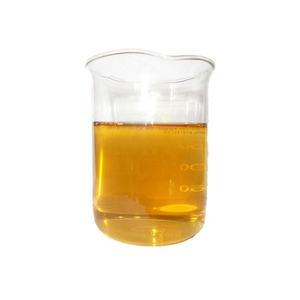
Fiber reinforced concrete uses fibers like polypropylene, steel, or even coconut fiber to control cracking and boost impact resistance. Polypropylene fibres for concrete are popular in slabs and pavements, while steel fibers for concrete excel in industrial floors and shotcrete.
Macro fibers and microfibers serve different purposes: macro fibers provide structural reinforcement, while microfibers (like concrete microfiber) reduce plastic shrinkage cracks. Brands like Fibermesh offer ready-to-use fiberfor concrete mixes.
Don’t confuse concrete fiber siding (a cladding product) with fiber reinforcement—the former is used on home exteriors (e.g., Hardie or CertainTeed concrete siding), while the latter strengthens the concrete itself.
4. Specialized Additives for Decorative and Lightweight Concrete
4.1 Coloring and Stamping
Colored concrete relies on pigments and release agents. Use powder concrete colorants or liquid tinted concrete systems with a concrete release agent (like spray release or powder release agent) to prevent stamps from sticking. Popular stamped concrete colors include charcoal, terra cotta, and grey stamped concrete variants.
4.2 Foaming Agents for Lightweight Concrete
For cellular lightweight concrete (CLC) or foamcrete, a concrete foaming agent is essential. Protein-based or synthetic foaming agents create stable air bubbles, reducing density. CLC foaming agent price varies, but effectiveness depends on foam stability—not just cost. Never use homemade foaming agent for concrete in structural applications.
5. Step-by-Step: How to Add Admixtures Correctly
5.1 Read the Bio Data Sheet
Every admixture comes with a technical data sheet. Check dosage rates, compatibility, and mixing instructions. For example, polycarboxylate superplasticizer must often be added after water, not with cement.
5.2 Measure Precisely
Overdosing a water reducer or superplasticizer can ruin a batch. Use calibrated dispensers—never guess.
5.3 Mix Thoroughly
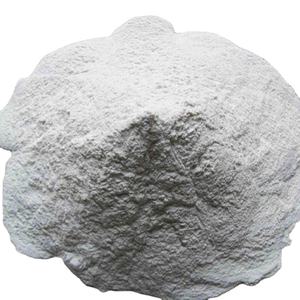
Add admixtures during mixing, not after. For fiber reinforced concrete mix, extend mixing time by 2–3 minutes to ensure even dispersion.
5.4 Test Before Full Pour
Run a small trial batch to check slump, set time, and finishability—especially when combining multiple admixtures like a concrete accelerator and air entraining agent.
6. Troubleshooting Common Problems
Problem: Concrete set too fast. Solution: You likely used too much concrete accelerator or skipped a concrete retarder admixture in hot weather.
Problem: Surface dusting or scaling. Cause: Insufficient air entraining in freeze-thaw zones.
Problem: Poor stamp definition. Fix: Use a quality concrete stamp release agent and avoid over-troweling.
7. Conclusion
Choosing the right admixture used in concrete isn’t about using the most—it’s about using the right one at the right dose. Whether you need a superplasticizer for high-performance pours, an integral waterproofer for wet environments, or polypropylene fibre for crack control, understanding concrete admixture types empowers better builds. Always consult manufacturer guidelines, test small batches, and never treat admixtures as optional extras—they’re essential tools in modern concrete work.
Our Website founded on October 17, 2012, is a high-tech enterprise committed to the research and development, production, processing, sales and technical services of ceramic relative materials such as How. Our products includes but not limited to Boron Carbide Ceramic Products, Boron Nitride Ceramic Products, Silicon Carbide Ceramic Products, Silicon Nitride Ceramic Products, Zirconium Dioxide Ceramic Products, etc. If you are interested, please feel free to contact us.