Concrete4U | Concrete Admixtures, Tools, and Production Machines

Master the Essentials of Concrete Admixtures for Superior Construction Performance
1. Introduction
In a major development just 24 hours ago, global construction chemical leader Chryso announced a new generation of eco-friendly polycarboxylate ether (PCE) superplasticizers designed to reduce carbon footprint while enhancing concrete flowability. This innovation underscores the growing importance of high-performance admixtures in sustainable infrastructure projects worldwide.
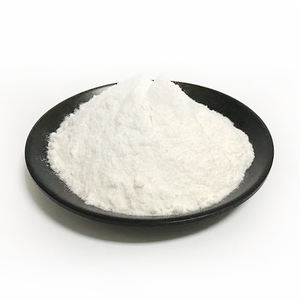
Concrete admixtures are indispensable in modern construction, enabling engineers and contractors to tailor concrete properties to specific project demands. Whether improving workability, accelerating curing, or adding waterproofing capabilities, these chemical and mineral additives—collectively known as admixtures—play a pivotal role in achieving durable, efficient, and cost-effective structures.
2. Understanding Admixtures
Admixtures are materials other than water, aggregates, and cement added to concrete during mixing to modify its properties. They can be broadly classified into chemical and mineral categories, each serving distinct purposes in the concrete matrix.
2.1. Chemical Admixtures
Chemical admixtures include liquid or powder formulations that influence setting time, strength development, and workability. Common examples include superplasticizers, accelerators, retarders, and air-entraining agents.
- Superplasticizer admixture: Dramatically increases fluidity without adding water.
- Concrete accelerator: Reduces initial setting time for fast-track projects.
- Concrete retarder admixture: Delays hardening in hot weather or long-haul deliveries.
- Air entraining admixture: Introduces microscopic air bubbles to improve freeze-thaw resistance.
2.2. Mineral Admixtures
Mineral admixtures like fly ash, silica fume, and ground granulated blast-furnace slag are pozzolanic materials that enhance long-term strength and reduce permeability. They also contribute to sustainability by replacing a portion of Portland cement.
3. Key Admixture Types and Their Functions
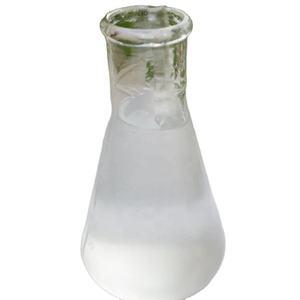
3.1. Water-Reducing Admixtures
Water reducing admixtures, including mid-range and high-range variants, allow for lower water-cement ratios, boosting strength and durability. The most effective among these are superplasticizers—especially polycarboxylate-based formulations—which function as high-range water reducers.
Superplasticizer in concrete can reduce water content by up to 40% while maintaining excellent slump. This makes them ideal for self-consolidating concrete and high-strength applications.
3.2. Accelerating and Retarding Admixtures
Accelerating admixtures for concrete shorten curing time, crucial for cold-weather concreting or emergency repairs. Conversely, an admixture retarder—such as a surface retarder concrete product—extends workability, preventing premature stiffening.
Concrete accelerator curing time can be cut by 50% or more, significantly speeding up formwork removal and project timelines.
3.3. Air Entraining and Waterproofing Additives
Air entraining concrete contains tiny, stable air voids created by air entraining agents. These voids relieve internal pressure during freezing, preventing cracking—a vital feature in northern climates.
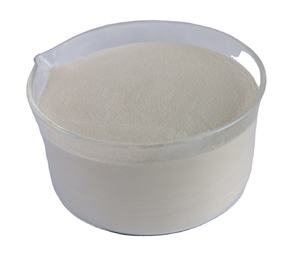
For moisture control, integral waterproofers and crystalline waterproofing admixtures provide long-term protection. A concrete waterproofing additive like a cement waterproofing additive reacts with free lime to form insoluble crystals that block capillary pores.
Waterproof admix solutions are increasingly preferred over topical sealers due to their permanent, integral action within the concrete matrix.
4. Advanced Admixtures: Fibers and Foaming Agents
4.1. Fiber Reinforcement
Fibers for concrete—including polypropylene fibres for concrete, steel fibers for concrete, and even coconut fiber reinforced concrete—enhance tensile strength, crack resistance, and impact toughness. Fiber reinforced concrete is now standard in industrial floors, shotcrete, and seismic zones.
Macro fibers and microfibers serve different roles: macro fibers control post-crack behavior, while concrete microfiber reduces plastic shrinkage cracks. Products like fibermesh concrete integrate these seamlessly into the mix.
4.2. Foaming Agents for Lightweight Concrete
Foaming agent used in foam concrete enables the production of cellular lightweight concrete (CLC). CLC foaming agent—often protein-based or synthetic—generates stable foam that lowers density while maintaining structural integrity.
Best foaming agent for aircrete balances stability, bubble uniformity, and cost. Recent advances focus on bio-based and low-emission formulations to meet green building standards.
5. Specialized Applications and Trends
Beyond structural uses, admixtures enable aesthetic finishes. Colored concrete and stamped concrete colors rely on pigments and release agents like concrete stamp release or powder release agent for crisp patterns.
White cement, often paired with superplasticizer for optimal flow, is favored for architectural elements and countertops. Meanwhile, concrete siding—such as Hardie concrete siding or Certainteed concrete siding—uses fiber reinforcement for durability and wood-like appearance.
The best admixture for concrete depends on project requirements: PCE superplasticizer for high-flow mixes, crystalline waterproofing admixture for basements, or fast curing concrete additives for rapid repairs.
6. Conclusion
From superplasticizers to waterproofing admixtures and fiber reinforcements, modern concrete technology relies heavily on precisely engineered admixtures. As innovations like Chryso’s new PCE formulations emerge, the industry moves toward greener, smarter, and more resilient construction. Selecting the right admixture—whether a concrete water reducer, air entraining agent, or integral waterproofer—is no longer optional but essential for performance-driven building.
Our Website founded on October 17, 2012, is a high-tech enterprise committed to the research and development, production, processing, sales and technical services of ceramic relative materials such as Master. Our products includes but not limited to Boron Carbide Ceramic Products, Boron Nitride Ceramic Products, Silicon Carbide Ceramic Products, Silicon Nitride Ceramic Products, Zirconium Dioxide Ceramic Products, etc. If you are interested, please feel free to contact us.