Concrete4U | Concrete Admixtures, Tools, and Production Machines

7 Niche Applications of Concrete Admixtures That Are Revolutionizing Modern Construction
1. Introduction
When most people think of concrete, they picture gray slabs and basic foundations. But behind the scenes, a quiet revolution is happening—thanks to concrete admixtures. These chemical additives do far more than just speed up or slow down curing. In niche applications, they enable everything from ultra-durable home siding to lightweight foam blocks and self-waterproofing structures. Let’s dive into seven cutting-edge uses of admixtures that are transforming how we build.
2. Fiber-Reinforced Concrete Siding: Beauty Meets Strength
Modern homes increasingly use concrete fiber siding—also called fibercement siding—for its wood-like appearance, fire resistance, and longevity. But achieving that sleek, crack-free finish requires more than just cement and sand.
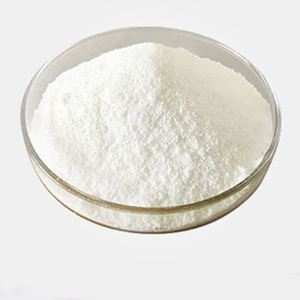
Key admixtures here include polypropylene fibres for concrete and steel fibers for concrete, which act as reinforcement fiber for concrete without rusting or warping. Additives like superplasticizer in concrete ensure a smooth, workable mix even with high fiber content, while surface retarder concrete helps create textured finishes that mimic real wood grain.
- Popular brands like Hardie concrete siding and CertainTeed rely on proprietary concrete additives fiber blends.
- Coconut fiber reinforced concrete is emerging as a sustainable alternative in eco-friendly builds.
3. Crystalline Waterproofing Admixtures for Basements and Tunnels
Traditional waterproofing often involves membranes or coatings—but what if the concrete itself could repel water? Enter crystalline waterproofing admixture, an integral waterproofer that reacts with moisture and unhydrated cement particles to form insoluble crystals inside the pores.
This type of waterproofing admixture for concrete is ideal for underground structures like parking garages, subway tunnels, and foundation walls. Unlike surface-applied sealers, it’s permanent, self-healing, and doesn’t peel or degrade over time.
Contractors often pair it with a cement waterproofing additive for extra protection, making it one of the best admixture for concrete in wet environments.
4. Superplasticizers in 3D-Printed Concrete
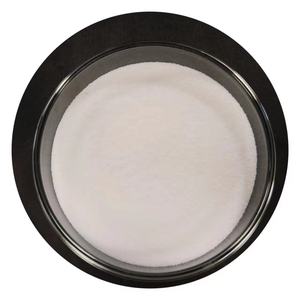
3D concrete printing demands extreme precision: the mix must flow smoothly through nozzles yet hold its shape instantly after deposition. That’s where polycarboxylate ether (PCE) superplasticizer shines.
As a high-range water reducer, this superplasticizer admixture drastically cuts water content while maintaining fluidity—critical for layer adhesion and structural integrity. Unlike older naphthalene-based superplasticizers, PCE-based versions offer better slump retention and compatibility with other concrete chemicals.
In fact, many research labs and startups now consider polycarboxylate superplasticizer the gold standard for printable concrete mixes.
5. Foaming Agents for Lightweight Cellular Concrete (Aircrete)
Foam concrete—also known as aircrete—is gaining traction in insulation panels, void fills, and low-density blocks. The secret ingredient? A high-quality foaming agent used in foam concrete.
Protein-based foaming agents and synthetic foaming agents create stable, uniform bubbles that reduce density without sacrificing strength. CLC (Cellular Lightweight Concrete) blocks, for example, rely on precise dosing of CLC foaming agent to achieve densities as low as 300–1600 kg/m³.
When combined with a concrete water reducer, these mixes maintain workability while minimizing cement usage—boosting both sustainability and cost-efficiency.
6. Air-Entraining Admixtures for Freeze-Thaw Resistant Pavements
In cold climates, concrete exposed to repeated freezing and thawing can crack and spall within years. The solution? Air entraining concrete technology.
Air entraining admixture introduces millions of microscopic air bubbles into the mix, giving water room to expand when it freezes. This simple yet powerful technique is mandated in many highway and airport runway specs.
Modern air entraining agents are compatible with superplasticizers and concrete retarders, allowing contractors to fine-tune performance without compromising durability. Look for products labeled ‘air entraining cement’ or ‘air entraining agent’ for reliable results.
7. Accelerating and Retarding Admixtures for Precast Concrete Factories
Precast plants operate on tight schedules—molds must be stripped quickly, but not so fast that quality suffers. That’s where accelerating admixtures for concrete and concrete retarder admixture come into play.
Concrete accelerator curing time can be cut from 24 hours to under 6, enabling faster mold turnover. Conversely, a surface retarder concrete or admixture retarder delays setting on exposed surfaces, allowing for decorative etching or exposed aggregate finishes.
Many facilities use Chryso admixture systems or similar smart blends that combine fast curing concrete additives with controlled-release retarders for maximum flexibility.
8. Conclusion
From fiber-reinforced siding that mimics cedar shakes to self-sealing basement walls and 3D-printed homes, concrete admixtures are enabling innovations once thought impossible. Whether you’re choosing the best superplasticizer for concrete or experimenting with coconut fibre concrete, understanding admixture types—and how they interact—is key to unlocking next-gen performance. As construction pushes toward greener, smarter, and more resilient solutions, these concrete additives will remain at the heart of the revolution.
Our Website founded on October 17, 2012, is a high-tech enterprise committed to the research and development, production, processing, sales and technical services of ceramic relative materials such as 7. Our products includes but not limited to Boron Carbide Ceramic Products, Boron Nitride Ceramic Products, Silicon Carbide Ceramic Products, Silicon Nitride Ceramic Products, Zirconium Dioxide Ceramic Products, etc. If you are interested, please feel free to contact us.