Concrete4U | Concrete Admixtures, Tools, and Production Machines

Superplasticizers vs. Traditional Water Reducers: Which Concrete Admixture Delivers Better Performance?
1. Introduction
Just 24 hours ago, a major infrastructure project in Texas announced it switched from naphthalene-based water reducers to polycarboxylate superplasticizers to achieve higher early strength and reduce carbon footprint—a move reflecting a global shift toward high-performance, sustainable concrete admixtures. As demand grows for durable, workable, and eco-friendly concrete, understanding the differences between key admixture types has never been more critical.
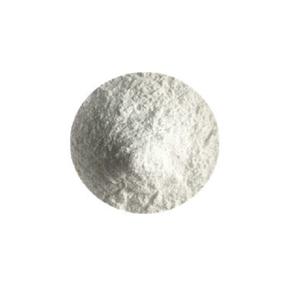
Concrete admixtures are no longer optional extras—they’re essential tools that shape how modern structures perform. From skyscrapers to sidewalks, the right admixture can improve flow, speed up curing, add waterproofing, or even mimic wood grain on concrete siding. But with so many options—from air entraining agents to crystalline waterproofing admixtures—it’s easy to get overwhelmed.
2. The Two Giants: Naphthalene-Based vs. Polycarboxylate Superplasticizers
When it comes to water reducing admixtures, two categories dominate the market: naphthalene sulfonate formaldehyde (NSF) and polycarboxylate ether (PCE)-based superplasticizers. Both fall under the umbrella of ‘superplasticizer in concrete,’ but their performance, chemistry, and environmental impact differ significantly.
Naphthalene-based superplasticizers have been used since the 1960s. They’re cost-effective and reliable for standard applications. However, they offer moderate water reduction (15–20%) and can cause rapid slump loss—meaning concrete stiffens quickly after mixing.
In contrast, PCE superplasticizers, developed in the 1980s and now the industry standard for high-performance mixes, deliver 30–40% water reduction. They provide superior slump retention, enabling long-haul deliveries and complex placements like self-consolidating concrete (SCC).
- Naphthalene superplasticizer: lower cost, shorter slump life, higher dosage needed
- Polycarboxylate superplasticizer: higher efficiency, better flow control, compatible with supplementary cementitious materials (SCMs)
3. Performance Comparison Across Key Metrics
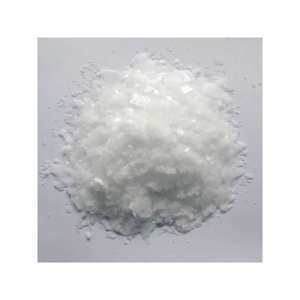
Workability is where PCE truly shines. As a plasticizer for concrete, it disperses cement particles more effectively through steric hindrance, not just electrostatic repulsion like NSF. This results in smoother, more stable mixes—ideal for fiber reinforced concrete or intricate stamped concrete patterns.
Durability also favors PCE. Because it allows lower water-cement ratios, the resulting concrete is denser, less permeable, and more resistant to chloride ingress—critical for marine structures or bridges using steel fiber reinforced concrete.
However, naphthalene-based admixtures still hold ground in regions where cost dominates over performance, or in applications like fast curing concrete additives where early strength gain is prioritized over long-term flow.
4. Beyond Superplasticizers: Other Critical Admixture Types
While superplasticizers grab headlines, other concrete additives play vital roles. Air entraining admixtures introduce microscopic bubbles to protect against freeze-thaw damage—essential in cold climates. These air entraining agents are often used alongside water reducers without interference.
Concrete retarders and accelerators manage setting time. A concrete accelerator curing time might be reduced by 50% with calcium nitrate-based accelerating admixtures for concrete, while a surface retarder concrete delays surface set for exposed aggregate finishes.
For waterproofing, options range from integral waterproofer systems to crystalline waterproofing admixture that reacts with moisture to form insoluble crystals, blocking capillaries. Brands like Chryso admixture offer proprietary blends combining superplasticizer and waterproofing admixture for concrete in one product.
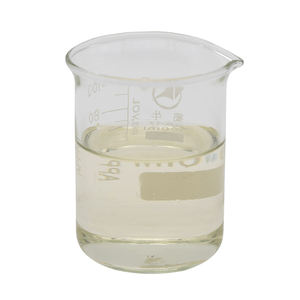
5. Emerging Trends: Fibers, Foaming Agents, and Sustainability
Fiber reinforcement is booming. Polypropylene fibres for concrete reduce plastic shrinkage cracks, while macro fibers enhance post-crack toughness. Coconut fiber reinforced concrete is even being explored in eco-conscious builds, though it remains niche.
Meanwhile, foaming agents for foam concrete—especially protein-based and synthetic types—are gaining traction in lightweight CLC (cellular lightweight concrete) blocks. The best foaming agent for aircrete balances stability, bubble size, and cost, with CLC foaming agent prices varying widely by region.
Sustainability is driving innovation. Mineral admixtures like fly ash or slag cut cement use, lowering CO₂. Combined with PCE superplasticizers, they enable greener, high-strength mixes without sacrificing workability.
6. Choosing the Best Admixture for Concrete
There’s no universal ‘best admixture for concrete.’ The choice depends on project specs, climate, budget, and desired finish. For stamped and colored concrete, a high-range water reducer with good compatibility with release agents is key. For concrete siding that looks like wood—like Hardie or CertainTeed products—fiberfor concrete mix ensures crack resistance.
Always consider compatibility. Some superplasticizers interact poorly with certain cements or other chemical admixtures. Review the bio data sheet and conduct trial batches before full-scale use.
7. Conclusion
The evolution from naphthalene-based water reducers to advanced PCE superplasticizers marks a leap in concrete technology. Yet, the full power of concrete admixtures lies in smart combinations—pairing a superplasticizer admixture with an air entraining agent, or integrating a cement waterproofing additive with polypropylene fibre. As projects grow more complex and sustainability demands rise, understanding these nuances isn’t just helpful—it’s essential.
Our Website founded on October 17, 2012, is a high-tech enterprise committed to the research and development, production, processing, sales and technical services of ceramic relative materials such as Superplasticizers. Our products includes but not limited to Boron Carbide Ceramic Products, Boron Nitride Ceramic Products, Silicon Carbide Ceramic Products, Silicon Nitride Ceramic Products, Zirconium Dioxide Ceramic Products, etc. If you are interested, please feel free to contact us.