Concrete-mesa | Concrete Admixtures, Tools, and Production Machines

10 Essential Types of Admixtures Every Concrete Professional Should Know in 2024
1. Introduction
In a major development just 24 hours ago, global construction giant LafargeHolcim announced a strategic partnership with Chryso to accelerate the adoption of low-carbon concrete admixtures across North America—highlighting the growing importance of sustainable concrete chemicals in reducing the industry’s carbon footprint. This move underscores how admixtures are no longer optional but essential for performance, efficiency, and environmental compliance.
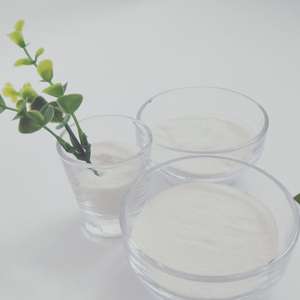
Admixtures—also referred to as concrete additives or cement admixtures—are materials added to concrete during mixing to modify its properties. From improving flowability to enhancing freeze-thaw resistance, these chemical or mineral additions play a pivotal role in modern construction. Whether you’re working on infrastructure, residential siding, or decorative stamped concrete, understanding the best admixture for concrete is crucial.
2. Superplasticizers: The Workability Revolution
Superplasticizers, or high-range water reducers, are among the most widely used chemical admixtures today. These polycarboxylate ether (PCE)-based or naphthalene sulfonate formulations drastically reduce water content while maintaining slump—enabling stronger, more durable concrete without compromising workability.
- Polycarboxylate superplasticizer offers superior dispersion and is ideal for self-consolidating concrete.
- Naphthalene and melamine-based superplasticizers remain cost-effective options for standard applications.
Superplasticizer in concrete enhances early strength development and reduces permeability. It’s commonly used in precast elements, high-rise buildings, and bridge decks where precision and performance are non-negotiable.
3. Accelerators and Retarders: Controlling Cure Time
Concrete accelerator admixtures shorten setting time and boost early strength—critical in cold weather or fast-track projects. Calcium nitrate and chloride-free accelerating admixtures for concrete ensure rapid curing without corrosion risks.
Conversely, concrete retarder admixtures delay hydration, useful in hot climates or long-haul deliveries. Surface retarder concrete products allow for exposed aggregate finishes by selectively slowing the surface cure.
The balance between concrete accelerator curing time and admixture retarder use enables contractors to tailor placement schedules precisely.
4. Air Entraining Admixtures for Durability
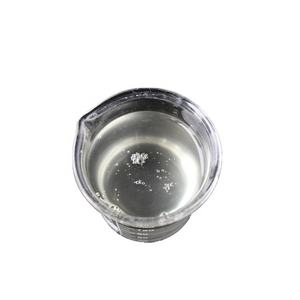
Air entraining concrete incorporates microscopic air bubbles that improve resistance to freeze-thaw cycles. An air entraining agent, such as vinsol resin or synthetic surfactants, creates stable voids that relieve internal pressure during ice formation.
Air entraining admixture is mandatory in regions with harsh winters. It also enhances workability and reduces bleeding, making it a staple in pavement and exterior slab mixes.
5. Waterproofing Admixtures: Integral Protection
Waterproofing admixture for concrete includes crystalline, hydrophobic, and integral waterproofer types. Crystalline waterproofing admixture reacts with moisture and unhydrated cement to form insoluble crystals that block capillary pores.
Cement waterproofing additive and concrete waterproof admix solutions eliminate the need for external membranes in basements, tunnels, and water tanks. Admixture waterproofing is especially effective when combined with proper compaction.
6. Fiber Reinforcement: Beyond Steel
Fibers for concrete—such as polypropylene fibres for concrete, steel fibers for concrete, and even coconut fiber reinforced concrete—provide crack control, impact resistance, and post-crack ductility.
Fiber reinforced concrete is now standard in industrial floors, shotcrete, and seismic zones. Macro fibers and microfibers serve different purposes: macro fibers carry structural loads, while microfibers reduce plastic shrinkage cracks.
Products like Fibermesh concrete and fiberfor concrete mix enhance toughness without traditional rebar, simplifying placement and reducing labor costs.
7. Foaming Agents for Lightweight Concrete
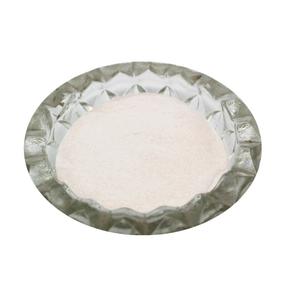
Foaming agent for foam concrete enables the production of cellular lightweight concrete (CLC). Protein-based foaming agent and synthetic variants generate stable foam that, when mixed with cement slurry, yields blocks with excellent thermal insulation.
CLC foaming agent price varies by region, but demand is rising due to energy-efficient building codes. Foam agent for lightweight concrete is essential for non-load-bearing walls, roof decks, and acoustic panels.
8. Release Agents and Color Systems
Concrete release agent—available as powder, spray, or oil—prevents adhesion between forms and fresh concrete. Water-based release agent and mould release spray preserve intricate stamped concrete patterns and colors.
Colored concrete relies on integral pigments or surface-applied stains. Stamped concrete colors range from charcoal and terra cotta to white and blue, with powder concrete color systems offering UV stability and fade resistance.
9. White Cement and Specialty Applications
White cement, prized for its brightness and purity, is used in architectural concrete, countertops, and decorative facades. White Portland cement serves as a base for colored concrete and high-end mortar mixes.
Use of white cement extends to waterproof white cement renders and white concrete pavers, blending aesthetics with function. Its higher cost is justified in premium applications where visual appeal matters.
10. Selecting the Right Admixture
Choosing the best admixture for concrete depends on project requirements: climate, structural demands, finish type, and sustainability goals. Always consult technical data sheets and consider compatibility between admixture types.
Leading brands like Chryso admixture offer tailored solutions, from superplasticizer admixture to cement admixture blends. For DIYers, Home Depot concrete siding and CertainTeed concrete siding often incorporate factory-added fibers and waterproofing admixtures.
11. Conclusion
Admixtures have transformed concrete from a basic building material into a high-performance, customizable composite. Whether you’re using a concrete water reducer, air entraining cement, or fiber reinforcement, these additives deliver measurable benefits in strength, durability, and design flexibility. As the industry embraces greener practices and smarter chemistry, understanding admixture types and their applications will remain indispensable for engineers, contractors, and architects alike.
Our Website founded on October 17, 2012, is a high-tech enterprise committed to the research and development, production, processing, sales and technical services of ceramic relative materials such as 10. Our products includes but not limited to Boron Carbide Ceramic Products, Boron Nitride Ceramic Products, Silicon Carbide Ceramic Products, Silicon Nitride Ceramic Products, Zirconium Dioxide Ceramic Products, etc. If you are interested, please feel free to contact us.