Concrete4U | Concrete Admixtures, Tools, and Production Machines

What Are the Best Admixtures for Modern Concrete Projects?
1. Introduction
Just 24 hours ago, a major infrastructure report released by the American Concrete Institute highlighted a surge in demand for high-performance concrete admixtures—especially polycarboxylate-based superplasticizers and crystalline waterproofing systems—as cities worldwide accelerate climate-resilient construction. With sustainability and durability at the forefront, understanding which admixture to use has never been more critical.
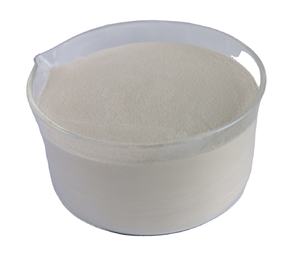
Concrete admixtures are no longer optional extras—they’re essential tools that transform ordinary mixes into engineered solutions. Whether you’re pouring a driveway, building a skyscraper, or crafting decorative stamped concrete, the right admixture can improve workability, strength, curing time, and longevity. But with dozens of options—from water reducers to fiber reinforcements—how do you pick the best admixture for concrete?
2. Superplasticizers: The Game-Changers in Workability
Superplasticizers (also called high-range water reducers) are among the most widely used chemical admixtures today. They dramatically increase slump without adding extra water, which preserves strength and durability. Two dominant types dominate the market: naphthalene-based and polycarboxylate ether (PCE)-based superplasticizers.
Naphthalene sulfonate formaldehyde (SNF) superplasticizers have been around for decades. They’re cost-effective and reliable but offer limited slump retention—meaning concrete can stiffen quickly in hot weather. In contrast, PCE-based superplasticizers provide superior flow, longer workability windows, and lower dosage requirements. That’s why PCE is now the go-to for self-consolidating concrete and high-strength applications.
- Polycarboxylate superplasticizer offers up to 40% water reduction
- Naphthalene-based versions are cheaper but less eco-friendly
- PCE admixtures work better with modern cements and supplementary materials like fly ash
3. Air Entraining and Water-Reducing Admixtures
Air entraining concrete is crucial in freeze-thaw climates. Air entraining admixtures introduce microscopic bubbles that act as pressure relief valves when water freezes, preventing surface scaling and internal cracking. These air entraining agents are often combined with water reducing admixtures to balance workability and durability.
Meanwhile, mid-range water reducers (MRWRs) offer moderate slump improvement with minimal impact on setting time—ideal for flatwork and residential slabs. Unlike superplasticizers, they don’t cause rapid slump loss, making them user-friendly for DIYers and small contractors.
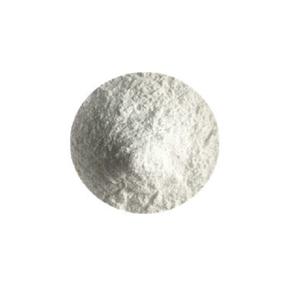
It’s worth noting that air entraining cement isn’t a thing—you add an air entraining admixture to standard Portland cement. Always test air content on-site; too much (>7%) weakens concrete, while too little (<4%) risks freeze damage.
4. Waterproofing and Integral Protection
Waterproofing admixture technologies have evolved beyond surface sealers. Today’s integral waterproofers—like crystalline waterproofing admixtures—react with moisture and unhydrated cement particles to form insoluble crystals that block capillary pores from within.
These concrete waterproof admixes are ideal for basements, tunnels, and water tanks. Brands like Chryso and Sika offer proprietary blends that double as corrosion inhibitors. Compared to traditional cement waterproofing additives (e.g., silicates), crystalline systems are permanent, self-healing, and compatible with reinforced concrete.
For above-grade applications like concrete siding or fiber cement panels, surface-applied water coatings may suffice—but for structural elements, integral waterproofing is unmatched.
5. Fiber Reinforcement: Beyond Steel Rebar
Fiber reinforced concrete is revolutionizing crack control. While steel fiber reinforced concrete delivers high tensile strength for industrial floors and shotcrete, polypropylene fibres for concrete are preferred in residential settings due to their corrosion resistance and ease of mixing.
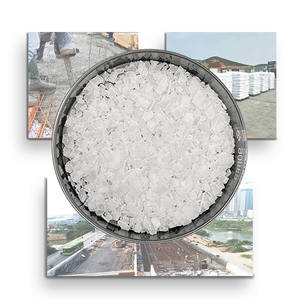
Macro fibers (like those in Fibermesh) bridge cracks at the plastic stage, reducing plastic shrinkage. Microfibers (including concrete microfiber and even experimental coconut fiber reinforced concrete) enhance surface integrity and impact resistance. Carbon fiber reinforcement in concrete remains niche due to cost but shows promise in seismic retrofitting.
Note: Fiberfor concrete mix doesn’t replace rebar in load-bearing structures—it complements it by controlling early-age cracking. Always follow manufacturer dosage rates; overdosing causes balling and poor finish.
6. Specialty Admixtures: Accelerators, Retarders, and More
Concrete accelerator curing time can be cut in half with accelerating admixtures for concrete—critical in cold-weather pours. Conversely, concrete retarder admixtures (or surface retarder concrete for exposed aggregate finishes) delay setting to allow intricate stamping or long hauls.
Other notable concrete chemicals include foaming agents for lightweight CLC blocks (protein-based or synthetic), release agents for stamped concrete patterns, and white cement additives for architectural finishes. Even colored concrete relies on pigment-compatible admixtures to maintain hue consistency.
When choosing an admixture used in concrete, always consider compatibility. For example, some superplasticizers interact poorly with certain air entrainers—leading to excessive bleeding or segregation.
7. Conclusion
The best admixture for concrete depends entirely on your project’s environment, design life, and performance goals. For high-flow, low-permeability mixes, PCE superplasticizers paired with crystalline waterproofing admixtures lead the pack. In freeze-prone zones, air entraining admixtures are non-negotiable. And for crack-resistant slabs, polypropylene fibre reinforcement offers excellent value.
As green building codes tighten and material science advances, expect smarter, multifunctional admixtures—like self-sensing or photocatalytic additives—to enter the mainstream. Until then, understanding these core admixture types ensures your concrete performs as brilliantly as it looks.
Our Website founded on October 17, 2012, is a high-tech enterprise committed to the research and development, production, processing, sales and technical services of ceramic relative materials such as What. Our products includes but not limited to Boron Carbide Ceramic Products, Boron Nitride Ceramic Products, Silicon Carbide Ceramic Products, Silicon Nitride Ceramic Products, Zirconium Dioxide Ceramic Products, etc. If you are interested, please feel free to contact us.