Concrete-mesa | Concrete Admixtures, Tools, and Production Machines

10 Essential Types of Admixtures Every Concrete Pro Should Know in 2024
1. Introduction
Just 48 hours ago, global construction giant LafargeHolcim announced a major partnership with Chryso to scale up eco-friendly concrete admixtures across North America—highlighting how critical these additives have become in modern building practices. As sustainability and performance drive innovation, understanding admixtures is no longer optional; it’s essential.
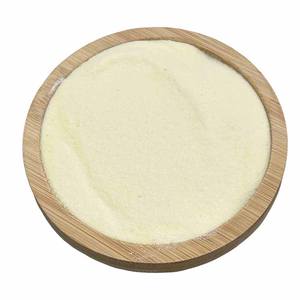
Whether you’re pouring a driveway, reinforcing a high-rise, or crafting decorative stamped concrete, the right admixture can dramatically improve strength, workability, curing time, and durability. In this guide, we’ll break down the 10 most important types of admixtures used in concrete today—and explain why they matter.
2. What Are Admixtures?
Admixtures are chemical or mineral additives mixed into concrete before or during batching to modify its properties. Often referred to as concrete chemicals or concrete additives, they enhance performance without altering the basic mix design. From accelerating setting time to enabling self-compacting mixes, admixtures solve real-world challenges on job sites worldwide.
3. Water-Reducing Admixtures
3.1. Superplasticizers: The Game-Changer
Superplasticizers—also called high-range water reducers—are among the most widely used concrete admixtures. These include polycarboxylate ether (PCE) and naphthalene-based formulas that drastically reduce water content while maintaining flowability. A superplasticizer in concrete can cut water by 30% or more, boosting strength and durability without sacrificing workability.
Popular options like PCE superplasticizer or melamine sulfonate superplasticizer are ideal for high-performance applications such as precast elements or skyscraper foundations. They’re often labeled as superplasticizer admixture for concrete or concrete water reducer products at suppliers like Home Depot.
3.2. Mid-Range Water Reducers
For less demanding projects, mid-range water reducers offer moderate slump improvement with modest water reduction. These plasticizers for concrete (sometimes called concrete plasticiser) are cost-effective solutions for standard slabs and footings.
4. Set-Modifying Admixtures
4.1. Concrete Accelerators
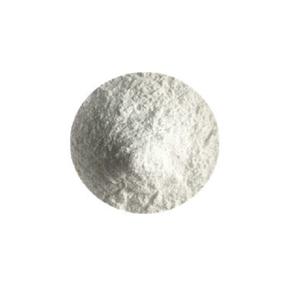
Accelerating admixtures for concrete shorten curing time—critical in cold weather or fast-track projects. A concrete accelerator reduces initial set time and boosts early strength, making it a go-to for winter pours or emergency repairs. Look for products that specify ‘concrete accelerator curing time’ on the label.
4.2. Concrete Retarders
Conversely, a concrete retarder delays hydration, giving crews more time to place and finish large pours in hot climates. Surface retarder concrete variants are even used in exposed-aggregate finishes. Admixture retarder types include sugar-based or lignosulfonate formulas.
5. Air-Entraining Admixtures
Air entraining concrete contains microscopic air bubbles that improve freeze-thaw resistance—a must in northern climates. An air entraining admixture (or air entraining agent) introduces stable voids during mixing. This type of admixture used in concrete prevents cracking when water expands during freezing.
Don’t confuse it with foam agents; air entraining is about durability, not lightweight structure. Products may be listed as air entraining cement additives or simply air entraining concrete chemicals.
6. Waterproofing Admixtures
6.1. Integral Waterproofers
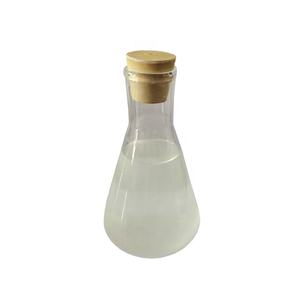
A waterproofing admixture for concrete works from within, blocking capillary pores to prevent moisture ingress. Options include crystalline waterproofing admixture (which reacts with water to form insoluble crystals) and cement waterproofing additive blends.
These concrete waterproof admix or integral waterproofer products eliminate the need for external membranes in basements, tanks, and tunnels. Brands like Chryso admixture offer advanced formulations trusted globally.
7. Fiber Reinforcement
Fibers for concrete add tensile strength, reduce cracking, and improve impact resistance. Whether it’s polypropylene fibres for concrete, steel fibers for concrete, or even coconut fiber reinforced concrete, reinforcement fiber for concrete transforms brittle mixes into ductile composites.
Common applications include fiber reinforced concrete for industrial floors, fibermesh concrete driveways, and fiber concrete siding. Speaking of which—modern concrete siding (like Hardie or CertainTeed concrete siding) often uses fiberfor concrete to mimic wood grain while resisting rot and fire. Concrete fiber siding cost varies, but durability offsets long-term maintenance.
8. Foaming Agents for Lightweight Concrete
Foaming agent for foam concrete creates cellular structures in CLC (cellular lightweight concrete). Used in blocks, insulation panels, and void fills, these agents—protein-based or synthetic—produce aircrete foaming agent reactions that yield ultra-light mixes.
Contractors use concrete foaming equipment with CLC foaming agent to build energy-efficient walls. Prices vary, but the best foaming agent for aircrete balances stability and cost.
9. Color and Release Agents
Colored concrete relies on pigments like white cement (ideal for countertops and bright finishes) or concrete stain powder. Stamped concrete colors—from charcoal to terra cotta—are applied with release agents to prevent sticking during imprinting.
Concrete release agent options include water-based release agent sprays, powder release agent for concrete, or mold release oils. Don’t skip this step—without it, your stamped and colored concrete could tear or discolor.
10. Choosing the Best Admixture for Concrete
The best admixture for concrete depends on your project goals. Need flow? Go for superplasticizer. Worried about leaks? Use a waterproof admix. Pouring in July heat? Add a concrete retarder admixture. Always check the bio data sheet for dosage, compatibility, and safety info.
Remember: admixture types aren’t one-size-fits-all. Mineral admixture (like fly ash) complements chemical admixture for concrete but serves different purposes. Consult specs or a supplier to match the right admixture chemical to your mix design.
11. Conclusion
From superplasticizers that enable sleek architectural forms to fibers that fortify concrete siding for homes, admixtures are the unsung heroes of modern construction. As new formulations emerge—like carbon fiber reinforced concrete or eco-friendly foaming agents—the possibilities keep expanding. Whether you’re a pro or a weekend warrior, mastering these concrete additives unlocks stronger, smarter, and more sustainable builds.
Our Website founded on October 17, 2012, is a high-tech enterprise committed to the research and development, production, processing, sales and technical services of ceramic relative materials such as 10. Our products includes but not limited to Boron Carbide Ceramic Products, Boron Nitride Ceramic Products, Silicon Carbide Ceramic Products, Silicon Nitride Ceramic Products, Zirconium Dioxide Ceramic Products, etc. If you are interested, please feel free to contact us.