Concrete4U | Concrete Admixtures, Tools, and Production Machines

Master the Essentials of Concrete Admixtures for Stronger, Smarter Builds
1. Introduction
Just 24 hours ago, a major breakthrough in sustainable construction was announced: researchers at MIT unveiled a new bio-based superplasticizer that reduces cement use by up to 30% while maintaining strength. This innovation highlights how modern admixtures are not just performance enhancers—they’re key to greener building practices.
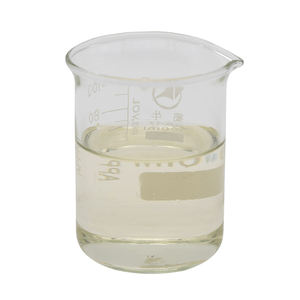
If you’ve ever poured concrete, you know it’s rarely just cement, water, and aggregates. Today’s high-performance mixes almost always include admixtures—specialized chemicals that tweak everything from workability to curing time. Whether you’re laying a patio or building a skyscraper, understanding admixtures can make or break your project.
2. What Are Admixtures?
Admixtures are ingredients added to concrete before or during mixing to modify its properties. Often referred to as concrete additives or concrete chemicals, they help solve common challenges like cracking, slow setting, poor flow, or water penetration.
The term ‘ad mixtures’ (sometimes misspelled) actually refers to these same products—though the correct spelling is ‘admixtures.’ Used correctly, they improve durability, reduce costs, and expand design possibilities.
3. Common Types of Concrete Admixture
There are dozens of admixture types, but most fall into a few core categories:
- Water reducing admixtures (including mid-range and high-range water reducers)
- Superplasticizers (also called super plasticizers or high-range water reducers)
- Concrete accelerators and retarders
- Air entraining admixtures
- Waterproofing admixtures
- Mineral admixtures (like fly ash or silica fume)
Each serves a distinct purpose, and many modern mixes combine several for optimal results.
4. Superplasticizers: The Game-Changer in Concrete Flow
Superplasticizer in concrete is one of the most widely used chemical admixtures today. These powerful water reducers—often based on polycarboxylate ether (PCE)—allow for highly fluid mixes without adding extra water.
Why does that matter? Because excess water weakens concrete. A superplasticizer admixture lets you achieve pumpable, self-consolidating concrete while maintaining strength. Brands like Chryso offer advanced PCE-based superplasticizers that outperform older naphthalene or melamine types.
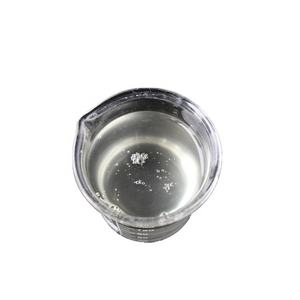
When shopping, you might see terms like ‘concrete water reducer,’ ‘plasticizer for concrete,’ or ‘concrete plasticiser’—they often refer to similar functions, though true superplasticizers deliver far greater water reduction than standard plasticizers.
5. Controlling Time: Accelerators and Retarders
Need fast curing concrete additives for a winter pour? Concrete accelerator cuts setting time and boosts early strength—ideal when working in cold weather or tight schedules.
On the flip side, a concrete retarder (or admixture retarder) delays hardening. This is crucial in hot climates or for large pours where you need more time to place and finish the slab. Surface retarder concrete products even allow decorative stamping by keeping the surface soft longer.
Both types directly impact concrete accelerator curing time and overall project timelines.
6. Air Entraining and Waterproofing Solutions
Air entraining concrete contains microscopic air bubbles created by an air entraining agent. These bubbles act as pressure relief valves during freeze-thaw cycles, preventing cracks—a must in cold regions.
For wet environments, waterproofing admixtures are essential. Options include integral waterproofer, crystalline waterproofing admixture, and cement waterproofing additive. Unlike surface sealers, these concrete waterproof admix mix right into the batch, offering long-term protection from within.
Products labeled ‘waterproof admix’ or ‘admixture waterproofing’ are increasingly popular for basements, tunnels, and water tanks.
7. Fiber Reinforcement: Beyond Steel Rebar
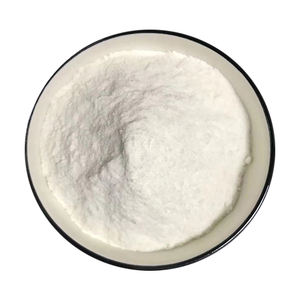
Fibers for concrete—like polypropylene fibres, steel fibers, or even coconut fiber—are added to control cracking and boost toughness. This creates fiber reinforced concrete, which is ideal for industrial floors, shotcrete, and thin panels.
You’ll see terms like fibermesh concrete, macro fibers, or pp fiber concrete in product specs. Carbon fiber reinforced concrete is emerging for ultra-high-strength applications, though it’s still costly.
Note: While ‘concrete fiber siding’ and ‘fibercement siding’ sound related, they refer to exterior cladding—not structural concrete mixes. Brands like Hardie and CertainTeed dominate this market with products that mimic wood grain at lower maintenance cost.
8. Specialized Additives: Foaming Agents and Colorants
Foaming agents for foam concrete (like CLC foaming agent or protein-based versions) create lightweight cellular concrete used in insulation blocks and void fills. The best foaming agent for aircrete balances stability and bubble size.
For aesthetics, colored concrete relies on pigments, release agents, and stamping tools. Stamped concrete colors—from charcoal to terra cotta—are applied using powder release agents or spray release to prevent sticking during patterning.
White cement is another niche favorite, especially for countertops and decorative elements. Its bright base makes tinted concrete more vibrant and is often paired with superplasticizers for smooth finishes.
9. Choosing the Best Admixture for Concrete
The best admixture for concrete depends on your project’s needs. Ask:
- Do I need better flow? → Go for a superplasticizer.
- Working in freezing temps? → Use accelerating admixtures for concrete.
- Pouring in summer heat? → A concrete retarder admixture helps.
- Building underwater? → Crystalline waterproofing admixture is ideal.
Always check compatibility with your cement type and follow dosage guidelines. Overuse can cause segregation or delayed setting.
10. Conclusion
From superplasticizer admixture to air entraining cement and fiberfor concrete mixes, modern admixtures empower builders to push the limits of what concrete can do. As innovations like bio-based plasticizers hit the market, these concrete additives will only become smarter, greener, and more essential. Whether you’re at Home Depot or on a high-rise site, knowing your admixture types ensures stronger, longer-lasting results.
Our Website founded on October 17, 2012, is a high-tech enterprise committed to the research and development, production, processing, sales and technical services of ceramic relative materials such as Master. Our products includes but not limited to Boron Carbide Ceramic Products, Boron Nitride Ceramic Products, Silicon Carbide Ceramic Products, Silicon Nitride Ceramic Products, Zirconium Dioxide Ceramic Products, etc. If you are interested, please feel free to contact us.