Concrete-mesa | Concrete Admixtures, Tools, and Production Machines

7 Essential Steps to Choose and Use the Best Concrete Admixtures for Your Project
1. Introduction
Just 24 hours ago, a major construction materials supplier announced a global shortage of polycarboxylate ether (PCE)-based superplasticizers due to supply chain disruptions—a reminder of how vital it is to understand alternatives and proper usage of concrete admixtures. Whether you’re pouring a driveway, building a foundation, or crafting decorative stamped concrete, the right admixture can make or break your project’s durability, workability, and finish.
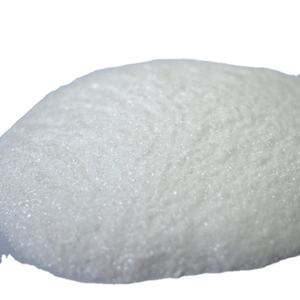
Concrete admixtures—also called concrete additives or ad mixtures—are chemical, mineral, or fibrous ingredients added to concrete mixes to enhance performance. From improving flow with a plasticizer for concrete to speeding up curing with a concrete accelerator, these products solve real-world problems on job sites every day.
2. Identify Your Concrete Challenge
Before grabbing any concrete chemicals off the shelf, pinpoint what your mix needs. Ask yourself:
- Is the concrete too stiff to place easily? → You likely need a water reducing admixtures or superplasticizer.
- Is cold weather slowing your cure time? → Consider accelerating admixtures for concrete.
- Do you need freeze-thaw resistance? → Air entraining admixture is essential.
- Are you waterproofing a basement or pool? → Look into crystalline waterproofing admixture or integral waterproofer.
- Is cracking a concern? → Fiber reinforcement (like polypropylene fibres for concrete or steel fibers for concrete) adds tensile strength.
Matching the problem to the right admixture used in concrete prevents wasted time, money, and rework.
3. Understand Key Admixture Types
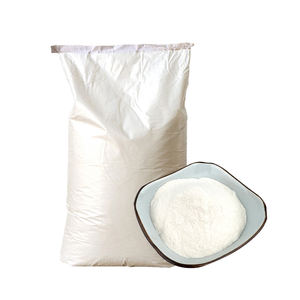
Not all concrete admixture types work the same way. Here’s a quick breakdown of the most common categories:
- Superplasticizer admixture (e.g., PCE-based or naphthalene superplasticizer): Dramatically increases slump without adding water. Ideal for high-strength or self-consolidating concrete.
- Concrete retarder admixture: Slows hydration in hot weather or for long hauls. A surface retarder concrete is used for exposed aggregate finishes.
- Concrete accelerator: Reduces setting time—great for fast curing concrete additives in winter pours.
- Air entraining agent: Creates microscopic air bubbles for freeze-thaw durability. Often called air entraining concrete or air entraining cement.
- Waterproofing admixture: Includes cement waterproofing additive, concrete waterproof admix, and crystalline systems that block water penetration from within.
- Mineral admixture: Fly ash, slag, or silica fume that improves long-term strength and sustainability.
- Fibers for concrete: Polypropylene fibre, steel fiber reinforced concrete, or even coconut fiber reinforced concrete add crack control and impact resistance.
4. Choose the Right Superplasticizer
Superplasticizers are among the most widely used concrete additives. The best superplasticizer for concrete depends on your mix design and goals:
- Polycarboxylate ether (PCE) superplasticizers offer high water reduction (up to 40%) and excellent slump retention—ideal for modern high-performance concrete.
- Naphthalene or melamine-based superplasticizers are cost-effective but may lose effectiveness faster over time.
Always check compatibility with your cement type. Some superplasticizer in concrete can cause rapid slump loss if mismatched. Follow dosage instructions—typically 0.5% to 2% by weight of cement—and never add extra water to compensate for stiffness; that defeats the purpose of using a concrete water reducer.
5. Add Fibers for Crack Resistance
Fiber reinforced concrete is no longer just for industrial floors. Homeowners now use concrete fiber siding (like Hardie or Certainteed concrete siding) that mimics wood but lasts decades. In structural pours, adding reinforcement fiber for concrete—such as macro fibers or pp fiber concrete—reduces plastic shrinkage cracks.
For DIY projects, polypropylene fibres for concrete are easy to disperse and don’t require special equipment. Steel fibers for concrete offer higher toughness but need careful mixing. Avoid clumping by adding fibers gradually during batching.
6. Apply Waterproofing and Specialty Additives Correctly
Waterproofing admixture for concrete works best when integrated into the mix—not just painted on later. Crystalline waterproofing admixture reacts with water and unhydrated cement to form insoluble crystals that plug capillaries.
Similarly, an integral waterproofer provides uniform protection throughout the slab. Don’t confuse these with surface sealers—they’re true admixture waterproofing solutions that last the life of the structure.
If you’re coloring stamped concrete, remember that release agents (powder or spray) prevent stamps from sticking—but they also add subtle color. Use tinted concrete release powder to enhance patterns like brick or slate.
7. Mix and Test Before Full Pour
Never assume an admixture will behave as expected. Always run a small trial batch first. Check:
- Workability (slump test)
- Setting time (especially with concrete accelerator curing time or admixture retarder)
- Finish quality (for colored or stamped applications)
Add admixtures at the right stage: Most liquid concrete chemicals go in after initial water and cement mixing. Dry additives like fiberfor concrete mix should be blended with aggregates first. Overdosing—even by 10%—can cause segregation, delayed set, or excessive air entrainment.
8. Conclusion
Choosing the best admixture for concrete isn’t about using the most products—it’s about solving specific problems with precision. Whether you need a super plasticizers for flow, an air entraining admixture for durability, or a concrete waterproofing additive for basements, understanding admixture types and proper application ensures stronger, longer-lasting results. With material shortages making headlines, knowing how to use what you have effectively has never been more important.
Our Website founded on October 17, 2012, is a high-tech enterprise committed to the research and development, production, processing, sales and technical services of ceramic relative materials such as 7. Our products includes but not limited to Boron Carbide Ceramic Products, Boron Nitride Ceramic Products, Silicon Carbide Ceramic Products, Silicon Nitride Ceramic Products, Zirconium Dioxide Ceramic Products, etc. If you are interested, please feel free to contact us.