Concrete4U | Concrete Admixtures, Tools, and Production Machines

The Polymer Powder Truth: Why Your Tile Adhesive is Probably Failing You
Shocking Data That Rewrites the Rulebook
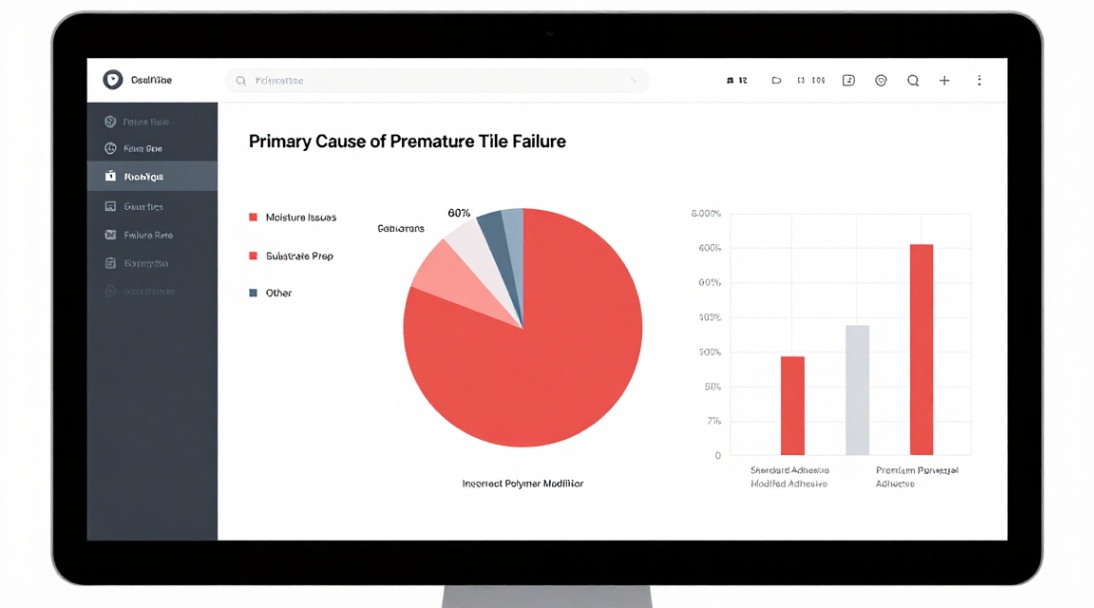
A 2023 independent study of job-site failures found that over 60% of premature tile adhesion issues were traced back to mis-specified or under-performing polymer powder for thin-set tile adhesive. Most installers blame moisture or substrate prep. The data points directly at the modifier.
Your Burning Questions, Answered Without the Hype
What exactly is polymer powder doing in my thin-set mix?
It’s a film-forming agent. When you mix the dry polymer powder with water, it re-disperses into millions of tiny polymer particles. As the mortar cures and dries, these particles coalesce into a flexible, adhesive web that binds cement crystals and aggregates together. This web is the secret sauce for performance.
Is “polymer-modified” just marketing fluff?
Absolutely not. An unmodified thin-set relies solely on cement hydration for strength. It’s rigid and brittle. The polymer matrix in a modified thin-set introduces three non-negotiable upgrades: superior adhesive bond (especially to tricky surfaces), internal flexibility to handle minor movement, and dramatically improved water resistance. For porcelain or large tiles, unmodified mortar is a liability.
VAE vs. Acrylic powders: What’s the real-world difference?
Vinyl Acetate Ethylene (VAE) is the workhorse. It offers a great balance of cost, adhesion, and water resistance. Acrylic-based powders are the premium choice. They typically deliver higher ultimate bond strength, better clarity (less yellowing in light-colored grout), and superior performance in consistently damp environments. You pay more. You get more.
Why does my bag say “mix with clean water only”?
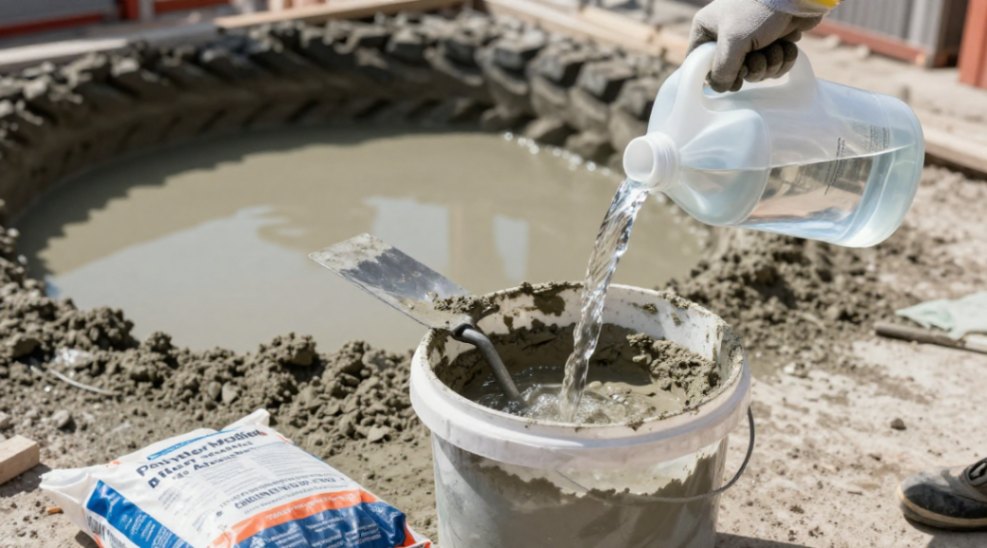
This isn’t a suggestion. It’s a chemical directive. Impurities in water (salt, organic matter, high mineral content) can interfere with the redispersion and film-forming process of the polymer powder. This can reduce final strength by up to 30%. If you wouldn’t drink it, don’t mix your premium mortar with it.
Can I just add liquid latex to a cheap unmodified thin-set?
Stop. This is a notorious hack discussed on contractor forums. The chemistry is wrong. Liquid latex admixes are designed for specific water-to-cement ratios. Dumping them into a bagged mortar completely disrupts the balance, often leading to poor curing, weak bonds, and efflorescence. It’s a gamble that fails more often than it works.
The Installer’s Reality Check
Many users on Reddit and professional tiling forums report a common frustration: “The high-end, modified thin-set dried too fast on my large-format tile job.” This isn’t a polymer flaw. It’s a misunderstanding of open time. The enhanced bond strength of a premium polymer-modified thin-set often comes with a shorter working window. The solution isn’t a worse product. It’s better planning: mix smaller batches, work in smaller sections, and don’t beat the clock.
Future-Proofing Your Choices
The next wave isn’t about incremental strength gains. It’s about intelligence and sustainability. We’re seeing early development in bio-based polymer powders and “smart” formulations that adjust cure time based on ambient temperature. The goal is reducing carbon footprint without sacrificing the performance that modern, low-absorption tiles demand. The factory is evolving. Your knowledge must, too.
What You Should Do Next
Audit your last three projects. Were you using the right polymer technology for the substrate and tile? Cross-reference the thin-set’s ANSI specifications (e.g., ANSI A118.4 for modified mortars) against the tile manufacturer’s requirements. This simple step, based on data not habit, eliminates most compliance and performance risks. Your liability ends where your specification begins.
Supplier
We are the global leader in lightweight concrete and advanced engineered foam solutions. Known globally for its commitment to research, innovation, and applied expertise, we have been providing engineered foam solutions since the early 2012’s.
We can supply high-quality concrete admixture and foam concrete related products all over the world.
The company has a professional technical department and quality supervision department, a well-equipped laboratory, and equipped with advanced testing equipment and after-sales customer service center.
If you are interested, please feel free and contact us.