Concrete-mesa | Concrete Admixtures, Tools, and Production Machines

Mastering Polycarboxylate Based Water Reducers: A Practical Guide for Concrete Professionals
Are You Constantly Fighting Unpredictable Slump Loss?
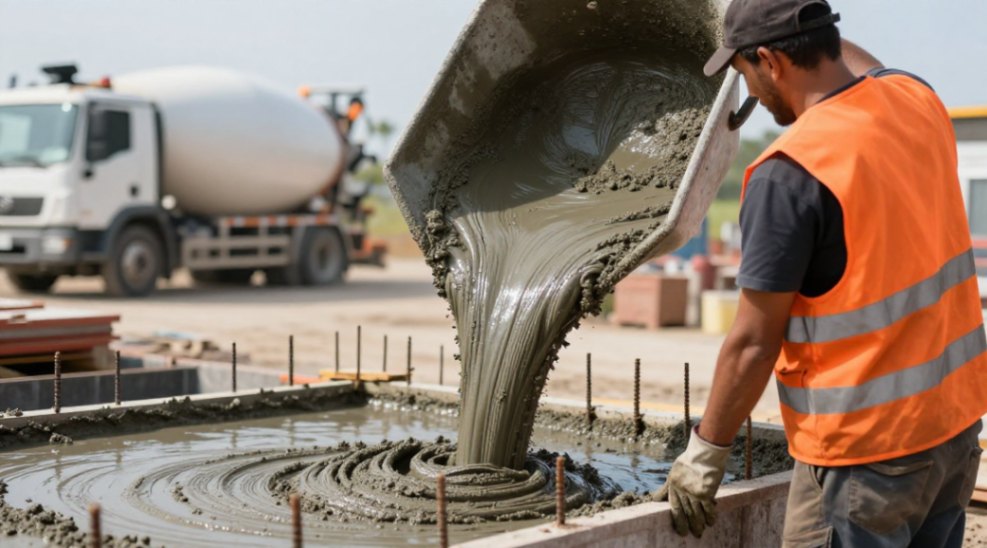
We’ve all been there. The truck arrives on site, and the mix is already stiffening. You add water to save the pour, knowing it will weaken the final structure. Or you’re trying to hit a high-strength spec, but your concrete won’t flow into the intricate forms without segregating. These daily battles are exhausting. The core issue often lies in using the wrong admixture or misapplying the right one. This is where a polycarboxylate based concrete water reducer changes the game. It’s not magic; it’s sophisticated polymer science. When you understand how to use it, you gain control. Let’s walk through how to master it.
How Polycarboxylate Polymers Actually Work
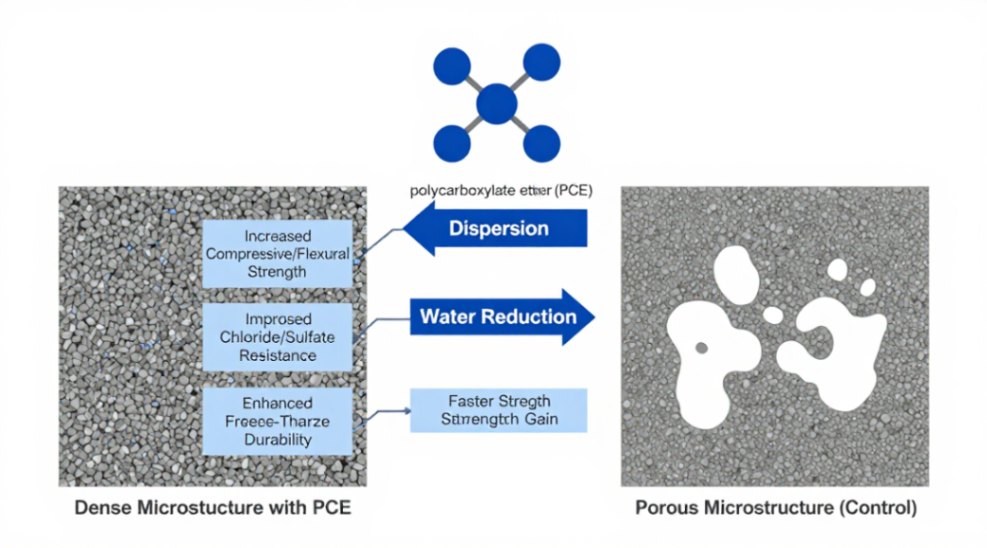
Old-school water reducers like lignosulfonates or naphthalene-based products mostly rely on electrostatic repulsion. Think of two magnets with the same pole pushing apart. Polycarboxylate ether (PCE) polymers use a smarter, two-pronged approach. Their chemical structure is a long backbone with comb-like side chains. The backbone adsorbs onto the cement particles. The side chains then stick out into the water, creating a physical barrier. This is steric hindrance. The particles can’t clump together because of this physical shield. The result is a far more powerful and stable dispersion of cement grains. This mechanism gives you two huge advantages: much higher water reduction (often 25-40%) and excellent slump retention over time. The concrete stays workable.
Step-by-Step: Getting Your First Mix Right
Switching to a PCE superplasticizer requires a methodical approach. Rushing leads to costly mistakes.
- Start with Your Baseline. Take your standard mix design. Record everything: cement content, aggregates, water-cement ratio, and current slump.
- Choose the Right PCE Type. Not all are the same. Standard types offer great water reduction. Others are engineered for long slump retention (perfect for hot weather or long hauls). Some provide viscosity modification for self-consolidating concrete (SCC). Consult your supplier.
- Begin with a Conservative Dosage. This is critical. Polycarboxylate based concrete water reducers are highly potent. Start at 0.1% to 0.3% by weight of cementitious material. Exceeding the optimal dose can cause excessive retardation or severe segregation.
- Adjust the Water. To achieve the same slump as your old mix, you will significantly reduce the water. A good starting point is to reduce the mixing water by 15-20%. This lower water-cement ratio is the direct path to higher strength and durability.
- Mix Thoroughly. PCEs need good shear to disperse effectively. Ensure adequate mixing time, especially in truck mixers.
- Evaluate and Tweak. Check slump immediately and again after 60 minutes. Assess workability, cohesion, and finishability. Fine-tune dosage in small increments (0.02% steps).
Unlocking Superior Concrete Performance
Proper use of a polycarboxylate based water reducer isn’t just about flow. It rebuilds your concrete from the ground up. The dramatic water reduction directly increases compressive and flexural strength. A denser, less porous paste emerges. This improves resistance to chloride ingress, sulfate attack, and freeze-thaw cycles. Durability skyrockets. For precast producers, it means faster strength gain and earlier de-molding. For ready-mix suppliers, it means delivering a consistent, high-quality product that contractors love. On forums like Concrete Contractor Network, users often note, “Once we dialed in the PCE dose, our callbacks for surface defects and low strength tests dropped to near zero.”
Navigating Common Challenges in the Field
Every powerful tool has its quirks. Here’s how we handle common issues.
- Over-Retardation: Too much PCE, or combining it with a separate retarder, can stall setting. Solution: Reduce the PCE dosage. Use a specific PCE formulated with set acceleration if needed.
- Sensitivity to Mixing Time & Sequence: Adding it too late or with insufficient mixing leads to uneven dispersion. Solution: Follow the supplier’s batching sequence. Typically, add it with the majority of the mixing water.
- Compatibility with Other Materials: Certain cements, supplementary materials like fly ash, or other admixtures (like some air-entraining agents) can interact poorly. Solution: Always run small lab trials or job-site trial batches before full-scale use. Don’t assume compatibility.
- Clay Contamination in Aggregates: Clays can “eat up” the PCE polymers, reducing their effectiveness. Solution: Use PCEs designed with clay tolerance, or source cleaner aggregates.
The Road Ahead: Smarter, More Sustainable Concrete
The evolution of polycarboxylate technology continues. Next-generation polymers target even greater robustness to material variations and lower carbon footprints. The sustainability angle is powerful. By enabling high-volume fly ash or slag concrete that remains workable, PCEs help reduce the clinker factor. They allow the creation of thinner, stronger sections with less material. Choosing the right polycarboxylate based concrete water reducer is now a key decision for building durable, resilient, and environmentally responsible structures. The learning curve is worth it.
Ready to move past guesswork? The next logical step is to get specific product recommendations and technical data sheets tailored to your local materials. A conversation with a knowledgeable supplier who understands your regional sands, cements, and climate is invaluable. They can provide the precise guidance and sample you need to run your own successful trial batch. Start that conversation today.
Supplier
We are the global leader in lightweight concrete and advanced engineered foam solutions. Known globally for its commitment to research, innovation, and applied expertise, we have been providing engineered foam solutions since the early 2012’s.
We can supply high-quality concrete admixture and foam concrete related products all over the world.
The company has a professional technical department and quality supervision department, a well-equipped laboratory, and equipped with advanced testing equipment and after-sales customer service center.
If you are interested, please feel free and contact us.