Concrete4U | Concrete Admixtures, Tools, and Production Machines

Acid-Proofing for Life: How Potassium Silicate Mortars Protect Your Critical Assets
The Spill That Changed Everything
Twenty years ago, a frantic call came in from a fertilizer plant. A containment sump had failed, leaking concentrated sulfuric acid into the substrate. The plant manager faced a shutdown. The solution they tried was failing, dissolving away. We needed something permanent. That’s when we specified a potassium silicate-based mortar. It wasn’t just a patch; it became the new floor. Decades later, it’s still there, unfazed by the chemical assault. That experience cemented my belief in this material. It’s not just a product; it’s a permanent defense. Let’s talk about why it works so well and how to use it right.
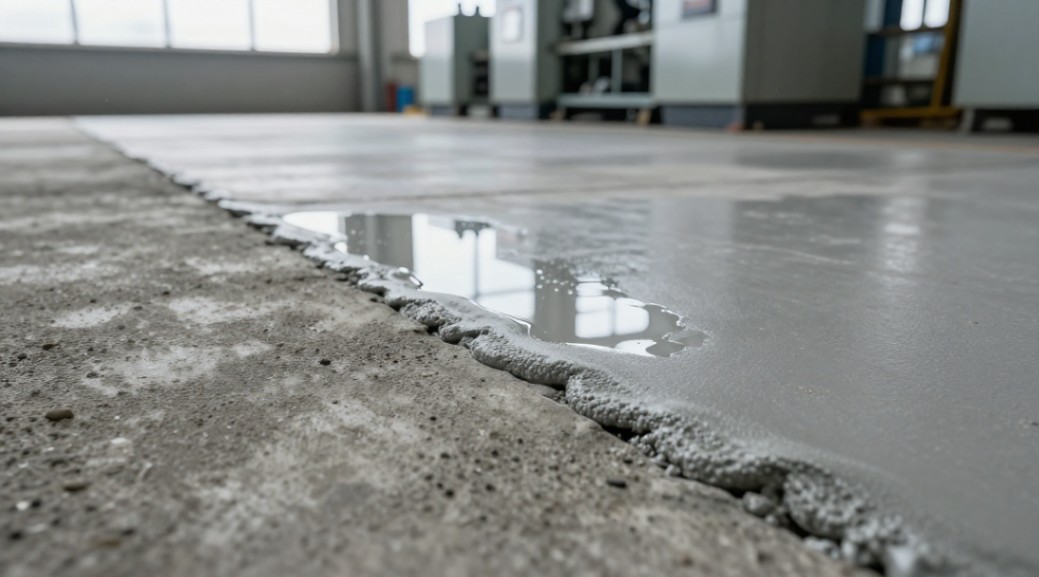
The Chemistry of Resilience
Forget simple barriers. Potassium silicate mortars form a new, inert geological structure. The liquid binder is potassium silicate solution, often called waterglass. It’s alkaline. The powder contains our acid-resistant aggregates-quartz, andesite, basalt-and a hardener. This hardener is the key. Typically, it’s sodium silicofluoride. When we mix them, a reaction starts. The hardener pulls silica from the solution, forcing it to precipitate. This precipitated silica gel binds the aggregates together in a stone-like matrix. The final structure is over 99% silicon dioxide. It is virtually identical to the natural stone we use as filler. Acids like sulfuric or hydrochloric cannot attack it. They meet their geological match.
This sets it apart. Sodium silicate systems exist, but potassium offers better resistance, especially to phosphoric acid and water. Organic resins like epoxies or vinyl esters can soften, blister, or thermally degrade. Our silicate matrix is inorganic. It doesn’t burn. It doesn’t creep. Its performance hinges entirely on the chemical reaction we trigger during installation. Get that right, and you build for a lifetime.
Anatomy of a Super-Mortar
Understanding the three-part system is non-negotiable for success. Deviating from the formulation is the most common cause of failure.
| Component | Role & Specification |
|---|---|
| Potassium Silicate Solution (Binder) | The reactive glue. Typically has a density of 1.20-1.25 g/cm³ and a SiO2:K2O ratio between 2.5:1 and 3.2:1. This ratio dictates final acid resistance. |
| Acid-Resistant Filler Powder | The body and structure. Fine-grained quartz (<0.5mm) for dense packing, combined with graded andesite or basalt chips (1-4mm) for mechanical strength and crack resistance. |
| Chemical Hardener | The reaction catalyst. Sodium silicofluoride (Na2SiF6) in precise proportions, usually 6-10% of the powder weight. It drives the silica gel formation. |
The Critical Path: Installation is Everything
This material is unforgiving of poor practise. Success follows a strict, non-negotiable sequence. Think of it as a surgical procedure for your substrate.
- Surface Preparation. This is 50% of the job. The concrete substrate must be sound, clean, and acid-etched. You need a CSP 3 (near-white) metal blast profile or equivalent. This opens pores for a mechanical key. Any dirt, laitance, or old coating will cause delamination. The surface must be dry. No moisture should be present.
- Priming. Immediately before mortar application, brush a thin coat of the pure potassium silicate solution onto the substrate. This wets the surface and ensures optimal chemical bonding for the first mortar layer.
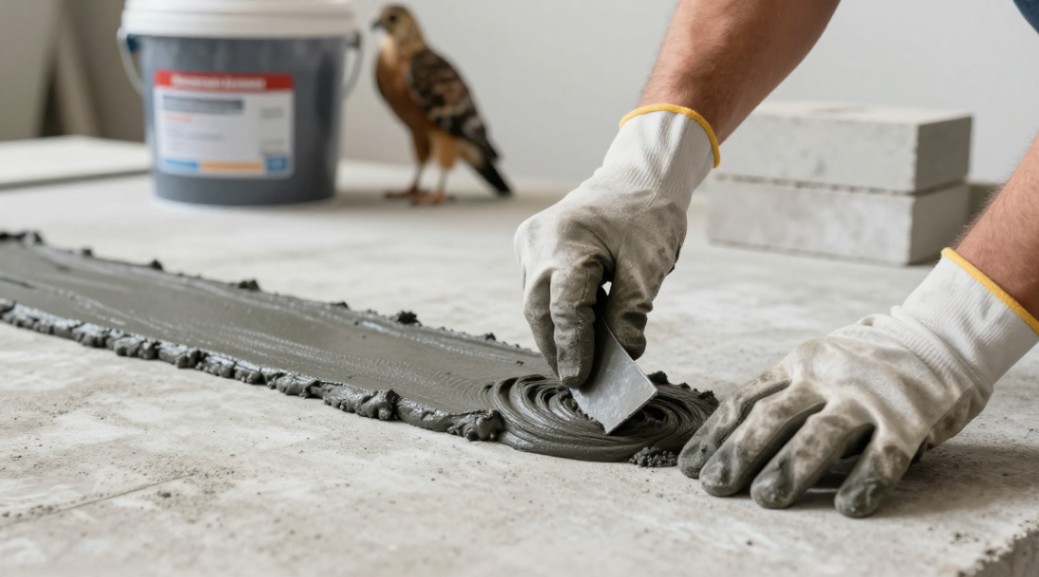
- Mixing. Use a forced-action mixer. Combine the entire bag of powder with the entire bottle of hardener first. Mix dry for one full minute. Then, add the entire container of potassium silicate liquid. Mix for 3-4 more minutes until homogeneous. You have a 30-40 minute pot life. Work in small, manageable batches.
- Application & Compaction. Apply the mortar in layers no thicker than 20mm. Each layer must be thoroughly compacted with trowels or rollers to eliminate all air voids. Voids are direct pathways for acid penetration.
- Curing. This is the chemical transformation. The installed mortar must be kept in a dry, warm environment (above 15°C) for a minimum of 72 hours. During this time, the silica gel forms and gains strength. Do not expose it to water, steam, or acid.
- Acid Wash. After curing, the surface must be “pickled.” Flood it with a 10-15% solution of sulfuric or hydrochloric acid. This neutralizes any free alkaline silicate on the surface and hardens the final layer. Rinse thoroughly with water after 24 hours. The installation is now ready for chemical service.
Where It Reigns Supreme
This isn’t a general-purpose coating. It’s a specialist material for the most aggressive environments. Its true home is in heavy industry.
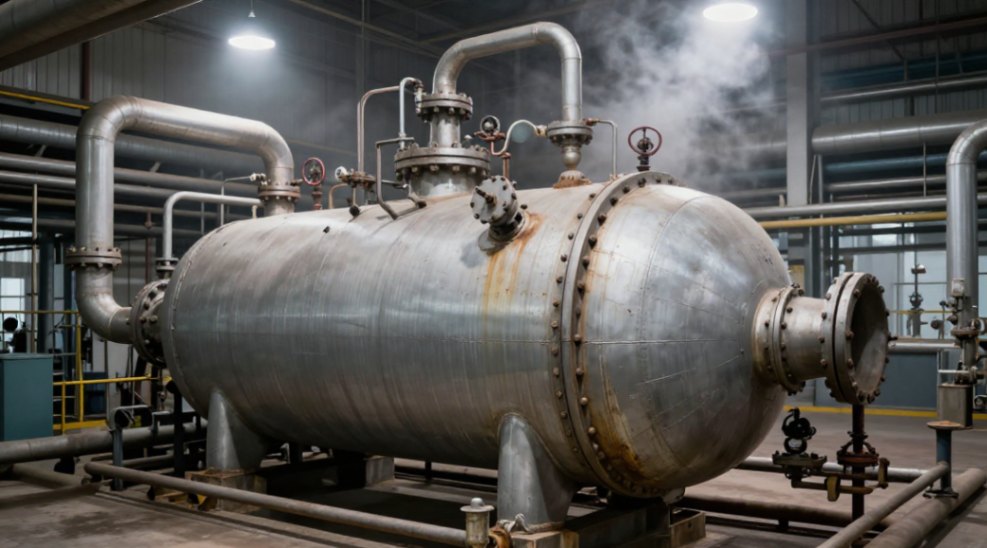
Think of steel pickling lines bathed in hydrochloric acid, or phosphate fertilizer plants where sulfuric and phosphoric acids splash. It’s the lining of choice for brick chimneys carrying acidic flue gases, and for monolithic floors in battery charging rooms, dye houses, and chemical processing areas. It builds containment bunds and trenches that see constant chemical flow. For oxidizing acids like nitric or chromic, alternative resins like phenolic or furan may be required. But for the classic mineral acids-sulfuric, hydrochloric, phosphoric-a properly installed potassium silicate mortar is often the best and most durable choice.
A Word of Caution and Comparison
This material demands respect. Its limitations are as clear as its strengths. It is brittle and has low tensile strength, so it requires a rigid, uncracked substrate. It is highly sensitive to moisture during curing. Applying it in a humid environment is a recipe for a soft, chalky failure. Unlike flexible polymer linings, it cannot bridge moving cracks.
Compare it to phenolic resins. Phenolics offer excellent resistance to a wider range of chemicals, including solvents, but they are more expensive, harder to apply, and have significant shrinkage. Furan resins are similar. Potassium silicate is the workhorse for dedicated acid service-simpler, more cost-effective for its niche, and creating a truly inorganic, non-combustible shield.
Your Path to a Permanent Solution
The choice is clear. For permanent, fireproof, and geological-grade protection against concentrated acids, potassium silicate mortars stand alone. But their success is not guaranteed by the bag. It is guaranteed by the craft of the installer, by the precision of the mix, by the rigor of the cure. This is not a DIY project. It demands a specialist.
If your facility faces these challenges, the next step is not to buy a drum of mortar. The next step is to engage with a specialist contractor who breathes this chemistry. They will conduct a proper site survey, specify the exact formulation for your acid type and concentration, and execute with the disciplined procedure outlined here. Your asset deserves this level of care. Do not compromise on the specification, and never, ever compromise on the installation. The integrity of your floor, your tank, or your chimney depends on it. Reach out to a certified acid-proofing specialist today for a consultation. Let them translate this potential into a permanent, working defence for your plant.
Supplier
We are the global leader in lightweight concrete and advanced engineered foam solutions. Known globally for its commitment to research, innovation, and applied expertise, we have been providing engineered foam solutions since the early 2012’s.
We can supply high-quality concrete admixture and foam concrete related products all over the world.
The company has a professional technical department and quality supervision department, a well-equipped laboratory, and equipped with advanced testing equipment and after-sales customer service center.
If you are interested, please feel free and contact us.