Concrete4U | Concrete Admixtures, Tools, and Production Machines

What Are Admixtures and Why Are They Essential in Modern Concrete Construction?
1. Introduction
Just 48 hours ago, at the 2024 Global Concrete Expo in Las Vegas, leading manufacturers like Chryso and BASF unveiled next-generation eco-friendly admixtures designed to cut carbon emissions by up to 30% while boosting concrete strength. This spotlight on sustainability underscores how vital admixtures have become in modern construction—not just as performance enhancers, but as tools for greener infrastructure.
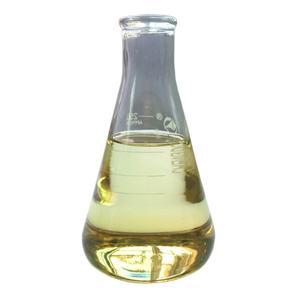
Admixtures—often called concrete additives—are materials added to concrete before or during mixing to modify its properties. Whether you’re pouring a driveway, building a skyscraper, or crafting decorative stamped concrete, the right admixture can make all the difference in workability, curing time, durability, and even aesthetics.
2. What Are Admixtures?
Admixtures are chemical or mineral ingredients blended into concrete mixes to achieve specific engineering or aesthetic goals. Also referred to as concrete chemicals or cement admixtures, they’re used in nearly every major concrete project worldwide. These ad mixtures fall into two broad categories: chemical admixtures and mineral admixtures.
Chemical admixtures include liquids or powders like superplasticizers, accelerators, and retarders. Mineral admixtures—such as fly ash or silica fume—are finely ground materials that improve long-term strength and reduce permeability.
3. Common Types of Concrete Admixtures
Understanding concrete admixture types helps contractors and DIYers choose the best admixture for concrete in any scenario. Here’s a breakdown of key categories:
- Water reducing admixtures (or concrete water reducers): These improve workability without adding extra water. Superplasticizers—especially polycarboxylate ether (PCE)-based ones—are high-range water reducers that dramatically increase flow while maintaining strength.
- Concrete accelerator: Speeds up curing time, ideal for cold-weather pours or fast-track projects. Accelerating admixtures for concrete help achieve early strength quickly.
- Concrete retarder: Delays setting time, useful in hot climates or for complex placements. A surface retarder concrete may also be used for exposed aggregate finishes.
- Air entraining admixture: Introduces microscopic air bubbles to improve freeze-thaw resistance. Often called air entraining agent or air entraining concrete additive, it’s essential in northern climates.
- Waterproofing admixture: Includes integral waterproofer, crystalline waterproofing admixture, and cement waterproofing additive. These create denser, less permeable concrete—critical for basements, tanks, and foundations.
- Fiber reinforcement: Fibers for concrete—like polypropylene fibres for concrete, steel fibers for concrete, or even coconut fiber reinforced concrete—enhance crack resistance and toughness. Products like Fibermesh concrete use macro fibers or microfibers to replace or supplement traditional rebar.
4. Superplasticizers: The Game-Changer in Concrete Technology
Among all admixture types, superplasticizer stands out as one of the most transformative. Also marketed as plasticizer for concrete, concrete plasticiser, or super plasticizers, these high-range water reducers allow for ultra-high-strength, self-consolidating concrete with minimal water content.
Modern superplasticizer in concrete is typically based on polycarboxylate ether (PCE), offering better slump retention and compatibility than older naphthalene or melamine-based versions. PCE superplasticizer is now the industry standard for precast, high-rise, and infrastructure projects due to its efficiency and eco-profile.
When selecting a superplasticizer admixture, consider factors like dosage, compatibility with cement type, and whether you need mid-range or high-range water reduction. The best superplasticizer for concrete balances performance, cost, and environmental impact.
5. Specialized Additives for Aesthetics and Protection
Beyond structural performance, admixtures also serve decorative and protective roles. For example, colored concrete relies on pigments mixed directly into the batch, while stamped concrete colors and patterns require compatible release agents—like powder release agent for concrete or water-based release sprays—to prevent sticking and add accent hues.
For exterior applications, concrete siding options like Hardie concrete siding or CertainTeed concrete siding often incorporate fiber reinforcement (e.g., fibercement siding) for durability and wood-like appearance. Concrete fiber siding cost varies, but its longevity and low maintenance make it popular for modern homes.
Waterproof admix solutions—such as crystalline waterproofing admixture or concrete waterproofing additive—are increasingly used in residential and commercial builds to eliminate the need for external membranes. Similarly, white cement is favored for architectural finishes, countertops, and decorative elements due to its bright, clean appearance.
6. Emerging Trends and Sustainable Innovations
The latest trend in concrete additives focuses on sustainability. Bio-based superplasticizers, recycled mineral admixtures, and low-carbon foaming agents for foam concrete (like CLC foaming agent) are gaining traction. Even homemade foaming agent for concrete is being explored by eco-conscious builders, though commercial synthetic or protein-based foaming agents remain more reliable.
At the recent expo, companies highlighted admixtures that enable carbon-cured concrete—where CO2 is injected during curing to permanently mineralize emissions. This aligns with global pushes toward net-zero construction.
7. Conclusion
From superplasticizer admixture that enables sleek high-rises to air entraining admixture that protects roads from winter damage, admixtures are indispensable in today’s concrete industry. Whether you’re a contractor, engineer, or homeowner planning a patio, understanding concrete admixture types—and choosing the right admixture used in concrete—ensures stronger, longer-lasting, and more sustainable results. As innovation continues, these concrete chemicals will only become smarter, greener, and more versatile.
Our Website founded on October 17, 2012, is a high-tech enterprise committed to the research and development, production, processing, sales and technical services of ceramic relative materials such as What. Our products includes but not limited to Boron Carbide Ceramic Products, Boron Nitride Ceramic Products, Silicon Carbide Ceramic Products, Silicon Nitride Ceramic Products, Zirconium Dioxide Ceramic Products, etc. If you are interested, please feel free to contact us.