Concrete-mesa | Concrete Admixtures, Tools, and Production Machines

What Are Admixtures and How Do They Transform Modern Concrete Performance?
1. Introduction
In a significant development reported just hours ago, global construction chemical leader Chryso announced a breakthrough in sustainable superplasticizer technology aimed at reducing carbon emissions in concrete production by up to 30%. This innovation underscores the growing importance of high-performance admixtures in meeting modern environmental and engineering demands. As infrastructure projects worldwide seek greater durability, workability, and sustainability, admixtures have become indispensable components in concrete formulation.
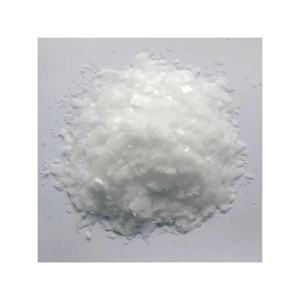
Admixtures—often referred to as concrete additives or concrete chemicals—are materials other than cement, water, and aggregates that are added to concrete during mixing to modify its properties. Whether improving flowability, accelerating strength gain, enhancing freeze-thaw resistance, or enabling waterproofing, these substances play a pivotal role in tailoring concrete to specific project requirements. From residential driveways to skyscrapers and bridges, the strategic use of admixture used in concrete ensures optimal performance under diverse conditions.
2. Understanding Admixture Types
Concrete admixture types fall into two broad categories: chemical and mineral. Chemical admixtures include liquid or powdered compounds such as superplasticizers, accelerators, retarders, and air-entraining agents. Mineral admixtures, like fly ash, silica fume, and slag, are finely ground materials that react with cement to improve long-term strength and durability. Together, they form the backbone of advanced concrete technology.
- Water reducing admixtures (including mid-range and high-range water reducers) decrease the water content needed for a given slump, boosting strength without compromising workability.
- Superplasticizer admixture, particularly polycarboxylate ether (PCE)-based formulations, offers exceptional flow enhancement with minimal dosage, making them the best admixture for concrete requiring high fluidity, such as self-consolidating concrete.
- Concrete accelerator and accelerating admixtures for concrete shorten setting time and enhance early strength—ideal for fast curing concrete additives in cold weather or emergency repairs.
- Concrete retarder and admixture retarder delay hydration, useful in hot climates or for complex placements where extended workability is essential.
3. Key Functional Admixtures in Practice
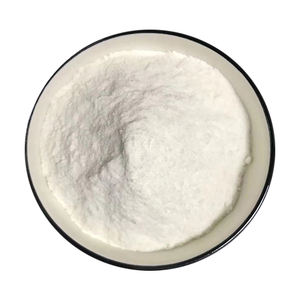
Superplasticizer in concrete remains one of the most widely used chemical admixtures. Also known as super plasticizers or concrete water reducer, these agents—especially PCE-based superplasticizers—enable significant water reduction (up to 40%) while maintaining excellent slump retention. This not only increases compressive strength but also reduces permeability, enhancing durability. Polycarboxylate superplasticizer has largely replaced older naphthalene- and melamine-based variants due to its superior performance and eco-friendliness.
Air entraining concrete incorporates microscopic air bubbles via air entraining admixture or air entraining agent, which dramatically improves resistance to freeze-thaw cycles. This is critical in northern climates where deicing salts and temperature fluctuations can cause surface scaling and internal cracking. Air entraining cement formulations are now standard in many highway and bridge specifications.
For moisture-prone environments, waterproofing admixture solutions like integral waterproofer, crystalline waterproofing admixture, and cement waterproofing additive provide long-term protection. These concrete waterproof admix products react internally to block capillary pores, offering a more reliable alternative to surface coatings. Admixture waterproofing is especially valuable in basements, tunnels, and water-retaining structures.
4. Fiber Reinforcement and Specialty Additives
Beyond traditional chemical modifiers, fibers for concrete—including polypropylene fibres for concrete, steel fibers for concrete, and even coconut fiber reinforced concrete—add tensile strength, reduce cracking, and improve impact resistance. Fiber reinforced concrete is increasingly specified in industrial floors, shotcrete, and seismic-resistant structures. Macro fibers and microfibers serve distinct roles: macro fibers control crack width post-cracking, while microfibers minimize plastic shrinkage cracks during curing.
Fibermesh concrete and steel fiber reinforced concrete exemplify how reinforcement fiber for concrete enhances structural integrity without traditional rebar in certain applications. Meanwhile, modern concrete siding options—such as Hardie concrete siding or CertainTeed concrete siding—leverage fiberfor concrete mixes to create durable, wood-look exteriors that resist rot, fire, and insects. Concrete siding cost varies, but its longevity often offsets initial investment.
5. Emerging and Niche Admixture Applications
Foaming agents for foam concrete, including protein based foaming agent and synthetic foaming agent for concrete, enable the production of lightweight cellular concrete (also called aircrete). Used in CLC blocks and insulation fills, these foaming agent used in concrete systems require precise dosing to achieve stable, uniform cell structures. Similarly, white cement—often paired with superplasticizer for aesthetic precast elements—delivers bright, clean finishes for countertops, tiles, and architectural features.
Colored concrete and stamped concrete colors rely on pigments and release agents like concrete stamp release agent or powder release agent for concrete to achieve decorative effects. Whether charcoal stamped concrete or terra cotta concrete color, these finishes combine artistry with engineered performance.
6. Conclusion
From superplasticizer admixture to crystalline waterproofing admixture and polypropylene fibre reinforcement, modern admixtures empower engineers and contractors to push the boundaries of what concrete can achieve. As innovations like Chryso’s low-carbon superplasticizers enter the market, the future of concrete lies not just in its base ingredients—but in the intelligent chemistry added to it. Selecting the best admixture for concrete depends on environmental conditions, structural demands, and sustainability goals, making a thorough understanding of admixture types essential for any construction professional.
Our Website founded on October 17, 2012, is a high-tech enterprise committed to the research and development, production, processing, sales and technical services of ceramic relative materials such as What. Our products includes but not limited to Boron Carbide Ceramic Products, Boron Nitride Ceramic Products, Silicon Carbide Ceramic Products, Silicon Nitride Ceramic Products, Zirconium Dioxide Ceramic Products, etc. If you are interested, please feel free to contact us.