Concrete4U | Concrete Admixtures, Tools, and Production Machines

Master the Essentials of Admixtures for Stronger, Smarter Concrete
1. Introduction
Just this week, a major infrastructure project in Texas announced its switch to high-performance concrete using advanced polycarboxylate ether (PCE) superplasticizers to reduce water content while maintaining flowability—a move expected to cut curing time by 30%. This highlights how admixtures are no longer optional extras but essential tools in today’s concrete technology.
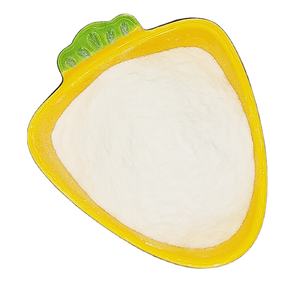
If you’ve ever wondered why some concrete pours stay workable for hours while others set in minutes—or how sidewalks resist freeze-thaw damage—you’re seeing the power of admixtures at work. These concrete additives fine-tune everything from setting time to strength, durability, and even aesthetics.
2. What Are Admixtures?
Admixtures are ingredients added to concrete, mortar, or grout during mixing to modify its properties. They can be chemical or mineral-based and are used in small quantities—typically less than 5% by weight of cement—but deliver outsized benefits.
Common goals include improving workability, accelerating or delaying setting, enhancing durability, reducing water content, or adding color and texture. Whether you’re pouring a driveway or building a skyscraper, the right admixture used in concrete makes a huge difference.
3. Major Types of Concrete Admixture
Concrete admixture types fall into two broad categories: chemical and mineral. Chemical admixtures include superplasticizers, accelerators, retarders, and air-entraining agents. Mineral admixtures—like fly ash or silica fume—improve long-term strength and reduce permeability.
- Water reducing admixtures (including mid-range and high-range types like superplasticizers)
- Accelerating admixtures for concrete (e.g., calcium chloride or non-chloride alternatives)
- Concrete retarder admixtures (used in hot weather or for complex pours)
- Air entraining admixture (creates microscopic air bubbles for freeze-thaw resistance)
- Waterproofing admixture (such as crystalline or integral waterproofer types)
- Fiber reinforcement (polypropylene, steel, or even coconut fiber for crack control)
4. Superplasticizers: The Game-Changer
Superplasticizer in concrete is arguably the most impactful modern admixture. Also called high-range water reducers, super plasticizers dramatically increase fluidity without adding water—leading to stronger, denser concrete.
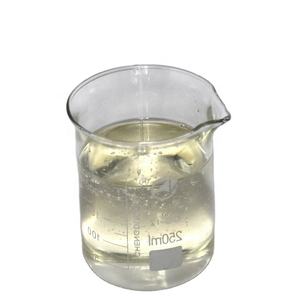
Polycarboxylate ether (PCE) superplasticizers are now the gold standard, offering better slump retention and lower dosage than older naphthalene or melamine-based versions. A PCE-based superplasticizer admixture can reduce water content by up to 40%, enabling self-consolidating or ultra-high-performance concrete mixes.
When people search for the best admixture for concrete, superplasticizer often tops the list—especially for precast, high-rise, or bridge applications where precision matters.
5. Specialized Additives for Performance & Protection
Beyond flow and strength, admixtures solve niche challenges. An integral waterproofer or crystalline waterproofing admixture reacts with moisture to seal pores from within—ideal for basements or water tanks. Unlike surface coatings, these provide permanent, admixture waterproofing throughout the matrix.
Concrete accelerator curing time is critical in cold climates; fast curing concrete additives help achieve early strength quickly. Conversely, a surface retarder concrete delays surface set for exposed-aggregate finishes.
Air entraining concrete uses an air entraining agent to trap tiny, stable air bubbles—boosting resilience against deicing salts and ice expansion. This is standard in northern U.S. roadways and driveways.
6. Fiber Reinforcement: Beyond Steel Rebar
Fibers for concrete—whether polypropylene fibres for concrete, steel fibers for concrete, or even natural options like coconut fiber reinforced concrete—add tensile strength and reduce cracking. Fiber reinforced concrete is now common in industrial floors, shotcrete, and even residential slabs.
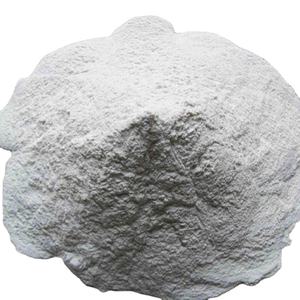
Macro fibers and microfibers serve different roles: macro fibers (like steel or synthetic) carry structural loads, while microfibers (e.g., pp fiber concrete) control plastic shrinkage. Brands like Fibermesh concrete integrate these seamlessly into ready-mix deliveries.
For homeowners, concrete fiber siding (also called fibercement siding) offers durable, wood-like aesthetics. Products from Hardie or CertainTeed mimic cedar grain while resisting rot and fire—making concrete siding for homes both stylish and practical.
7. Other Notable Concrete Chemicals
Foaming agents create lightweight cellular concrete (aircrete) for insulation blocks or void filling. Protein-based or synthetic foaming agent for foam concrete expands the mix into a stable foam structure.
Colored concrete relies on pigments and release agents. Stamped concrete colors—from charcoal to terra cotta—are applied with powder release agents during patterning. A good concrete form release agent prevents sticking without marring the finish.
White cement, prized for countertops and architectural elements, often pairs with superplasticizer to maintain workability without yellowing. Waterproof white cement variants add dual functionality for wet areas.
8. Choosing the Right Admixture
The best admixture for concrete depends on your project’s climate, design life, exposure conditions, and budget. Always consult technical data sheets (sometimes called bio data sheets) and consider compatibility—e.g., some superplasticizers interact poorly with certain cements.
Major suppliers like Chryso offer tailored solutions, but even local retailers like Home Depot carry basic concrete additives for DIYers. For specialty needs—like CLC foaming agent price comparisons or PCE superplasticizer cost—working with a supplier ensures optimal performance.
9. Conclusion
From superplasticizer admixture boosting strength to air entraining cement fighting winter damage, admixtures transform ordinary concrete into a high-performance material. As sustainability demands grow, expect more innovation in eco-friendly concrete chemicals—including bio-based plasticizers and recycled mineral admixtures. Understanding admixture types empowers builders, engineers, and homeowners to build smarter, last longer, and waste less.
Our Website founded on October 17, 2012, is a high-tech enterprise committed to the research and development, production, processing, sales and technical services of ceramic relative materials such as Master. Our products includes but not limited to Boron Carbide Ceramic Products, Boron Nitride Ceramic Products, Silicon Carbide Ceramic Products, Silicon Nitride Ceramic Products, Zirconium Dioxide Ceramic Products, etc. If you are interested, please feel free to contact us.