Concrete-mesa | Concrete Admixtures, Tools, and Production Machines

10 Essential Types of Admixtures Every Concrete Pro Should Know in 2024
1. Introduction
Just 24 hours ago, the Global Cement and Concrete Association (GCCA) announced a major industry shift toward low-carbon concrete formulations—highlighting the critical role of advanced admixtures in reducing cement content while maintaining strength. As sustainability drives innovation, understanding concrete admixtures has never been more important for builders, engineers, and DIY enthusiasts alike.
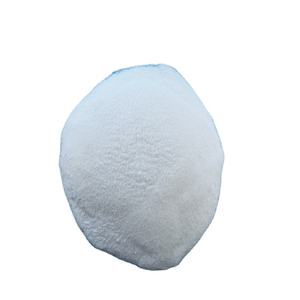
Admixtures are ingredients added to concrete before or during mixing to modify its properties. Whether you’re pouring a driveway, constructing a skyscraper, or crafting decorative stamped concrete, the right admixture can dramatically improve workability, curing time, durability, and appearance. Let’s break down the most essential types you need to know in 2024.
2. What Are Admixtures?
Admixtures—sometimes spelled ‘ad mixtures’—are chemical or mineral additives incorporated into concrete mixes to achieve specific performance goals. These concrete chemicals go beyond basic cement, water, sand, and aggregate, offering tailored solutions for everything from cold-weather pours to waterproof basements.
Modern construction rarely uses plain concrete. Instead, professionals rely on carefully selected admixture types to meet project demands. The best admixture for concrete depends on your climate, structural needs, and design goals.
3. Key Categories of Concrete Admixture Types
3.1. Water-Reducing Admixtures
Water reducing admixtures, also called concrete water reducers, lower the water-cement ratio without sacrificing workability. This boosts strength and durability. They come in mid-range and high-range varieties—with superplasticizers falling into the latter category.
Superplasticizer in concrete is a game-changer. Often based on polycarboxylate ether (PCE), these super plasticizers can reduce water content by up to 40%. Commonly labeled as superplasticizer admixture or PCE-based superplasticizer, they’re ideal for high-strength, self-consolidating, or pumpable mixes.
- Superplasticizer admixture for concrete improves flow without segregation
- Polycarboxylate superplasticizer offers better slump retention than older naphthalene or melamine types
- Best superplasticizer for concrete today is typically PCE-based due to its efficiency and eco-profile
3.2. Set-Modifying Admixtures
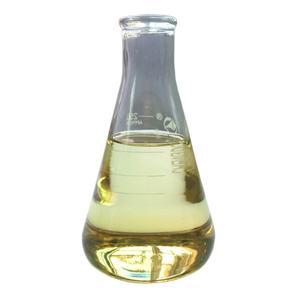
Concrete accelerator and concrete retarder admixtures control curing speed. Accelerating admixtures for concrete shorten setting time—crucial in cold weather or when fast formwork removal is needed. They directly impact concrete accelerator curing time, enabling same-day finishing in some cases.
Conversely, a concrete retarder admixture delays hydration, useful in hot climates or for large pours where extended workability is needed. Surface retarder concrete is a specialty type used in exposed-aggregate finishes.
3.3. Air-Entraining Admixtures
Air entraining concrete contains microscopic air bubbles created by an air entraining agent. This admixture type significantly improves freeze-thaw resistance—making it essential for roads, bridges, and outdoor slabs in cold regions.
Also called air entraining admixture or air entraining cement additive, this category enhances durability without major strength loss. Look for terms like air entraining concrete or air entraining when selecting cold-weather mixes.
3.4. Waterproofing and Integral Additives
Waterproofing admixture for concrete includes integral waterproofers that react within the matrix to block moisture. Crystalline waterproofing admixture forms insoluble crystals that seal pores, while cement waterproofing additive or concrete waterproof admix provides long-term protection against seepage.
These admixture waterproofing solutions are vital for basements, tunnels, and water tanks. Unlike surface coatings, they protect from within—making them more durable and maintenance-free.
3.5. Mineral Admixtures
Mineral admixture includes fly ash, slag, and silica fume. These supplementary cementitious materials replace part of the Portland cement, reducing CO2 emissions and improving long-term strength and sulfate resistance.
Though not chemical admixtures, they’re often used alongside superplasticizers to maintain workability in low-cement mixes—a key strategy in today’s green building standards.
4. Fiber Reinforcement: Beyond Traditional Rebar
Fiber reinforced concrete is gaining massive traction thanks to its crack-control benefits. Fibers for concrete include polypropylene fibres for concrete (PP fiber concrete), steel fibers for concrete, and even coconut fiber reinforced concrete for niche sustainable builds.
Macro fibers and microfibers serve different purposes: macro fibers boost post-crack toughness (used in industrial floors), while microfibers reduce plastic shrinkage cracks. Products like fibermesh concrete integrate these seamlessly.
From concrete fiber siding to structural elements, fiberfor concrete mix enhances durability without heavy rebar. Modern concrete siding—such as Hardie or CertainTeed brands—often uses fiber cement siding with cellulose or synthetic fibers for lightweight, wood-like aesthetics.
5. Specialty Additives for Aesthetics and Function
Colored concrete and stamped concrete colors rely on pigments and release agents. Concrete release agent—available as powder, liquid, or spray—prevents stamps from sticking while adding accent colors like charcoal, terra cotta, or brown stamped concrete hues.
Foaming agents create lightweight cellular concrete. CLC foaming agent or protein-based foaming agent produces aircrete used in insulating blocks. Meanwhile, white cement enables bright finishes for countertops or decorative elements.
6. Conclusion
Today’s concrete is smarter, stronger, and more versatile than ever—thanks to advanced admixtures. Whether you need a superplasticizer to cut water content, an air entraining agent for winter resilience, or a crystalline waterproofing admixture for a basement, there’s a solution engineered for your challenge. As the industry moves toward sustainability and performance, mastering these concrete additives isn’t optional—it’s essential.
Our Website founded on October 17, 2012, is a high-tech enterprise committed to the research and development, production, processing, sales and technical services of ceramic relative materials such as 10. Our products includes but not limited to Boron Carbide Ceramic Products, Boron Nitride Ceramic Products, Silicon Carbide Ceramic Products, Silicon Nitride Ceramic Products, Zirconium Dioxide Ceramic Products, etc. If you are interested, please feel free to contact us.