Concrete4U | Concrete Admixtures, Tools, and Production Machines

Admixtures Are Revolutionizing Modern Concrete—Here’s Everything You Need to Know
1. Introduction
Just 24 hours ago, the American Concrete Institute (ACI) released updated guidelines emphasizing the critical role of advanced admixtures in achieving sustainable, high-performance concrete amid global infrastructure upgrades. With climate resilience and material efficiency at the forefront of modern construction, admixtures have moved from optional additives to essential components in virtually every concrete mix. Whether you’re a contractor, engineer, or DIY enthusiast, understanding admixtures is no longer just helpful—it’s necessary.
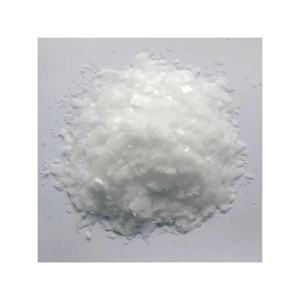
Admixtures—also spelled ‘ad mixtures’—are materials added to concrete before or during mixing to modify its properties. Far beyond simple fillers, these concrete chemicals can accelerate curing, reduce water content, improve workability, add color, or even make concrete waterproof. The right admixture used in concrete can mean the difference between a structure that lasts decades and one that cracks within years.
2. What Are Admixtures and Why Do They Matter?
Admixtures are categorized broadly into chemical and mineral types. Chemical admixtures include liquid or powder additives like superplasticizers, retarders, and accelerators, while mineral admixtures—such as fly ash or silica fume—are finely ground materials that enhance long-term strength and durability. Together, they form the backbone of modern concrete technology, allowing for everything from fast-curing airport runways to elegant white concrete countertops.
The demand for high-performance concrete has skyrocketed, especially with innovations like fiber-reinforced concrete and crystalline waterproofing admixtures. Today’s best admixture for concrete depends on the project: a bridge might need steel fibers for concrete reinforcement, while a backyard patio could benefit from colored stamped concrete with a release agent for intricate patterns.
3. Major Types of Concrete Admixtures
3.1 Water-Reducing Admixtures and Superplasticizers
Water reducing admixtures are among the most widely used concrete additives. They allow for lower water-cement ratios without sacrificing workability—critical for stronger, more durable concrete. Superplasticizers (also called high-range water reducers) take this further, enabling dramatic slump increases with minimal water. Polycarboxylate ether (PCE)-based superplasticizers are now the gold standard due to their efficiency and compatibility with modern cements. These super plasticizers are essential in self-consolidating concrete and precast applications where flowability matters.
Common terms you’ll encounter include concrete water reducer, polycarboxylate superplasticizer, and PCE-based superplasticizer. Brands like Chryso admixture offer tailored formulations, but even home improvement stores like Home Depot carry basic superplasticizer for small-scale projects.
3.2 Set-Modifying Admixtures: Accelerators and Retarders
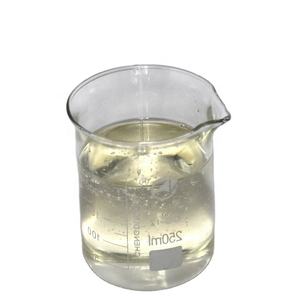
Concrete accelerator admixtures shorten curing time—ideal for cold-weather pours or emergency repairs. Conversely, concrete retarder admixtures delay setting, useful in hot climates or for large pours where workability must be maintained. Surface retarder concrete products are also used in decorative applications to expose aggregate.
Accelerating admixtures for concrete often contain calcium chloride or non-chloride alternatives to avoid corrosion. Meanwhile, an admixture retarder ensures uniform hardening across complex structures. Both directly impact concrete accelerator curing time and overall project scheduling.
3.3 Air-Entraining and Waterproofing Admixtures
Air entraining concrete contains microscopic air bubbles created by air entraining admixtures (or air entraining agents). These bubbles improve freeze-thaw resistance—vital in northern climates. Air entraining cement isn’t a separate product; rather, it’s standard concrete with an added air-entraining admixture.
On the waterproofing front, integral waterproofer and crystalline waterproofing admixture technologies are gaining traction. Unlike surface sealers, these concrete waterproofing additives react internally to block moisture penetration. Waterproof admix solutions like cement waterproofing additive or concrete waterproof admix provide long-term protection without maintenance.
3.4 Fiber Reinforcement and Specialty Additives
Fibers for concrete—ranging from polypropylene fibres for concrete to steel fibers for concrete—add tensile strength and crack resistance. Fiber reinforced concrete is now standard in industrial floors, tunnels, and even residential siding. Products like Hardie concrete siding and CertainTeed concrete siding use fiberfor concrete mixes to mimic wood grain while offering superior durability.
Modern concrete siding options—including concrete fiber siding, fibercement siding, and concrete cement siding—are popular for their low maintenance and fire resistance. Coconut fiber reinforced concrete is even being explored for eco-friendly builds. Whether you’re comparing concrete siding cost or seeking concrete siding that looks like wood, fiber reinforcement plays a key role.
3.5 Foaming Agents and Aesthetic Additives
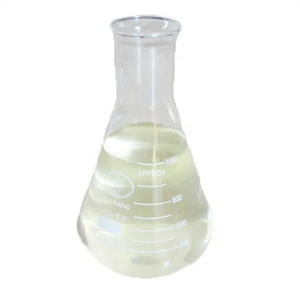
For lightweight applications like CLC (Cellular Lightweight Concrete) blocks, a concrete foaming agent creates stable air pockets. Protein-based foaming agents and synthetic foaming agents are common, with CLC foaming agent price varying by region. Foamcrete machines rely on consistent foaming agent used in foam concrete to produce insulating, low-density blocks.
Aesthetically, colored concrete transforms ordinary slabs into art. Stamped concrete colors—from charcoal concrete color to terra cotta concrete color—paired with concrete release agents (like powder release agent or spray release agent) create realistic textures. White cement, prized for its brightness, is used in white concrete countertops and decorative finishes, often enhanced with superplasticizer to maintain flow without excess water.
4. Choosing the Right Admixture
Selecting the best admixture for concrete starts with understanding your project’s environmental exposure, structural demands, and aesthetic goals. For waterproofing, consider a waterproofing admixture for concrete with crystalline technology. For high-strength needs, combine a superplasticizer admixture with macro fibers or carbon fiber reinforcement in concrete. Always consult technical data sheets—sometimes called bio data sheets—and follow manufacturer dosage guidelines.
5. Conclusion
From superplasticizer in concrete to coconut fibre concrete, admixtures have evolved into a sophisticated toolkit that empowers builders to push the limits of what concrete can do. Whether you’re optimizing for speed, strength, beauty, or sustainability, there’s an admixture—or combination—that fits the bill. As ACI’s latest guidance shows, mastering these concrete additives isn’t just about better pours—it’s about building smarter for the future.
Our Website founded on October 17, 2012, is a high-tech enterprise committed to the research and development, production, processing, sales and technical services of ceramic relative materials such as Admixtures. Our products includes but not limited to Boron Carbide Ceramic Products, Boron Nitride Ceramic Products, Silicon Carbide Ceramic Products, Silicon Nitride Ceramic Products, Zirconium Dioxide Ceramic Products, etc. If you are interested, please feel free to contact us.