Concrete4U | Concrete Admixtures, Tools, and Production Machines

10 Essential Types of Admixtures Every Concrete Pro Should Know
1. Introduction
Ever wonder how skyscrapers stand tall or how bridges last decades despite harsh weather? The secret often lies not just in design—but in what’s mixed into the concrete itself. Enter: admixtures. These concrete additives—also called concrete chemicals or cement admixtures—are game-changers in modern construction.
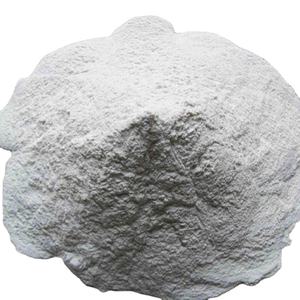
Admixtures are ingredients added to concrete before or during mixing to modify its properties. Whether you’re aiming for faster curing, better flow, enhanced strength, or even a wood-like finish on concrete siding, there’s an admixture for that. Let’s explore the 10 essential types every builder, engineer, or DIYer should know.
2. Water-Reducing Admixtures
Water-reducing admixtures are among the most common concrete additives. They allow you to cut back on mixing water without sacrificing workability—resulting in stronger, more durable concrete.
- Concrete water reducer types include mid-range and high-range varieties.
- High-range water reducers are often synonymous with superplasticizers.
- Using a water reducer improves compressive strength and reduces permeability.
These admixtures are especially useful when pouring in tight spaces or creating high-strength mixes like those used in precast elements or foundations.
3. Superplasticizers (High-Range Water Reducers)
Superplasticizers—also known as super plasticizers or polycarboxylate ether (PCE) admixtures—are powerful concrete plasticisers that dramatically increase fluidity without adding extra water.
The best superplasticizer for concrete depends on your mix design, but PCE-based options are widely favored for their efficiency and compatibility. Naphthalene and melamine-based superplasticizers are older alternatives still in use.
Superplasticizer in concrete enables self-consolidating mixes, ideal for complex forms or heavily reinforced sections. It’s also key in producing high-performance concrete with low water-cement ratios.
Whether you’re sourcing from Chryso admixture lines or local suppliers, superplasticizer admixture remains a cornerstone of modern concrete technology.
4. Accelerating and Retarding Admixtures
Timing is everything in concrete work. That’s where accelerating admixtures for concrete and concrete retarder admixtures come in.
Concrete accelerator additives shorten setting time and boost early strength—perfect for cold-weather pours or fast-track projects. On the flip side, a concrete retarder (or surface retarder concrete) delays hardening, giving crews more time to finish large slabs or work in hot climates.
Some products even combine both functions for precise control over concrete accelerator curing time.
5. Air-Entraining Admixtures
Air entraining concrete contains microscopic air bubbles that improve freeze-thaw resistance—a must in colder regions.
An air entraining admixture (or air entraining agent) introduces these bubbles during mixing. This type of admixture used in concrete enhances durability without significantly reducing strength.
Look for terms like air entraining cement or air entraining concrete when selecting products for outdoor applications like driveways or sidewalks.
6. Waterproofing Admixtures
Want concrete that repels water from within? Waterproofing admixtures do just that.
Options include integral waterproofer formulas, crystalline waterproofing admixture systems, and cement waterproofing additives. These concrete waterproof admix solutions react with moisture to form insoluble crystals that block capillary pores.
Whether you’re building a basement, water tank, or foundation wall, a quality waterproofing admixture for concrete adds long-term protection against leaks and corrosion.
7. Mineral Admixtures
Mineral admixtures like fly ash, silica fume, and slag are supplementary cementitious materials that enhance long-term strength and sustainability.
Unlike chemical admixtures, these are finely ground minerals that partially replace Portland cement. They reduce heat of hydration, improve workability, and lower the carbon footprint of concrete.
Often grouped under ‘concrete additives,’ mineral admixtures are essential for green building and high-durability applications.
8. Fiber Reinforcement
Fibers for concrete—whether steel, polypropylene, or even coconut fiber—add tensile strength and crack resistance.
Fiber reinforced concrete is used everywhere from industrial floors to decorative concrete siding. Popular choices include:
- Polypropylene fibres for concrete (PP fiber concrete) for shrinkage control.
- Steel fibers for concrete in heavy-duty applications like tunnel linings.
- Macro fibers and microfibers for varied performance needs.
Brands like Hardie and CertainTeed offer concrete fiber siding that mimics wood grain—ideal for modern concrete siding homes seeking low maintenance and high aesthetics.
9. Foaming Agents for Lightweight Concrete
Need lightweight, insulating concrete? Foaming agents create cellular or foam concrete by introducing stable air bubbles.
Common types include protein-based foaming agents and synthetic variants used in CLC (cellular lightweight concrete) blocks. A good foaming agent for foam concrete ensures uniform bubble distribution and structural integrity.
These are essential for making aircrete, insulation panels, and even eco-friendly building blocks.
10. Specialty Additives: Color, Release, and More
Beyond performance, admixtures can enhance appearance and ease of use.
Colored concrete powders and stamp release agents let you create stamped and colored concrete with realistic patterns—from brickform liquid release to charcoal stamped concrete finishes.
White cement is another specialty product, prized for countertops, tiles, and decorative white concrete mixes. Pair it with a concrete release agent or powder release agent for flawless molds.
Even DIYers can find concrete additives at Home Depot for small projects like patios or garden paths.
Conclusion
From superplasticizer admixture to fiber reinforcement and waterproof admix, concrete admixtures unlock endless possibilities in construction. Understanding admixture types—and choosing the best admixture for concrete based on your project’s needs—can mean the difference between average results and exceptional performance. Whether you’re pouring a driveway, designing a high-rise, or installing concrete siding that looks like wood, the right admixture makes all the difference.
Our Website founded on October 17, 2012, is a high-tech enterprise committed to the research and development, production, processing, sales and technical services of ceramic relative materials such as 10. Our products includes but not limited to Boron Carbide Ceramic Products, Boron Nitride Ceramic Products, Silicon Carbide Ceramic Products, Silicon Nitride Ceramic Products, Zirconium Dioxide Ceramic Products, etc. If you are interested, please feel free to contact us.