Concrete-mesa | Concrete Admixtures, Tools, and Production Machines

How Advanced Admixtures Are Revolutionizing Fiber-Reinforced Concrete for Modern Siding Applications
1. Introduction
Just 24 hours ago, leading building materials manufacturer James Hardie announced a breakthrough in its next-generation fibercement siding line—engineered with advanced concrete admixtures that enhance durability, reduce curing time, and mimic natural wood grain without the maintenance. This development highlights a growing trend: the strategic use of specialized admixtures in niche construction applications far beyond standard structural concrete.
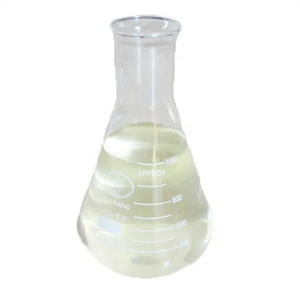
In today’s sustainable and design-forward construction landscape, concrete isn’t just for foundations or highways. It’s being transformed into elegant, resilient exterior cladding—thanks largely to precisely formulated concrete chemicals. This article dives into how admixtures like superplasticizers, integral waterproofers, and fiber reinforcements are redefining modern concrete siding.
2. The Role of Admixtures in High-Performance Fibercement Siding
Fibercement siding—often marketed as ‘concrete siding’ or ‘cement house siding’—combines Portland cement, sand, water, and cellulose or synthetic fibers. But what makes today’s versions superior to older iterations? The answer lies in the admixture used in concrete formulations.
Modern concrete admixture types are carefully selected to address key challenges: workability during manufacturing, rapid curing for production efficiency, long-term moisture resistance, and crack control. Without these chemical enhancements, achieving the slim profiles, smooth finishes, and weather resilience demanded by architects and homeowners would be nearly impossible.
2.1 Superplasticizers: Enabling Precision and Flow
One of the most critical concrete additives in fibercement production is the superplasticizer. Also known as high-range water reducers, superplasticizers like polycarboxylate ether (PCE) drastically reduce water content while maintaining fluidity—essential when casting thin, detailed panels with intricate textures that mimic wood grain.
Superplasticizer in concrete allows manufacturers to achieve a homogeneous mix even with high fiber content. Whether using polypropylene fibres for concrete or steel fibers for concrete, the plasticizer admixture ensures even dispersion without clumping. This results in consistent strength and surface quality across every panel—critical for products like Hardie concrete siding or Certainteed concrete siding sold at retailers like Home Depot.
2.2 Waterproofing Admixtures: Built-In Moisture Defense
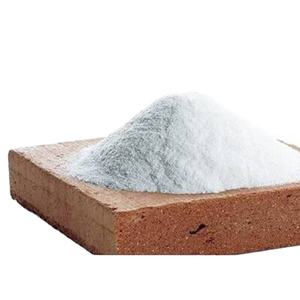
Unlike traditional paint-on sealants, modern concrete siding integrates waterproofing admixture directly into the mix. Crystalline waterproofing admixture and integral waterproofer technologies react with cementitious materials to form insoluble crystals that block capillary pores—making the entire panel inherently resistant to water ingress.
This approach eliminates the need for frequent repainting or sealing, a major selling point for low-maintenance ‘concrete siding that looks like wood.’ Cement waterproofing additive systems also prevent efflorescence and freeze-thaw damage, extending service life in harsh climates.
2.3 Fiber Reinforcement: From Micro to Macro
Fiber reinforced concrete is the backbone of durable siding. While early versions used asbestos (now banned), today’s formulations rely on safe, high-performance fibers: polypropylene fibre, cellulose, or even coconut fiber reinforced concrete for eco-friendly options.
- Polypropylene fibres for concrete provide micro-reinforcement, controlling plastic shrinkage cracks during early curing.
- Macro fibers like steel fibers for concrete add post-crack tensile strength, crucial for impact resistance during shipping and installation.
- Natural fibers such as coconut fibre concrete offer sustainability benefits without sacrificing performance when paired with the right admixture retarder or accelerator.
The synergy between fibers and chemical admixtures—like concrete accelerator curing time reducers or concrete retarder admixture for controlled setting—ensures optimal handling and final properties.
2.4 Supporting Additives: Release Agents, Retarders, and More
During manufacturing, surface retarder concrete agents help create textured finishes by delaying surface set, allowing stamping or brushing. Meanwhile, concrete release agent sprays—often water-based release agents—prevent panels from sticking to molds without leaving residue.
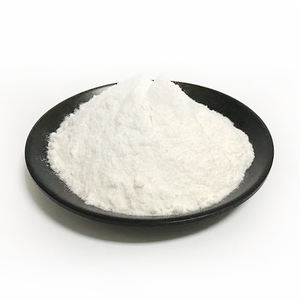
Accelerating admixtures for concrete speed up demolding, boosting production throughput. Conversely, in hot climates, an admixture retarder prevents premature stiffening. Even colored concrete elements are possible using tinted release powders that double as pigments.
3. Why Admixture Selection Matters for End Users
Homeowners choosing concrete fiber siding care about aesthetics, longevity, and cost. The best admixture for concrete directly impacts all three. Panels made with PCE-based superplasticizer admixture exhibit smoother surfaces, fewer defects, and better color consistency—key for ‘modern concrete siding’ that commands premium pricing.
Moreover, proper use of air entraining admixture improves freeze-thaw resistance in northern regions, while fast curing concrete additives reduce factory lead times, lowering overall concrete siding cost. Brands like Hardie and Certainteed invest heavily in proprietary concrete chemicals to differentiate their products.
4. Conclusion
The evolution of concrete siding from utilitarian cladding to high-design architectural element is powered by innovation in admixtures. From superplasticizers enabling ultra-thin profiles to crystalline waterproofing admixtures offering lifelong moisture protection, these concrete additives are anything but optional—they’re essential. As demand grows for sustainable, low-maintenance exteriors, expect even smarter admixture formulations to shape the future of building facades.
Our Website founded on October 17, 2012, is a high-tech enterprise committed to the research and development, production, processing, sales and technical services of ceramic relative materials such as How. Our products includes but not limited to Boron Carbide Ceramic Products, Boron Nitride Ceramic Products, Silicon Carbide Ceramic Products, Silicon Nitride Ceramic Products, Zirconium Dioxide Ceramic Products, etc. If you are interested, please feel free to contact us.