Concrete4U | Concrete Admixtures, Tools, and Production Machines

Admixtures Are the Secret Sauce That Makes Modern Concrete Sing—Here’s How
1. Introduction
Just 36 hours ago, engineers in Dubai broke ground on a carbon-neutral skyscraper that uses self-healing concrete infused with crystalline waterproofing admixtures—a perfect reminder that modern concrete is far from your grandpa’s gray slurry. Today’s concrete is smarter, tougher, and more versatile, thanks largely to one thing: admixtures. These concrete additives are like the spice rack of construction—add the right pinch, and suddenly your mix goes from bland to brilliant.
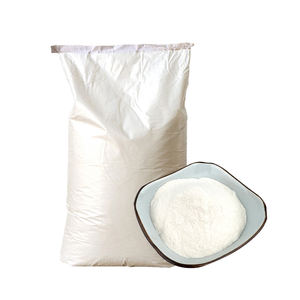
Whether you’re pouring a patio or erecting a stadium, understanding admixtures can save time, money, and structural headaches. So grab your hard hat (and maybe a margarita—salt rim optional), because we’re diving into the fizzy, foamy, fiber-filled world of concrete chemistry.
2. What Exactly Are Admixtures?
In simple terms, admixtures are ingredients added to concrete before or during mixing to modify its properties. Think of them as performance enhancers for your cement cocktail. The term ‘admixtures’ (sometimes misspelled as ‘ad mixtures’) covers a wild range of concrete chemicals—from liquids that speed up curing to powders that make concrete repel water like a duck’s back.
The American Concrete Institute recognizes dozens of admixture types, but they generally fall into two buckets: chemical admixtures (like superplasticizers) and mineral admixtures (like fly ash). Both play crucial roles in tailoring concrete for specific needs.
3. The Superstars: Superplasticizers and Water Reducers
If concrete had a red carpet, superplasticizers would be strutting down it in designer threads. Also called high-range water reducers, these concrete additives dramatically increase workability without adding extra water—which is huge, because too much water weakens concrete.
Modern superplasticizer admixtures often use polycarboxylate ether (PCE), a fancy-sounding molecule that acts like a microscopic bouncer, keeping cement particles apart so the mix flows smoothly. Older versions used naphthalene or melamine sulfonates, but PCE-based superplasticizers now dominate thanks to better slump retention and lower dosage requirements.
- Polycarboxylate superplasticizer improves strength and finish
- Naphthalene-based superplasticizer is cost-effective for mass pours
- Melamine superplasticizer offers good early strength gain
You’ll often see terms like ‘concrete water reducer,’ ‘water reducing admixtures,’ or ‘superplasticizer in concrete’ used interchangeably—but technically, superplasticizers are a subset of high-range water reducers. And yes, they really are the best admixture for concrete when you need flow without compromise.
4. Timing Is Everything: Accelerators and Retarders
Concrete doesn’t always cure on your schedule. Enter accelerating admixtures for concrete and concrete retarder options. Need fast curing concrete additives to pour a driveway before a weekend storm? A concrete accelerator cuts curing time dramatically—ideal for cold weather or emergency repairs.
On the flip side, if you’re working in scorching heat or managing a massive pour, a concrete retarder admixture (or surface retarder concrete for decorative finishes) buys you precious extra minutes. These admixture retarders slow hydration so your crew isn’t racing against the clock—or gravity.
Pro tip: Don’t confuse concrete accelerator curing time with actual strength development. Accelerators help set faster, but full strength still takes days.
5. Air, Water, and Weatherproofing
Ever wonder how northern roads survive freeze-thaw cycles? Thank air entraining admixtures. These concrete additives create billions of microscopic bubbles that act as pressure relief valves when water freezes inside the concrete. Without them, your sidewalk would crack like an ice cube dropped in warm soup.
Air entraining concrete is standard in cold climates, and the key ingredient—an air entraining agent—can be derived from vinsol resin or synthetic detergents. Look for terms like ‘air entraining cement’ or ‘air entraining concrete’ on spec sheets.
Meanwhile, waterproofing is another frontier. From integral waterproofer to crystalline waterproofing admixture, these concrete waterproofing additives react with moisture to form insoluble crystals that block capillaries. Unlike surface sealers, they work from within—making them ideal for basements, tunnels, and swimming pools. Popular options include cement waterproofing additive and concrete waterproof admix formulas.
6. Fiber Reinforcement: When Concrete Needs a Six-Pack
Forget steel rebar for a sec—fiber reinforced concrete is having a moment. Whether it’s polypropylene fibres for concrete, steel fibers for concrete, or even coconut fiber reinforced concrete (yes, really!), reinforcement fiber for concrete adds tensile strength and reduces cracking.
Macro fibers handle structural loads, while microfibers (like concrete microfiber) control plastic shrinkage. Brands like Fibermesh offer ready-to-mix solutions, and homeowners love fiber cement siding (often sold as Hardie or Certainteed concrete siding) for its wood-like looks and durability.
- Polypropylene fibre = crack control
- Steel fiber reinforced concrete = impact resistance
- Carbon fiber reinforcement in concrete = ultra-high performance (but pricey!)
And no, concrete fiber siding won’t rot, warp, or invite termites—plus, modern versions mimic cedar shakes or clapboard so convincingly, your neighbors might accuse you of cheating.
7. Bonus Round: Foaming Agents, Color, and Release Agents
Want lightweight concrete? A concrete foaming agent whips air into the mix, creating foam concrete or CLC (cellular lightweight concrete). Protein-based or synthetic foaming agents determine density and strength—critical for blocks or insulation panels.
Craving curb appeal? Colored concrete and stamped concrete colors let you go from charcoal to terra cotta with a sprinkle of pigment and a stamp. Use a concrete release agent (powder or spray) to keep molds from sticking—brickform liquid release is a contractor favorite.
And don’t forget white cement! Used in countertops, tiles, and decorative elements, white Portland cement offers a clean canvas for tints and stains. Just remember: it’s not inherently waterproof—pair it with a waterproofing admixture if needed.
8. Conclusion
Admixtures aren’t just optional extras—they’re essential tools that transform basic concrete into a high-performance, customizable material. Whether you’re using a superplasticizer admixture to achieve mirror-smooth finishes, an air entraining agent to battle winter, or fibers to boost resilience, these concrete additives are the quiet geniuses behind modern construction. So next time you walk on a flawless plaza or admire a sleek concrete facade, tip your hat to the humble admixture—it’s doing the heavy lifting behind the scenes.
Our Website founded on October 17, 2012, is a high-tech enterprise committed to the research and development, production, processing, sales and technical services of ceramic relative materials such as Admixtures. Our products includes but not limited to Boron Carbide Ceramic Products, Boron Nitride Ceramic Products, Silicon Carbide Ceramic Products, Silicon Nitride Ceramic Products, Zirconium Dioxide Ceramic Products, etc. If you are interested, please feel free to contact us.