Concrete4U | Concrete Admixtures, Tools, and Production Machines

Admixtures Are Revolutionizing Modern Concrete—Here’s Everything You Need to Know
1. Introduction
Just 24 hours ago, a major breakthrough in sustainable construction was announced: a leading global materials company unveiled a new generation of bio-based superplasticizers that reduce carbon emissions by up to 30% without compromising strength. This innovation highlights how concrete admixtures are no longer just performance enhancers—they’re key players in the green building revolution. Whether you’re pouring a driveway, constructing a skyscraper, or exploring modern concrete siding options, understanding admixtures can make or break your project’s success.
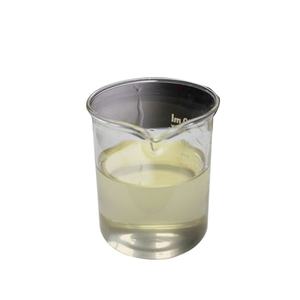
Admixtures—often called concrete additives—are chemical, mineral, or fibrous materials added to concrete before or during mixing to modify its properties. From improving workability to accelerating curing time or adding waterproofing capabilities, these ingredients give builders unprecedented control over concrete behavior. In this article, we’ll dive deep into the types, uses, and benefits of admixtures, including superplasticizers, air-entraining agents, waterproofing compounds, fibers, and more.
2. What Are Admixtures and Why Do They Matter?
Admixtures are essential components in modern concrete technology. The term ‘admixtures’ (sometimes written as ‘ad mixtures’) broadly refers to any material other than water, aggregates, and cement that’s added to a concrete mix to enhance its fresh or hardened properties. These concrete chemicals can be categorized into two main groups: chemical admixtures and mineral admixtures. Chemical admixtures include liquid or powder additives like superplasticizers and accelerators, while mineral admixtures—such as fly ash or silica fume—are finely ground materials that improve long-term durability and strength.
The right admixture used in concrete can solve common problems like cracking, slow setting, poor finishability, or water penetration. For instance, if you’re working in cold weather, an accelerating admixture for concrete can shorten curing time. In hot climates, a concrete retarder admixture prevents premature hardening. With so many concrete admixture types available, selecting the best admixture for concrete depends on your specific environmental conditions, structural requirements, and aesthetic goals.
3. Key Types of Concrete Admixtures
3.1 Water-Reducing Admixtures and Superplasticizers
Water reducing admixtures are among the most widely used concrete additives. They allow for lower water content while maintaining workability—resulting in higher strength and durability. Within this category, superplasticizers (also known as high-range water reducers) stand out. A superplasticizer in concrete can reduce water content by 15–30%, enabling the creation of high-strength, self-consolidating, or ultra-high-performance concrete mixes.
Modern superplasticizers are often based on polycarboxylate ether (PCE), offering superior slump retention compared to older naphthalene or melamine-based versions. Whether labeled as super plasticizers, PCE superplasticizer, or polycarboxylate superplasticizer, these admixtures are crucial for projects requiring precision flow without segregation. Contractors frequently search for terms like ‘superplasticizer near me’ or ‘best superplasticizer for concrete’ when sourcing these vital additives.
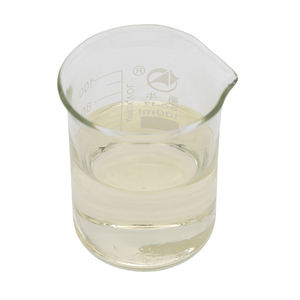
3.2 Set-Modifying Admixtures: Accelerators and Retarders
Concrete accelerator and concrete retarder admixtures control the setting time of cement. Accelerating admixtures for concrete—like calcium chloride or non-chloride alternatives—speed up hydration, which is ideal for cold-weather pours or fast-track repairs. They directly impact concrete accelerator curing time, allowing forms to be stripped sooner and reducing project delays.
Conversely, a concrete retarder (or admixture retarder) delays setting, giving crews more time to place and finish large slabs in hot conditions. Surface retarder concrete products are even used in decorative applications to expose aggregate by slowing the surface set while the interior hardens normally.
3.3 Air-Entraining and Waterproofing Admixtures
Air entraining concrete contains microscopic air bubbles created by air entraining admixtures (or air entraining agents). These bubbles improve freeze-thaw resistance—critical in northern climates—and enhance workability. Often referred to as air entraining cement when pre-blended, this technique has been standard in infrastructure for decades.
On the waterproofing front, integral waterproofer and crystalline waterproofing admixture technologies are gaining traction. Unlike surface sealers, these concrete waterproofing additives react within the matrix to block capillary pores. Products like cement waterproofing additive or concrete waterproof admix provide long-term protection against moisture ingress—essential for basements, tunnels, and water tanks. Terms like waterproofing admixture for concrete and admixture waterproofing reflect growing demand for durable, maintenance-free solutions.
4. Fiber Reinforcement and Specialty Additives
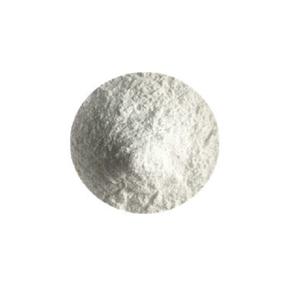
Fibers for concrete—ranging from polypropylene fibres for concrete to steel fibers for concrete—add tensile strength, reduce cracking, and improve impact resistance. Fiber reinforced concrete is now common in industrial floors, shotcrete, and even residential applications like concrete fiber siding. Homeowners searching for ‘concrete siding that looks like wood’ often choose fiber cement siding from brands like Hardie or CertainTeed, which blend cellulose or synthetic fibers with cement for durability and aesthetics.
Beyond structural fibers, additives like concrete foaming agent enable lightweight cellular concrete (also called foamcrete). Used in CLC blocks or insulation fills, foaming agents—whether protein-based or synthetic—create stable air voids. Meanwhile, colored concrete enthusiasts rely on release agents and color powders to achieve stamped concrete colors and patterns, from charcoal stamped concrete to terra cotta hues.
5. Choosing the Right Admixture for Your Project
Selecting the best admixture for concrete isn’t one-size-fits-all. Consider your climate, structural load, exposure conditions, and finish requirements. For high-flow applications, a polycarboxylate-based superplasticizer admixture is ideal. For exterior walls in rainy regions, a crystalline waterproofing admixture offers permanent protection. And for decorative stamped work, pairing a concrete form release agent with color powder ensures crisp patterns and vibrant finishes.
Don’t overlook compatibility—some admixtures interact poorly when combined. Always consult technical data sheets (sometimes called bio data sheets in error) and follow manufacturer guidelines. Major suppliers like Chryso offer tailored solutions, but even home improvement stores like Home Depot carry basic concrete additives for mortar and small-scale jobs.
6. Conclusion
From superplasticizer admixture formulations that enable greener builds to fiber reinforcement that mimics wood grain in modern concrete siding, admixtures are transforming how we design, construct, and maintain structures. As innovations continue—like the newly launched bio-superplasticizers—the line between traditional concrete and high-tech composite material blurs. Understanding concrete admixture types and their applications empowers builders to create safer, smarter, and more sustainable projects. Whether you’re a civil engineer or a weekend DIYer, mastering admixtures is no longer optional—it’s essential.
Our Website founded on October 17, 2012, is a high-tech enterprise committed to the research and development, production, processing, sales and technical services of ceramic relative materials such as Admixtures. Our products includes but not limited to Boron Carbide Ceramic Products, Boron Nitride Ceramic Products, Silicon Carbide Ceramic Products, Silicon Nitride Ceramic Products, Zirconium Dioxide Ceramic Products, etc. If you are interested, please feel free to contact us.