Concrete4U | Concrete Admixtures, Tools, and Production Machines

Superplasticizers vs. Traditional Water Reducers: The Ultimate Guide to Modern Concrete Admixtures
1. Introduction
Just 24 hours ago, global construction giant LafargeHolcim announced a strategic shift toward low-carbon concrete mixes using next-generation polycarboxylate ether (PCE) superplasticizers—highlighting how rapidly the admixtures market is evolving. As sustainability and performance demands rise, understanding the nuances between different concrete admixtures has never been more critical. Whether you’re pouring high-rise foundations or crafting decorative stamped concrete, the right admixture can make or break your project.
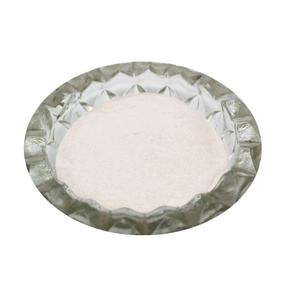
Concrete admixtures—also called ad mixtures or concrete additives—are chemical compounds added to concrete before or during mixing to modify its properties. From improving workability to accelerating curing time or enhancing waterproofing, these concrete chemicals are indispensable in modern construction. Among the most impactful are superplasticizers, which dramatically reduce water content while maintaining flowability.
2. Superplasticizers: The Game-Changers in Concrete Technology
Superplasticizers, or high-range water reducing admixtures, are the gold standard for producing high-strength, self-consolidating, or ultra-durable concrete. Unlike basic plasticizers for concrete, super plasticizers can reduce water content by 20–40% without sacrificing workability—making them essential for projects requiring precision and strength.
There are three main generations of superplasticizer admixture: lignosulfonates (first-gen), naphthalene- and melamine-based (second-gen), and polycarboxylate ether (PCE)-based (third-gen). Today, PCE superplasticizers dominate the market due to their superior performance and environmental profile.
- Naphthalene-based superplasticizers offer strong water reduction but suffer from rapid slump loss and higher toxicity.
- Polycarboxylate ether (PCE) superplasticizers provide excellent slump retention, lower dosage requirements, and compatibility with supplementary cementitious materials like fly ash or slag.
3. Water Reducing Admixtures: Beyond Basic Plasticizers
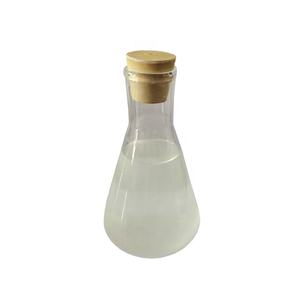
Not all water reducers are created equal. Mid-range water reducers improve workability moderately and are often used in residential slabs or sidewalks. In contrast, high-range water reducers—i.e., superplasticizers—are used in bridges, tunnels, and precast elements where high fluidity and low permeability are non-negotiable.
A concrete water reducer like a melamine sulfonate superplasticizer might be cheaper upfront, but it often requires re-dosing on-site due to poor slump retention. Meanwhile, PCE-based systems maintain consistency over time, reducing labor and waste. For contractors seeking the best admixture for concrete in demanding environments, PCE is increasingly the default choice.
4. Specialty Admixtures: Accelerators, Retarders, and Waterproofers
Beyond flow and strength, other admixture types address specific challenges. Concrete accelerator additives shorten setting time—ideal for cold-weather pours or fast-track repairs. Conversely, a concrete retarder admixture delays hydration, useful in hot climates or for complex placements where extended workability is needed.
Waterproofing is another critical frontier. Integral waterproofer admixtures, including crystalline waterproofing admixture and cement waterproofing additive formulations, react within the concrete matrix to block capillary pores. Unlike surface coatings, these concrete waterproof admix solutions provide permanent, internal protection—making them ideal for basements, reservoirs, and marine structures.
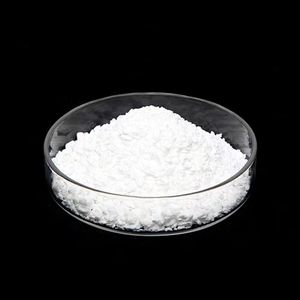
Air entraining concrete is yet another vital category. Air entraining admixture introduces microscopic air bubbles that improve freeze-thaw resistance—a must in northern climates. These air entraining agents don’t just add air; they stabilize it, ensuring uniform bubble distribution for maximum durability.
5. Fiber Reinforcement and Other Emerging Trends
While not traditional chemical admixtures, fibers are increasingly blended into concrete as reinforcement fiber for concrete. Polypropylene fibres for concrete mitigate plastic shrinkage cracking, while steel fibers for concrete enhance post-crack toughness. Carbon fiber reinforced concrete is still niche but gaining traction in seismic zones and ultra-thin architectural panels.
Fiber-reinforced concrete mixes are now standard in industrial floors, shotcrete, and even home siding—think Hardie concrete siding or CertainTeed concrete siding that mimics wood grain. Though concrete fiber siding cost is higher than vinyl, its longevity and fire resistance justify the investment for many builders.
6. Choosing the Right Admixture: Practical Considerations
Selecting the best admixture for concrete depends on your project’s specific needs. Are you prioritizing early strength? Look at accelerating admixtures for concrete. Need extended pour time? A surface retarder concrete or admixture retarder may help. For decorative stamped concrete, release agents and color powders work alongside plasticizer admixture to ensure clean impressions and vibrant hues.
Brands like Chryso admixture offer tailored solutions, but generic PCE superplasticizers are widely available at retailers like Home Depot. Always check compatibility—some superplasticizer in concrete formulations clash with certain cements or mineral admixtures like silica fume.
7. Conclusion
The world of concrete admixtures is no longer just about making concrete easier to pour—it’s about engineering smarter, greener, and more resilient structures. From polycarboxylate superplasticizer innovations to advanced waterproofing admixture systems and fiber reinforcement, today’s concrete chemicals empower builders to push boundaries safely and sustainably. As the industry moves toward net-zero goals, expect PCE-based and bio-derived admixtures to lead the charge.
Our Website founded on October 17, 2012, is a high-tech enterprise committed to the research and development, production, processing, sales and technical services of ceramic relative materials such as Superplasticizers. Our products includes but not limited to Boron Carbide Ceramic Products, Boron Nitride Ceramic Products, Silicon Carbide Ceramic Products, Silicon Nitride Ceramic Products, Zirconium Dioxide Ceramic Products, etc. If you are interested, please feel free to contact us.