Concrete4U | Concrete Admixtures, Tools, and Production Machines

Superplasticizers vs. Traditional Water Reducers: A Deep Dive into Modern Concrete Admixtures
1. Introduction
Concrete admixtures have revolutionized modern construction by enhancing workability, durability, and strength without compromising the integrity of the final structure. Among the most critical categories are water reducing admixtures, particularly superplasticizers, which dramatically improve flowability while reducing water content. With numerous options available—including naphthalene-based water reducers, melamine sulfonates, and polycarboxylate ether (PCE) superplasticizers—selecting the right admixture demands a nuanced understanding of chemistry, performance, and application context.
2. Understanding Water Reducing Admixtures
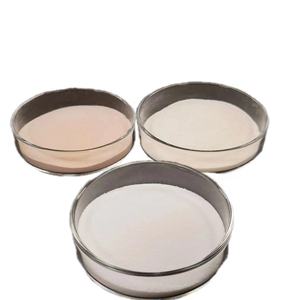
Water reducing admixtures, often referred to as plasticizers for concrete or concrete plasticisers, are chemical admixtures for concrete designed to decrease the water-cement ratio while maintaining workability. This category includes mid-range water reducers and high-range water reducers (HRWRs), the latter commonly known as superplasticizers. These concrete chemicals enable the production of high-strength, self-consolidating, and durable concrete mixes essential for modern infrastructure.
- Mid-range water reducers typically achieve 5–10% water reduction.
- High-range water reducers (superplasticizers) can reduce water content by 15–40%.
3. Naphthalene-Based Superplasticizers: Legacy Performance
Naphthalene sulfonate formaldehyde condensate (NSF or SNF) superplasticizers have been widely used since the 1960s. As one of the earliest high-range water reducers, they offer reliable performance in standard applications. These admixtures disperse cement particles through electrostatic repulsion, improving flow without excessive water.
Advantages include cost-effectiveness, compatibility with most cements, and proven track records in precast and ready-mix concrete. However, they exhibit rapid slump loss, limited compatibility with supplementary cementitious materials, and contain formaldehyde—a concern for environmental and health regulations. Additionally, naphthalene-based superplasticizers are less effective in producing ultra-high-performance concrete compared to newer alternatives.
4. Polycarboxylate Ether (PCE) Superplasticizers: The Modern Standard
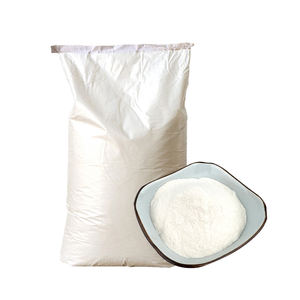
Polycarboxylate ether (PCE) superplasticizers represent the current gold standard in concrete admixture technology. Unlike naphthalene-based systems, PCEs work via steric hindrance, providing superior dispersion and sustained workability over time. This makes them ideal for applications requiring extended placement windows or high-flow mixes like self-consolidating concrete (SCC).
PCE-based superplasticizers offer several advantages: higher water reduction (up to 40%), excellent slump retention, low dosage requirements, and greater compatibility with mineral admixtures like fly ash and slag. They are also formaldehyde-free, aligning with green building standards. However, they can be sensitive to cement chemistry and may require tailored formulations—making brand selection (e.g., Chryso admixture lines) critical.
5. Comparing Key Performance Metrics
When evaluating superplasticizer in concrete performance, key metrics include water reduction efficiency, slump retention, setting time impact, and compatibility with other concrete additives.
- Water reduction: PCE > Naphthalene
- Slump retention: PCE significantly outperforms naphthalene
- Dosage efficiency: PCE requires 30–50% less dosage by weight
- Environmental profile: PCE is cleaner and more sustainable
For projects demanding fast curing concrete additives or precise control over concrete accelerator curing time, PCE systems offer greater flexibility when combined with accelerating admixtures for concrete.
6. Beyond Superplasticizers: Other Essential Admixture Types
While superplasticizers dominate discussions on workability, other admixture types play vital roles. Concrete retarder admixtures delay setting in hot weather, while surface retarder concrete products enable decorative exposed-aggregate finishes. Air entraining admixtures introduce microscopic air bubbles to improve freeze-thaw resistance—critical in cold climates. These air entraining agents are distinct from foaming agents used in lightweight cellular concrete.
Waterproofing is another major concern. Integral waterproofer systems, including crystalline waterproofing admixture and cement waterproofing additive formulations, provide long-term protection by blocking capillary pores. Unlike surface-applied membranes, admixture waterproofing becomes part of the concrete matrix itself.
7. Fiber Reinforcement and Specialty Additives
Fiber reinforced concrete has gained traction for crack control and impact resistance. Options range from polypropylene fibres for concrete to steel fibers for concrete and even experimental coconut fiber reinforced concrete. Fibers for concrete enhance toughness without traditional rebar, making them ideal for slabs, pavements, and architectural panels like fibercement siding.
Note that concrete fiber siding—often marketed as fiber concrete or concrete siding that looks like wood—is a finished product, not a mix additive. However, the underlying mix often includes reinforcement fiber for concrete to improve durability and reduce maintenance.
8. Selecting the Best Admixture for Concrete
Choosing the best admixture for concrete depends on project requirements: climate, structural demands, aesthetic goals, and sustainability targets. For high-flow, high-strength applications, PCE superplasticizer admixture is unmatched. In cost-sensitive, non-critical pours, naphthalene-based water reducer may suffice. For freeze-thaw resistance, air entraining concrete admixtures are essential. And for basements or water tanks, a crystalline waterproofing admixture offers permanent protection.
Always consult technical data sheets and consider compatibility testing, especially when combining multiple concrete chemicals such as superplasticizer, concrete accelerator, and concrete retarder in one mix.
9. Conclusion
The evolution from traditional naphthalene-based water reducers to advanced polycarboxylate ether superplasticizers marks a significant leap in concrete technology. While both serve as effective water reducing admixtures, PCEs offer superior performance, sustainability, and versatility. Understanding the full spectrum of admixture types—from air entraining agents to integral waterproofers and fiber additives—empowers engineers and contractors to optimize concrete performance for any application. As the industry moves toward greener, smarter construction, selecting the right admixture used in concrete will remain a cornerstone of quality and innovation.
Our Website founded on October 17, 2012, is a high-tech enterprise committed to the research and development, production, processing, sales and technical services of ceramic relative materials such as Superplasticizers. Our products includes but not limited to Boron Carbide Ceramic Products, Boron Nitride Ceramic Products, Silicon Carbide Ceramic Products, Silicon Nitride Ceramic Products, Zirconium Dioxide Ceramic Products, etc. If you are interested, please feel free to contact us.