Concrete-mesa | Concrete Admixtures, Tools, and Production Machines

How Advanced Admixtures Are Revolutionizing Fiber-Reinforced Concrete for Modern Siding
1. Introduction
Just 24 hours ago, leading building materials manufacturer James Hardie announced a major expansion of its fiber cement siding production lines in North America, citing surging demand for low-maintenance, fire-resistant home exteriors that mimic natural wood. This move underscores a growing trend: modern concrete siding isn’t just functional—it’s engineered with precision using advanced concrete chemicals and admixtures to meet architectural and environmental demands.
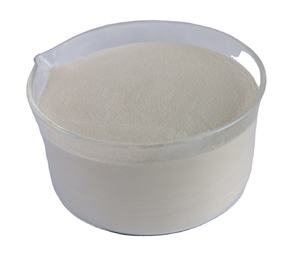
At the heart of this innovation? A strategic blend of admixtures tailored for fiber-reinforced concrete systems. From superplasticizers that boost flow without extra water to crystalline waterproofing admixtures that lock out moisture, these concrete additives are transforming how siding is made—and how long it lasts.
2. Why Admixtures Matter in Fibercement Siding
Fibercement siding—often called concrete fiber siding or concrete cement siding—is a composite of Portland cement, sand, water, and cellulose or synthetic fibers. Unlike traditional concrete, it must be thin, lightweight, and smooth enough to replicate wood grain while resisting cracking, warping, and water damage.
That’s where admixture used in concrete becomes critical. Without the right concrete admixture types, achieving both workability and durability in such a lean mix would be nearly impossible.
- Superplasticizers improve flow for intricate mold details
- Air entraining admixtures enhance freeze-thaw resistance
- Waterproofing admixtures prevent long-term moisture ingress
- Accelerators reduce curing time for faster production cycles
3. Superplasticizers: The Workability Game-Changer
The best admixture for concrete in siding applications is often a polycarboxylate ether (PCE)-based superplasticizer. These super plasticizers act as high-range water reducers, allowing manufacturers to cut water content by up to 40% while maintaining excellent fluidity.
This is crucial when producing detailed patterns like those found in Hardie or CertainTeed concrete siding that looks like wood. Less water means fewer capillaries, lower shrinkage, and higher early strength—key for fast curing concrete additives in high-volume plants.
Superplasticizer in concrete also enables uniform dispersion of fibers—whether polypropylene fibres for concrete or steel fibers for concrete—preventing clumping and ensuring consistent reinforcement throughout the panel.
4. Waterproofing and Durability Through Smart Chemistry
One of the biggest challenges with exterior cladding is long-term exposure to rain, humidity, and temperature swings. Here, integral waterproofer and crystalline waterproofing admixture technologies shine.
Unlike surface sealers, a concrete waterproofing additive like a cement waterproofing additive works from within. Crystalline admixtures react with moisture and unhydrated cement particles to form insoluble crystals that block pores permanently—making the entire panel inherently waterproof.
This approach eliminates the need for painting or resealing, a major selling point for homeowners comparing concrete siding cost versus wood or vinyl alternatives.
5. Fiber Reinforcement + Admixtures = Superior Performance
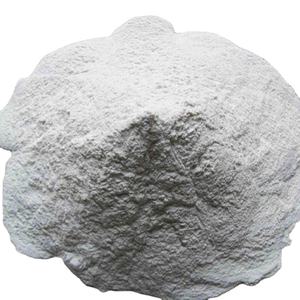
Modern concrete fiber reinforcement doesn’t rely on just one type of fiber. Many manufacturers blend macro fibers (like polypropylene) with microfibers to control both large cracks and micro-shrinkage.
But fibers alone aren’t enough. They require compatible admixture chemical support:
- Plasticizer for concrete ensures even fiber distribution
- Concrete retarder or surface retarder concrete helps manage setting during complex molding
- Air entraining agent introduces microscopic air bubbles to cushion against ice expansion
Coconut fiber reinforced concrete is even emerging as a sustainable option, though it still depends on robust admixture systems to offset organic variability.
6. Speed, Finish, and Aesthetics: The Full Package
Beyond structure, appearance matters. Colored concrete and stamped concrete colors are increasingly common in premium siding lines. To achieve rich, consistent hues—like charcoal concrete color or terra cotta concrete color—manufacturers use tinted mixes combined with release agents that won’t stain or discolor.
Meanwhile, accelerating admixtures for concrete shorten demolding time, while water reducing admixtures maintain finish quality by minimizing bleed water that could blur fine textures.
The result? A modern concrete siding product that’s not only tough but visually indistinguishable from real wood—without the upkeep.
7. Conclusion
From superplasticizer admixture to air entraining concrete solutions, today’s concrete additives are enabling a new generation of high-performance fibercement siding. As climate resilience and low maintenance become top priorities for builders and homeowners alike, the smart use of admixture types—from mineral admixture to fast curing concrete additives—will continue to drive innovation in this niche yet rapidly growing segment of the construction industry.
Our Website founded on October 17, 2012, is a high-tech enterprise committed to the research and development, production, processing, sales and technical services of ceramic relative materials such as How. Our products includes but not limited to Boron Carbide Ceramic Products, Boron Nitride Ceramic Products, Silicon Carbide Ceramic Products, Silicon Nitride Ceramic Products, Zirconium Dioxide Ceramic Products, etc. If you are interested, please feel free to contact us.