Concrete-mesa | Concrete Admixtures, Tools, and Production Machines

10 Essential Types of Admixtures Every Concrete Pro Should Know in 2024
1. Introduction
Just 24 hours ago, a major breakthrough in sustainable construction was announced: researchers at MIT unveiled a new polycarboxylate ether (PCE)-based superplasticizer that reduces cement use by up to 30% while maintaining strength—cutting CO₂ emissions significantly. This innovation highlights how vital admixtures are in modern concrete technology.
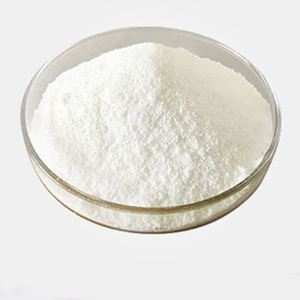
Whether you’re pouring a driveway, building high-rises, or crafting decorative stamped concrete, admixtures play a silent but critical role. These concrete chemicals fine-tune performance, durability, and workability. Let’s break down the 10 essential admixture types you need to know in 2024.
2. What Are Admixtures?
Admixtures—sometimes spelled ‘ad mixtures’—are ingredients added to concrete before or during mixing to modify its properties. They’re not part of the basic mix (cement, water, aggregates) but are crucial for optimizing performance under specific conditions.
Used correctly, admixtures can speed up curing, delay setting in hot weather, add air bubbles for freeze-thaw resistance, or even make concrete waterproof. The best admixture for concrete depends entirely on your project’s needs.
3. Superplasticizers: The Game-Changer
Superplasticizers (also called high-range water reducers) are among the most widely used concrete admixtures today. They dramatically increase workability without adding extra water—which would weaken the mix.
Modern superplasticizer in concrete is often based on polycarboxylate ether (PCE), offering superior slump retention and compatibility with various cements. Brands like Chryso admixture lead the market with PCE-based formulations.
- Polycarboxylate superplasticizer reduces water content by 25–40%
- Naphthalene and melamine-based superplasticizers are older but still used
- Ideal for self-consolidating concrete and high-strength applications
4. Water Reducing Admixtures
Not all projects need the extreme fluidity of superplasticizers. That’s where mid-range water reducers come in. These concrete water reducers improve workability while cutting water content by 5–15%.
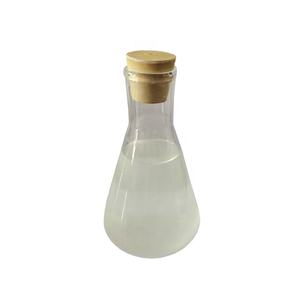
They’re cost-effective and commonly used in precast elements, slabs, and general-purpose pours. Think of them as the everyday plasticizer for concrete—less powerful than superplasticizers but highly versatile.
5. Accelerators and Retarders: Controlling Time
Concrete accelerator admixtures shorten setting time—perfect for cold-weather pours or fast-track projects. Calcium chloride is common, though non-chloride options protect rebar from corrosion.
On the flip side, concrete retarder admixtures delay hydration. Surface retarder concrete is especially useful for exposed-aggregate finishes. In summer heat, an admixture retarder keeps your mix workable longer.
6. Air Entraining Admixtures
Air entraining concrete contains microscopic air bubbles that act as pressure relief valves during freeze-thaw cycles. This is achieved using an air entraining agent—a type of chemical admixture for concrete.
These bubbles don’t compromise strength but greatly boost durability in cold climates. Look for terms like air entraining admixture or air entraining cement when sourcing materials.
7. Waterproofing Admixtures
Want long-lasting, leak-free structures? Waterproofing admixture for concrete is key. Options include integral waterproofer, crystalline waterproofing admixture, and cement waterproofing additive.
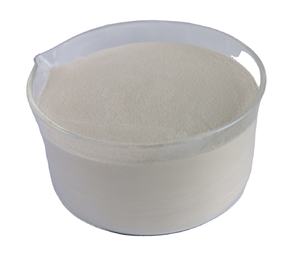
Unlike surface coatings, these admixture waterproofing solutions work from within. A concrete waterproof admix reacts with moisture to form insoluble crystals that block capillaries—ideal for basements, tanks, and foundations.
8. Fiber Reinforcement: Beyond Steel
Fiber reinforced concrete is revolutionizing structural design. Instead of—or alongside—rebar, builders now use fibers for concrete: polypropylene fibres for crack control, steel fibers for impact resistance, or even coconut fiber reinforced concrete for eco-friendly builds.
Macro fibers, microfibers, and carbon fiber reinforcement in concrete enhance toughness, reduce shrinkage cracks, and improve post-crack behavior. Fibermesh concrete and pp fiber concrete are popular choices for driveways and industrial floors.
9. Foaming Agents for Lightweight Concrete
Foam agent for lightweight concrete creates cellular or foamcrete—used in CLC blocks, insulation panels, and void filling. Protein-based foaming agents offer stability, while synthetic types are cheaper.
With rising demand for energy-efficient buildings, CLC foaming agent and aircrete foaming agent are gaining traction. Always check foaming agent used in foam concrete for compatibility with your mix design.
10. Specialty Additives: Color, Release, and More
Beyond performance, admixtures also enable aesthetics. Colored concrete uses tinted powders or stains, while stamped concrete colors and patterns rely on release agents—like powder release agent or water-based release spray—to prevent sticking and add accent hues.
White cement is another specialty product, prized for countertops, tiles, and decorative finishes. When paired with superplasticizer, it yields smooth, bright white concrete mixes without compromising flow.
11. Conclusion
From superplasticizer admixture to fiberfor concrete mix and crystalline waterproofing, today’s concrete additives do far more than just ‘improve’ concrete—they redefine what’s possible. Whether you’re choosing a concrete accelerator for faster curing or exploring coconut fibre concrete for sustainability, understanding admixture types ensures smarter, stronger builds.
As innovations like MIT’s low-carbon PCE superplasticizer hit the market, staying informed on chemical admixture for concrete isn’t just helpful—it’s essential.
Our Website founded on October 17, 2012, is a high-tech enterprise committed to the research and development, production, processing, sales and technical services of ceramic relative materials such as 10. Our products includes but not limited to Boron Carbide Ceramic Products, Boron Nitride Ceramic Products, Silicon Carbide Ceramic Products, Silicon Nitride Ceramic Products, Zirconium Dioxide Ceramic Products, etc. If you are interested, please feel free to contact us.