Concrete4U | Concrete Admixtures, Tools, and Production Machines

What Are Admixtures and Why Are They Essential in Modern Concrete Construction?
1. Introduction
In a major development just 24 hours ago, global construction giant LafargeHolcim announced a strategic partnership with Chryso to integrate next-generation superplasticizer admixtures into its low-carbon concrete mixes across North America. This move underscores the growing reliance on advanced concrete chemicals to meet sustainability goals without compromising strength or workability—a perfect entry point to explore what admixtures really are and why they matter.
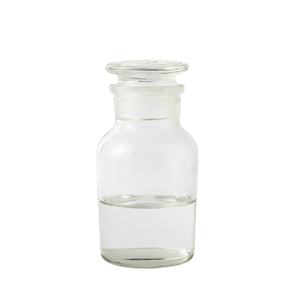
Admixtures—often called ‘concrete additives’—are materials added to concrete, mortar, or grout during mixing to modify its properties. Whether you’re pouring a driveway, building a skyscraper, or installing modern concrete siding, admixtures play a silent but critical role in ensuring performance, longevity, and efficiency.
2. What Are Admixtures?
Admixtures are categorized into two main groups: chemical and mineral. Chemical admixtures include liquids or powders like superplasticizers, accelerators, and retarders. Mineral admixtures—such as fly ash or silica fume—are finely ground materials that improve long-term strength and durability. Together, they form the backbone of high-performance concrete systems used worldwide.
The term ‘ad mixtures’ (sometimes misspelled) actually refers to these purpose-formulated concrete chemicals designed to solve specific challenges—from slow curing in cold weather to cracking under stress.
3. Common Types of Concrete Admixture
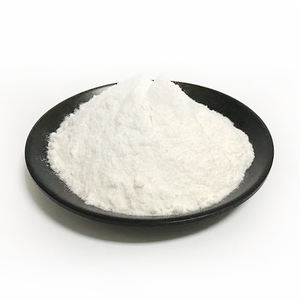
Understanding admixture types helps contractors and DIYers choose the best admixture for concrete in any scenario. Here’s a breakdown of the most widely used categories:
- Water reducing admixtures (also called concrete water reducers): These lower the water content needed for a given slump, boosting strength without sacrificing workability. High-range versions are known as superplasticizers.
- Superplasticizer admixture: Made from polycarboxylate ether (PCE) or naphthalene sulfonate, superplasticizers dramatically increase flowability. Products like Chryso admixture or PCE-based superplasticizers are now standard in self-consolidating concrete.
- Concrete accelerator: Speeds up setting and early-strength gain—ideal for fast curing concrete additives in cold climates or tight schedules.
- Concrete retarder: Delays setting time, useful in hot weather or for complex pours. A surface retarder concrete may also be used to expose aggregate finishes.
- Air entraining admixture: Introduces microscopic air bubbles to improve freeze-thaw resistance. Also called air entraining agent or air entraining concrete additive.
- Waterproofing admixture: Includes integral waterproofer, crystalline waterproofing admixture, and cement waterproofing additive to block moisture penetration.
4. Specialty Admixtures for Enhanced Performance
Beyond basics, modern projects demand specialized solutions. Fiber reinforcement is a prime example. Fibers for concrete—like polypropylene fibres for concrete, steel fibers for concrete, or even coconut fiber reinforced concrete—add tensile strength and reduce cracking. This is crucial in fiber reinforced concrete used for everything from pavements to concrete fiber siding.
Speaking of siding, products like Hardie concrete siding or CertainTeed concrete siding often incorporate fiberfor concrete mixes to mimic wood grain while offering superior durability. Home Depot concrete siding options increasingly feature fiber-reinforced formulations, driving down concrete siding cost over time.
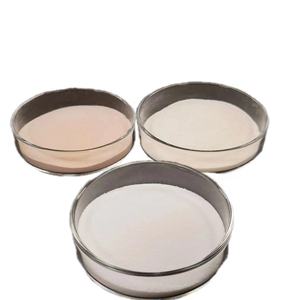
Another niche category is foaming agents. A concrete foaming agent creates lightweight cellular concrete (or ‘aircrete’) by generating stable foam. CLC foaming agent, protein based foaming agent, or synthetic foaming agent for concrete are selected based on density and insulation needs.
5. Color, Finish, and Release Agents
Aesthetic demands have expanded the role of admixtures beyond structure. Colored concrete now uses tinted concrete powders or concrete stain powder to achieve shades from charcoal stamped concrete to terra cotta concrete color. Stamped concrete colors and patterns rely on release agents—like concrete mold release oil or water based release agent—to prevent sticking and add secondary hues.
Popular choices include powder release agent for concrete or spray release agents such as Brickform liquid release. These not only protect molds but also contribute to the final look of colored and stamped concrete.
6. Choosing the Right Admixture
Selecting the best admixture for concrete depends on climate, application, and desired outcome. For high-strength, low-permeability structures, a combination of superplasticizer in concrete and crystalline waterproofing admixture works well. In residential builds using concrete siding that looks like wood, fiber reinforcement and integral waterproof admix ensure decades of performance.
Always check compatibility—especially when blending multiple concrete chemicals. Many manufacturers provide bio data sheets detailing interactions and dosage rates.
7. Conclusion
From superplasticizer admixtures that enable ultra-high-performance concrete to air entraining agents that protect bridges in snowy regions, admixtures are indispensable in modern construction. As innovations like PCE superplasticizers and carbon fiber reinforcement in concrete evolve, the future of building becomes stronger, greener, and more versatile—all thanks to these unsung heroes mixed right into the batch.
Our Website founded on October 17, 2012, is a high-tech enterprise committed to the research and development, production, processing, sales and technical services of ceramic relative materials such as What. Our products includes but not limited to Boron Carbide Ceramic Products, Boron Nitride Ceramic Products, Silicon Carbide Ceramic Products, Silicon Nitride Ceramic Products, Zirconium Dioxide Ceramic Products, etc. If you are interested, please feel free to contact us.