Concrete-mesa | Concrete Admixtures, Tools, and Production Machines

10 Essential Steps to Choose and Use the Best Concrete Admixtures for Your Project
1. Introduction
Just 24 hours ago, a major construction materials supplier announced a nationwide shortage of polycarboxylate ether (PCE)-based superplasticizers due to surging demand in green infrastructure projects. This highlights how critical—and sometimes scarce—modern concrete admixtures have become. Whether you’re pouring a backyard patio or building a commercial foundation, understanding admixtures can save time, money, and headaches.
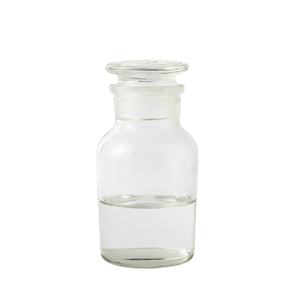
Admixtures are chemical or mineral additives mixed into concrete to enhance its properties. From improving flow to speeding up curing or adding waterproofing, the right admixture used in concrete makes all the difference. In this step-by-step guide, we’ll show you how to choose and apply the best admixture for concrete based on your specific needs.
2. Identify Your Concrete Challenge
Before buying any concrete chemicals, ask: What problem am I solving?
- Is your mix too stiff? You may need a plasticizer for concrete or superplasticizer.
- Is cold weather slowing curing? Try a concrete accelerator.
- Worried about freeze-thaw damage? An air entraining admixture could help.
- Need waterproofing? Look into crystalline waterproofing admixture or integral waterproofer.
Matching the issue to the right admixture type prevents wasted effort and material.
3. Understand Common Admixture Types
3.1 Water-Reducing Admixtures
Water reducing admixtures, including mid-range and high-range types like superplasticizers, cut water content while maintaining workability. Superplasticizer in concrete (often PCE-based) is ideal for high-strength or self-consolidating mixes. It’s also known as a concrete water reducer or superplasticizer admixture.
3.2 Set-Modifying Admixtures
Concrete retarder admixtures delay setting—useful in hot weather or for long hauls. Conversely, accelerating admixtures for concrete shorten curing time, crucial for fast-track jobs. A concrete accelerator curing time reduction of 30–50% is common.
3.3 Air-Entraining Admixtures
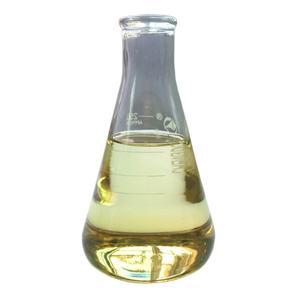
Air entraining concrete contains microscopic air bubbles that improve freeze-thaw resistance. An air entraining agent (or air entraining cement additive) is essential in cold climates. Don’t confuse this with foaming agents used in lightweight foam concrete.
3.4 Waterproofing and Integral Additives
For basements or wet areas, consider a concrete waterproofing additive like a crystalline waterproofing admixture or cement waterproofing additive. These create internal barriers rather than surface coatings.
3.5 Fiber Reinforcement
Fibers for concrete—like polypropylene fibres for concrete, steel fibers for concrete, or even coconut fiber reinforced concrete—reduce cracking and boost toughness. Fiber reinforced concrete is now standard in driveways, slabs, and siding. Note: concrete fiber siding (e.g., Hardie or CertainTeed products) uses these same principles but is pre-manufactured.
4. Select the Right Product
Not all admixtures are equal. For example, the best superplasticizer for concrete today is typically a polycarboxylate ether (PCE) type due to its efficiency and low dosage. Avoid outdated naphthalene or melamine-based versions unless cost is critical.
Check labels for terms like ‘superplasticizer admixture for concrete,’ ‘concrete retarder,’ or ‘waterproof admix.’ Reputable brands like Chryso offer certified formulations with clear bio data sheets.
5. Calculate Dosage Accurately
Overdosing can cause segregation or delayed setting; underdosing yields no benefit. Most superplasticizers require just 0.5–2% by cement weight. Always follow manufacturer instructions—especially for PCE superplasticizer or concrete accelerator.
6. Mix Properly
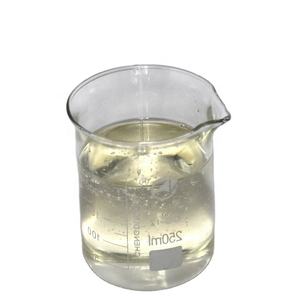
Add admixtures during batching—not after. For liquid types (e.g., super plasticizers), add with mixing water. Powder forms (like colored concrete powder or release agents) should be pre-blended with dry ingredients.
Never add extra water to compensate for stiffness—that defeats the purpose of using a water reducer.
7. Test Before Full-Scale Use
Make a small trial batch. Check workability, set time, and finishability. If using a surface retarder concrete for exposed aggregate, test timing carefully.
8. Combine Admixtures Wisely
Some admixtures interact poorly. For instance, certain air entraining agents reduce the effectiveness of superplasticizers. Consult compatibility charts or run tests before combining chemical admixture for concrete types.
9. Store and Handle Safely
Keep concrete additives in sealed containers away from moisture and heat. Many admixture chemicals degrade if frozen or exposed to sunlight.
10. Know When Not to Use Admixtures
For simple footings or non-critical fills, plain concrete may suffice. Admixtures add cost—only use them when performance gains justify the expense. That said, for modern builds (like homes with concrete siding that looks like wood), fiber reinforcement and waterproofing admixtures are often non-negotiable.
Conclusion
Choosing and using the right admixtures transforms ordinary concrete into a high-performance material. Whether you need a fast curing concrete additive, a reliable plasticizer admixture, or a durable waterproofing admixture for concrete, this guide gives you the practical steps to get it right. Stay informed, test thoroughly, and always match the admixture to your project’s real-world demands.
Our Website founded on October 17, 2012, is a high-tech enterprise committed to the research and development, production, processing, sales and technical services of ceramic relative materials such as 10. Our products includes but not limited to Boron Carbide Ceramic Products, Boron Nitride Ceramic Products, Silicon Carbide Ceramic Products, Silicon Nitride Ceramic Products, Zirconium Dioxide Ceramic Products, etc. If you are interested, please feel free to contact us.